x

Rankiniu būdu tapytas aliejus ant droblio jūsų pageidaujamame dydį ir rėmuose – mūsų menininkų darbas pagal užsakymą. ( Pirkti spaudinį Pirkti vaizdą)





























Pasirinkite iš mūsų nustatytų dydžių, atitinkančių originalaus meno kūrinio proporcijas.

Galite įvesti savo matmenis, kad jie atitiktų konkretų rėmą ar erdvę. Jei pasirinktas dydis neatitinka originalaus paveikslėlio proporcijų, mes arba apkropsime meno kūrinį, arba papildysime tapybą rankomis dažytい elementais. Prieš pradėdami gamybą, jūsų patvirtinimui atsiųsime skaitmeninį maketą.
Atkreipkite dėmesį, kad ekrane rodomas vaizdas neatspindi tikrojo apkarpymo ar papildymo. Tik maketas tiksliai parodys galutinę kompoziciją.
Nors galima rinktis ir individualius dydžius, rekomenduojame pasirinkti matmenis iš nustatytos sąrašo, kad būtų išlaikytos originalios proporcijos.
Pristatymas visame pasaulyje () per 3–4 savaites, o ne įprastai – per 5 savaites. (17 rugpjūtis). Kokybė lieka nepakeičiama.


untitled (2775)
Reprodukcijos matmenys
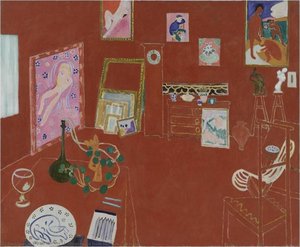
Henri Matisse, a name synonymous with audacious color and lyrical simplification, stands as one of the most influential artists of the 20th century. His oeuvre transcends mere representation; it embodies an emotional response to the world around him—a conviction that art should communicate feeling directly, bypassing intellectual mediation. “Untitled (2775),” created sometime between 1946 and 1948 during Matisse’s prolific final years in Antibes, exemplifies this philosophy perfectly. This striking composition depicts a woman devoid of head and torso, yet imbued with an undeniable presence—a testament to Matisse's masterful manipulation of form and hue.
Matisse’s artistic journey began unexpectedly after a serious illness sidelined him from his legal studies. Recognizing the transformative power of painting during convalescence, he embraced color with fervor—a decision that would propel him to the forefront of the Fauvist movement. This revolutionary style, spearheaded by Matisse alongside André Derain and Maurice de Moulinet, rejected academic conventions in favor of unrestrained chromatic intensity. Artists like Matisse sought to capture the essence of a subject not through meticulous detail but through vibrant splashes of pigment—a bold departure from Impressionism’s subtle gradations.
“Untitled (2775)” showcases Matisse's signature technique: geometric forms rendered in luminous color. The woman’s body is divided into two distinct planes – a rich orange hue dominating the upper half, contrasted by a serene blue on the lower portion. These shapes aren’t merely decorative; they contribute to an overall sense of balance and rhythm. Furthermore, Matisse skillfully employs flowing lines—particularly evident in the woman's hair—to convey movement and vitality. The inclusion of two birds perched atop vases adds visual interest and subtly reinforces themes of freedom and contemplation.
While seemingly abstract, “Untitled (2775)” resonates with deeper symbolic meanings. Matisse’s deliberate omission of facial features invites viewers to focus on the woman's posture and gesture—a gesture that embodies grace and serenity. The color palette itself is laden with significance; orange symbolizes warmth, energy, and optimism, while blue evokes tranquility, spirituality, and introspection. These hues intertwine harmoniously, mirroring Matisse’s belief in art as a conduit for emotional expression.
"Untitled (2775)" solidified Matisse's position as a titan of modern art and profoundly impacted subsequent generations of artists. His unwavering commitment to color—a principle he championed throughout his career—continues to inspire painters today. Reproductions of this iconic artwork offer collectors and interior designers alike the opportunity to experience Matisse’s visionary aesthetic firsthand, bringing a touch of timeless beauty and emotional depth into any space.


1869 - 1954 , Prancūzija

Explore the vibrant revolution of Fauvism. Discover how masters like Henri Matisse liberated color from reality to express pure emotion. A deep dive into art history for students and collectors seeking to understand the 'Wild Beasts' of modern art.


Sekite naujausias meno naujienas, išskirtinius pasiūlymus ir dekoravimo idėjas.
Pasakokite mums apie savo projektą, o mūsų meno ekspertai parengs jums 3 asmeniškus meno pasiūlymus.
Leiskite mums parinkti 3 variantus būtent jums – nemokamai!


 Peržiūrėti realybėje
 Pasidalinti
 Dalintis
 Išsamiau

 Atsisiųsti
 Panašūs eksponatai
 Rentgeno nuotrauka
 Automatinė diorama
 Skaityti daugiau







 Stiklo variantas prieinamas tik pasirinkus dydį iki 110 cm