x

Rankiniu būdu tapytas aliejus ant droblio jūsų pageidaujamame dydį ir rėmuose – mūsų menininkų darbas pagal užsakymą. ( Pirkti spaudinį Pirkti vaizdą)





























Pasirinkite iš mūsų nustatytų dydžių, atitinkančių originalaus meno kūrinio proporcijas.

Galite įvesti savo matmenis, kad jie atitiktų konkretų rėmą ar erdvę. Jei pasirinktas dydis neatitinka originalaus paveikslėlio proporcijų, mes arba apkropsime meno kūrinį, arba papildysime tapybą rankomis dažytい elementais. Prieš pradėdami gamybą, jūsų patvirtinimui atsiųsime skaitmeninį maketą.
Atkreipkite dėmesį, kad ekrane rodomas vaizdas neatspindi tikrojo apkarpymo ar papildymo. Tik maketas tiksliai parodys galutinę kompoziciją.
Nors galima rinktis ir individualius dydžius, rekomenduojame pasirinkti matmenis iš nustatytos sąrašo, kad būtų išlaikytos originalios proporcijos.
Pristatymas visame pasaulyje () per 3–4 savaites, o ne įprastai – per 5 savaites. (15 rugpjūtis). Kokybė lieka nepakeičiama.


untitled (9243)
Reprodukcijos matmenys
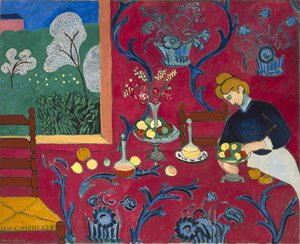
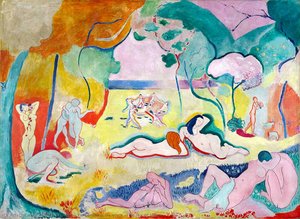
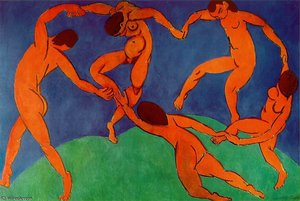
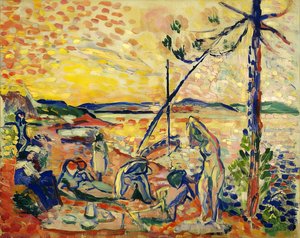
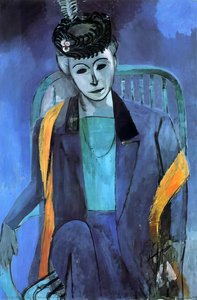
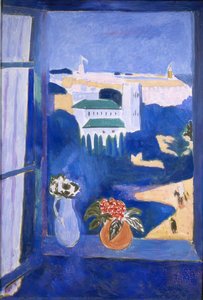
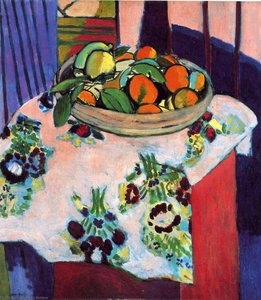
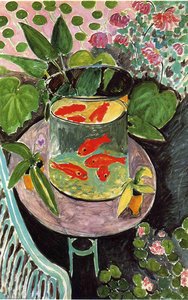
Fauvism emerged in Paris during the early 1900s as a reaction against Impressionism's subtle gradations of light and color. Artists like Matisse, André Derain, Maurice Denis, and Henri Rousseau sought to liberate color from its descriptive function, using it instead as an expressive tool—a conduit for conveying emotion and capturing the essence of their subjects. This audacious stylistic choice challenged artistic conventions and paved the way for subsequent developments in abstraction.
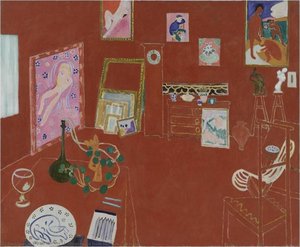
Matisse’s masterful use of color is undeniably the painting's defining characteristic. Dominated by hues of ochre, terracotta, and crimson—particularly vibrant reds—the palette evokes feelings of warmth, passion, and vitality. The tree itself serves as a symbol of resilience and growth, anchoring the composition while simultaneously representing life force amidst urban surroundings. These colors aren’t merely decorative; they are deliberately chosen to stimulate the viewer's senses and communicate an underlying emotional state.
“Untitled (9243)” transcends mere visual representation, inviting contemplation on themes of simplicity, beauty, and human connection. Matisse’s ability to distill complex ideas into a deceptively straightforward composition speaks volumes about his artistic genius. It remains an enduring testament to the transformative power of color—a cornerstone of Fauvist aesthetics—and continues to inspire artists and collectors alike. Its quiet grandeur embodies Matisse's belief that art should be accessible, joyful, and above all, truthful to its inner vision.


1869 - 1954 , Prancūzija

Explore the vibrant revolution of Fauvism. Discover how masters like Henri Matisse liberated color from reality to express pure emotion. An expert guide into the 'Wild Beasts' of modern art history for collectors and enthusiasts.

Explore the vibrant revolution of Fauvism. Discover how masters like Henri Matisse liberated color from reality to express pure emotion. A deep dive into art history for students and collectors seeking to understand the 'Wild Beasts' of modern art.


Sekite naujausias meno naujienas, išskirtinius pasiūlymus ir dekoravimo idėjas.
Pasakokite mums apie savo projektą, o mūsų meno ekspertai parengs jums 3 asmeniškus meno pasiūlymus.
Leiskite mums parinkti 3 variantus būtent jums – nemokamai!


 Peržiūrėti realybėje
 Pasidalinti
 Dalintis
 Išsamiau

 Atsisiųsti
 Panašūs eksponatai
 Rentgeno nuotrauka
 Automatinė diorama
 Skaityti daugiau







 Stiklo variantas prieinamas tik pasirinkus dydį iki 110 cm