Parduokite savo kūrybą
Trokimų sąrašas Prekių krepšelis Cart
x
Peržiūrėti realybėjePeržiūrėti realybėje Peržiūrėti ARPeržiūrėti AR Pirkti spaudinį Pirkti spaudinįPirkti vaizdą Pirkti vaizdą PasidalintiPasidalinti
IšsamiauIšsamiau Pridėti į mėgstamiausius Pridėti į mėgstamiausius AtsisiųstiAtsisiųsti Panašūs eksponataiPanašūs eksponatai Rentgeno nuotraukaRentgeno nuotrauka Automatinė dioramaAutomatinė diorama

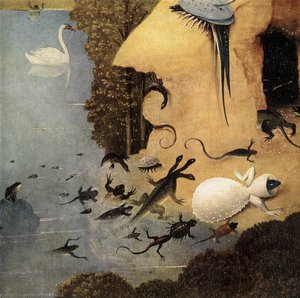
Hermit Saints Triptych (left panel)

A surreal landscape of grotesque creatures and unsettling shadows defines this Northern Renaissance masterpiece by Hieronymus Bosch, inviting you to explore the profound mysteries of his visionary oil on panel painting.

Hieronymus Bosch (c. 1450-1516) buvo žymusis olandų renesanso meistras, garsėjantis psichodelijomis ir simboliais. Jo ikoninės drobės – „Žemės eldais“, paskutinis teisybė Triptychas, Šventosios įkalėjimų aukcionas – išraišką įrodančių meno istoriją kūriniai.

Rankų darbo aliejinės reprodukcijos

Rankiniu būdu tapytas aliejus ant droblio jūsų pageidaujamame dydį ir rėmuose – mūsų menininkų darbas pagal užsakymą. (Pirkti spaudinį Pirkti spaudinįPirkti vaizdą Pirkti vaizdą)

P118B $10
P118H $10
P118W $10
P438Z $10
P508JH $12
P508YH $12
P805H $10
P805Z $10
P919BZ $10
P919G $10
P919XJ $10
P959ZH $10
P968JZ $12
W106C $8
W218G $10
W218JH $8
W218Y $10
W307PJ $10
W316G $10
W316PJ $8
W316Y $10
W398PJ $8
W4111J $10
W500HY $15
W500JH $15
W692G $12
W849H $8
W940BG $15
W953PJ $8

Standard
custom
CM
INCH

Pasirinkite iš mūsų nustatytų dydžių, atitinkančių originalaus meno kūrinio proporcijas.

plotis
aukštis

Galite įvesti savo matmenis, kad jie atitiktų konkretų rėmą ar erdvę. Jei pasirinktas dydis neatitinka originalaus paveikslėlio proporcijų, mes arba apkropsime meno kūrinį, arba papildysime tapybą rankomis dažytい elementais. Prieš pradėdami gamybą, jūsų patvirtinimui atsiųsime skaitmeninį maketą.
Atkreipkite dėmesį, kad ekrane rodomas vaizdas neatspindi tikrojo apkarpymo ar papildymo. Tik maketas tiksliai parodys galutinę kompoziciją.
Nors galima rinktis ir individualius dydžius, rekomenduojame pasirinkti matmenis iš nustatytos sąrašo, kad būtų išlaikytos originalios proporcijos.

Ką galima pakeisti (pavyzdžiai): Pakeisti veidą į kliento nuotrauką; Pridėti augintinį (pvz., pakeisti katę šunimi); Įtraukti paslėptą žinutę fone; Pakeisti fono kraštovaizdį ar elementus.
Gavus užsakymą, Most-Famous-Paintings.com komanda susisieks su klientu el. paštu dėl instrukcijų ir pateiks maketo pavyzdį.

Pristatymas visame pasaulyje () per 3–4 savaites, o ne įprastai – per 5 savaites. (18 rugpjūtis). Kokybė lieka nepakeičiama.

why_choose_icon
Nemokamas greitasis pristatymas visame pasaulyje
why_choose_icon
Aukštos kokybės lininis drobė
why_choose_icon
Pilnas siuntimo draudimas
why_choose_icon
Muitinės mokesčių grąžinimo garantija
why_choose_icon
Tikro spalvų atitikimo garantija
why_choose_icon
60 dienų grąžinimo politika (tik esant gamyklinėms defektams)
why_choose_icon
100% pinigų grąžinimo garantija
why_choose_icon
Nuolaida už kelias reprodukcijas

Visų darbų kaina

$ 297

reproduction

Hermit Saints Triptych (left panel)

Reprodukcijos technika

Reprodukcijos matmenys

-

Galutinė kaina

$ 297

Trumpos informacija

  • Notable elements or techniques: Layering & glazing
  • Medium: Oil paint on wood panel
  • Year: 1505
  • Subject or theme: Religious allegory
  • Influences: Medieval folklore
  • Movement: Northern Renaissance
  • Title: Hermit Saints Triptych (left panel)

Karo viktorina

Kiekviename klausime yra tik vienas teisingas atsakymas.

Klausimas 1:
What is the predominant color palette of ‘Hermit Saints Triptych (left panel)?
Klausimas 2:
Bosch utilized oil paint on what material?
Klausimas 3:
The imagery in ‘Hermit Saints Triptych (left panel)’ reflects themes of:
Klausimas 4:
What technique did Bosch employ to achieve rich colors and subtle tonal variations?
Klausimas 5:
The lighting in the painting contributes to its mood by:

Kūrinio aprašymas

A Descent into Surreal Reflection: Analyzing Bosch’s Hermit Saints Triptych (Left Panel)

Hieronymus Bosch’s “Hermit Saints Triptych,” specifically the left panel depicting a desolate landscape teeming with grotesque figures, stands as an enduring testament to the artist's unparalleled ability to distill anxieties about faith and morality into visual form. Painted around 1505 during the High Renaissance—a period marked by burgeoning artistic innovation alongside deep religious introspection—this artwork transcends mere representation; it plunges viewers into a dreamlike realm populated by unsettling imagery that continues to fascinate scholars and inspire artists alike.

  • Composition & Setting: The panel’s vertical orientation immediately establishes dominance, guiding the eye upwards towards an ambiguous horizon line punctuated by distant buildings and flickering fires. Below lies a chaotic tableau of animalistic creatures—birds with human faces, grotesque hybrids—and decaying bones strewn across a rocky terrain. This deliberate disregard for conventional perspective contributes to the pervasive sense of disorientation.
  • Color Palette & Lighting: Bosch employs a muted palette dominated by browns and blacks, punctuated by splashes of orange and red emanating from the fires. The pale white highlights on the central figure serve as an unsettling beacon against the oppressive darkness, emphasizing isolation and vulnerability. Dramatic chiaroscuro—the interplay between light and shadow—amplifies the emotional impact, creating a palpable atmosphere of dread.
  • Style & Technique: Bosch’s meticulous attention to detail is evident in the intricate lines delineating each creature and element within the scene. His technique – oil paint on wood panel – utilizes layering and glazing techniques to achieve remarkable tonal richness and subtle gradations, capturing the textures of stone and flesh with astonishing accuracy. This painstaking craftsmanship underscores the artist's commitment to conveying psychological depth.
  • Symbolism & Narrative Depth: The imagery is rife with symbolic references rooted in medieval Christian iconography. The hermit figure embodies contemplation and penitence, while the surrounding animals represent temptations and moral failings—a visual embodiment of the struggle between good and evil. Bones serve as a poignant reminder of mortality, prompting reflection on the ephemeral nature of earthly existence.
  • Emotional Resonance: “Hermit Saints Triptych” evokes a profound sense of unease and melancholy. Bosch’s masterful manipulation of color, composition, and lighting compels viewers to confront uncomfortable truths about human desire and spiritual decay. It remains a powerfully evocative artwork—a haunting glimpse into the subconscious anxieties that underpinned the Renaissance era.

Autoriaus biografija

A Netherlandish Enigma: The Life and Art of Hieronymus Bosch

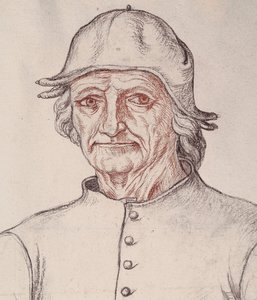
Hieronymus Bosch (c. 1450-1516), Dutch Renaissance master of surrealism & symbolism, remains one of art history’s most perplexing figures—a man whose life is shrouded in obscurity yet whose artistic output continues to resonate powerfully across centuries. Born around 1450 in ’s-Hertogenbosch, Brabant – then a bastion of medieval piety – Bosch emerged from a family steeped in artistic tradition, inheriting the skills and sensibilities of his father and grandfather, Jan van Aken. Biographical details are frustratingly sparse; records offer tantalizing glimpses but ultimately fail to illuminate the contours of his personal existence—a deliberate choice perhaps that contributed to the enduring mystique surrounding him. He married Aleyt Goyaerts van den Meerveen before 1481, securing a degree of financial stability through her family’s holdings, though little else is documented about their marital life.

Fantastical Visions and Symbolic Depths

Bosch’s artistic style defies easy categorization—a breathtaking fusion of meticulous realism and hallucinatory imagination. Primarily working with oil on oak panels, he demonstrated unparalleled mastery of the medium, achieving luminous colors and astonishing textural detail. While his early canvases mirrored prevailing Netherlandish conventions – particularly in their depiction of biblical narratives – Bosch swiftly transcended mere imitation, forging a profoundly original vision rooted in unsettling psychological explorations. His paintings aren’t simply representations of the visible world; they are elaborate allegories populated by grotesque creatures—demons, hybrids, and fantastical beasts—that embody moral failings and spiritual anxieties. These figures aren't merely decorative additions; they serve as conduits for profound theological concepts, conveying fears of sin, temptations, and the inescapable judgment of God. Consider The Garden of Earthly Delights (c. 1490-1510), a monumental triptych that depicts paradise, earthly indulgence, and hell—a complex visual tapestry designed to provoke contemplation on humanity’s relationship with divine grace. The central panel portrays a hedonistic world consumed by sensual desire, while the left panel presents Edenic bliss marred by unsettling distortions – a masterful demonstration of Bosch's ability to juxtapose beauty and terror.

Religious Themes and Moral Allegory

Bosch’s artistic impulse stemmed from deep engagement with medieval religious thought—particularly apocalyptic prophecies that underscored the vulnerability of human existence before divine wrath. He eschewed straightforward depictions of biblical stories, instead utilizing symbolism to grapple with thorny ethical dilemmas and theological conundrums. His creatures – demons, hybrids, and unsettling human figures – aren't merely visual curiosities; they embody vices and temptations, reflecting anxieties prevalent during his time—fears of heresy and social upheaval. The blending of sacred and profane imagery—a hallmark of Bosch’s oeuvre—creates a disconcerting effect that continues to captivate audiences today. Artists like Pieter Bruegel the Elder acknowledged Bosch's influence, adopting similar compositional techniques and thematic concerns. Furthermore, Surrealist painters such as Salvador Dalí drew inspiration from Bosch’s dreamlike landscapes and exploration of the subconscious mind – securing his place as a precursor to modern artistic experimentation.

Major Achievements and Legacy

Bosch’s enduring legacy rests upon a remarkable body of work—characterized by unparalleled psychological depth and stylistic innovation. Among his most celebrated masterpieces are The Last Judgement Triptych (c. 1480-1490), which portrays the harrowing spectacle of divine retribution; and Ascent of the Blessed (c. 1480-1490), depicting ethereal visions of paradise—a testament to Bosch’s ability to evoke profound emotional responses. Even smaller canvases like Epiphany (c. 1495) showcase his masterful command of oil on wood and intricate symbolism, revealing a mind perpetually wrestling with existential questions. Bosch's influence extends far beyond the confines of his own era—inspiring subsequent artists and shaping artistic movements into the 20th century. His unsettling visions continue to provoke debate and inspire creativity, cementing his position as one of art history’s most singular voices – a testament to the enduring power of imagination and symbolic expression.
Jeronim Kasas

Jeronim Kasas

1450 - 1516 , Nyderlandai

Trumpa informacija

  • Artistic Movement Or Style: Surrealizmas, Simbolizmas
  • Artists Or Movements Influenced By This Artist: ['Pieter Bruegel Senelis']
  • Date Of Birth: c. 1450
  • Date Of Death: 1516
  • Full Name: Hieronymus Bosch
  • Nationality: Olandas
  • Notable Artworks:
    • Žemės Šėldžio Sodas
    • Paskutinio Balsimo Triptychas
    • Šventųjų Ascensija
  • Place Of Birth: Den Bosch, Netherlands
Tyrinėkite meno kūrinius, suskirstytus pagal temas, stilius ir savybes.