


x

 Aliejus ant drobėsSieninis menasSurrealist Symbolism
 60.0 x 167.0 cm
Įsigykite aukštos skiriamosios raiškos, patobulintą skaitmeninį vaizdą, gerokai pranašesnį už internetinę peržiūrą.
Kiekvieną failą mūsų specialistai kruopščiai paruošia naudojant pažangias technologijas ir profesionalų rankinį retušavimą. Užtikriname, kad kiekvienas vaizdas pasižymėtų išskirtiniu aiškumu, tikslia spalvų atspalviu ir smulkiomis detalėmis.
Baigiamas failas el. paštu pristatomas per 72 valandas; jis optimizuotas nedelsiant naudojimui profesionalioje, redakcinėje ir spausdinimo aplinkoje. Tai ta pati kokybė, kuria pasitiki aukščiausios klasės dizaino studijos, leidyklos ir galerijos.
Atsisiųskite didelės raiškos failą asmeniniam naudojimui, spausdinimui ir kūrybiniams projektams. ( Pirkti spaudinį Pirkti rankomis tapytą paveikslą)
Pasirinkę Most-Famous-Paintings.com, jūs ne tik gaunate paveikslėlį – jūs gaunate profesionaliai patobudintą skaitmeninį kūrinį, sukurtą itin tikniai ir užtikrinantį pasitenkinimą. Štai viską, kas automatiškai pritékia jūsų užsakymui:

Jūsų aukštos raiškos skaitmeninis vaizdo failas bus išsiųstas jums el. paštu per 72 valaudas nuo užsakymo – paruoštas naudojimui be jokių papildomų veiksmų.

Jūsų meno kūrinys profesionaliai optimizuojamas naudojant pažangius dirbtinio intelekto įrankius ir rankinį redagavimą, užtikrinant maksimalią detalę, aiškumą ir spalvų tikslumą.

Atsitiktinai ištrytikote ar praradote savo failą? Nebijokite – bet kuriuo metu atsiųsime jį jums vėl nemokamai.

Mėgaukitės savo meno kūriniu akimirka – skaitiniai failai visada yra neapmokestinami, todėl nereikės mokėti muitinės, mokesčių ar pristatymo mokesčių.

Naudodami profesionalią įrangą ir spalvų valdymo sistemas, užtikriname, kad jūsų skaitmeninis vaizdas kuo tiksliau atspindėtų originalias spalvas.

Jei nebuvate patenkinti savo skaitinio vaizdo, per 60 dienų jį pertaisysime arba grąkinsime 100% sumą – be jokių klausimų.

Nepat 만족inti? Gaukite visą sumokėtą sumą per 60 dienų nuo skaitmeninio failo gavimo – be jokių papildomų klausimų.

Pirkti 3 nuotraukas – pasiūla 10% - Pirkti 5 – pasiūla 15% - Pirkti 10 ir daugiau – pasiūla 20%. Puikiai tinka kūrybiniams projektams, galerijoms bei agentūroms.
Hieronymus Bosch’s “Last Judgment, Right Wing,” a monumental panel from his triptych of the same name, isn’t merely a depiction of judgment; it’s an immersive descent into the very architecture of sin and punishment. Painted around 1503-1514, this section of the work offers a visceral glimpse into Bosch's profoundly unsettling vision of humanity’s moral state – a world where earthly pleasures morph into instruments of eternal torment. Born in ’s-Hertogenbosch, Netherlands, during a period of intense religious fervor and burgeoning societal anxieties, Bosch developed a unique artistic language that blended meticulous detail with fantastical imagery, creating scenes both terrifyingly real and profoundly symbolic.
The panel immediately assaults the viewer with its oppressive darkness. A chaotic assembly of figures – some writhing in agony, others passively accepting their fate – is crammed into a bizarre landscape dominated by grotesque structures and unsettling details. The sheer density of bodies, coupled with Bosch’s masterful use of perspective, creates an overwhelming sense of claustrophobia and impending doom. This isn't the serene judgment often portrayed in religious art; it’s a brutal confrontation with our own mortality and the consequences of our choices.
Bosch’s work is renowned for its intricate symbolism, and this section offers a starting point for understanding the panel's complex narrative. The central figure, a towering, almost monstrous being resembling a judge or angel, oversees the proceedings. Beneath him lies a swirling vortex of souls – some ascending to paradise, others plummeting into hell. Notice the meticulously rendered details: the decaying fruit representing earthly temptations, the chained figures symbolizing sin, and the bizarre assortment of animals, each carrying its own symbolic weight. The bird on the left, often interpreted as an angel or a messenger, adds another layer of ambiguity to the scene.
The landscape itself is a key element of Bosch’s symbolism. It's a warped reflection of earthly delights – a lavish banquet overflowing with decadent food and drink, juxtaposed against the stark reality of eternal damnation. The presence of a giant, grotesque tree, laden with fruit, speaks to the corruption of innocence and the allure of worldly pleasures. Even seemingly innocuous details, like the numerous skulls scattered throughout the scene, serve as constant reminders of death and decay.
Bosch's technique is characterized by an extraordinary level of detail and a masterful command of oil paint. He employed a layering technique, building up colors and textures to create a remarkably realistic – albeit disturbing – effect. The figures are rendered with meticulous precision, capturing their expressions of anguish, despair, and resignation. His use of perspective is particularly noteworthy; he creates a sense of depth and spatial complexity that draws the viewer into the scene.
The “Last Judgment” panel was likely commissioned for a private collector or religious institution, possibly in Spain or Austria, reflecting Bosch’s extensive travels throughout his career. It's believed to be part of a larger triptych, with the left wing depicting the Garden of Eden and the right wing portraying Paradise. Understanding this broader context is crucial to appreciating the full scope of Bosch’s vision – a complex meditation on sin, redemption, and the human condition.
Despite its unsettling imagery, “Last Judgment, Right Wing” resonates deeply with viewers centuries after its creation. It taps into our primal fears about death, judgment, and the consequences of our actions. Bosch’s work isn't simply a depiction of hell; it’s an exploration of the darkness within ourselves – the temptations that lead us astray, the sins we commit, and the potential for eternal punishment. The panel serves as a powerful reminder of the importance of moral responsibility and the enduring struggle between good and evil.

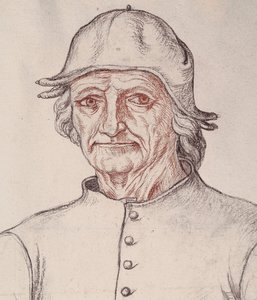
1450 - 1516 , Nyderlandai


Sekite naujausias meno naujienas, išskirtinius pasiūlymus ir dekoravimo idėjas.
Pasakokite mums apie savo projektą, o mūsų meno ekspertai parengs jums 3 asmeniškus meno pasiūlymus.
Leiskite mums parinkti 3 variantus būtent jums – nemokamai!


 Peržiūrėti realybėje
 Pasidalinti
 Dalintis
 Išsamiau

 Atsisiųsti
 Panašūs eksponatai
 Rentgeno nuotrauka
 Automatinė diorama
 Skaityti daugiau


