


x

 InkWallArtNorthern Renaissance
 Renaissance
 277.0 x 211.0 cm
 Graphische Sammlung Albertina
Rankiniu būdu tapytas aliejus ant droblio jūsų pageidaujamame dydį ir rėmuose – mūsų menininkų darbas pagal užsakymą. ( Pirkti spaudinį Pirkti vaizdą)





























Pasirinkite iš mūsų nustatytų dydžių, atitinkančių originalaus meno kūrinio proporcijas.

Galite įvesti savo matmenis, kad jie atitiktų konkretų rėmą ar erdvę. Jei pasirinktas dydis neatitinka originalaus paveikslėlio proporcijų, mes arba apkropsime meno kūrinį, arba papildysime tapybą rankomis dažytい elementais. Prieš pradėdami gamybą, jūsų patvirtinimui atsiųsime skaitmeninį maketą.
Atkreipkite dėmesį, kad ekrane rodomas vaizdas neatspindi tikrojo apkarpymo ar papildymo. Tik maketas tiksliai parodys galutinę kompoziciją.
Nors galima rinktis ir individualius dydžius, rekomenduojame pasirinkti matmenis iš nustatytos sąrašo, kad būtų išlaikytos originalios proporcijos.
Pristatymas visame pasaulyje () per 3–4 savaites, o ne įprastai – per 5 savaites. (21 rugpjūtis). Kokybė lieka nepakeičiama.


Tree-Man
Reprodukcijos matmenys
In the quiet, haunting corridors of art history, few images possess the unsettling magnetism of Hieronymus Bosch’s "Tree-Man." Created around 1505, this monochrome masterpiece serves as a profound window into a psyche that danced on the edge of the medieval and the modern. As a pen drawing of extraordinary technical precision, it does not merely depict a landscape; it invites the viewer into a fever dream where the boundaries between the organic and the grotesque dissolve. The work stands as a singular testament to Bosch’s ability to weave moral allegory with a surrealist sensibility that predates the formal Surrealist movement by centuries. To gaze upon this piece is to encounter a world where every line carries the weight of spiritual consequence, making it an irresistible focal point for those who appreciate art that challenges the soul and stimulates the intellect.
The composition is dominated by the eponymous Tree-Man, an anthropomorphic entity whose hollowed trunk forms a vessel for a strange, miniature civilization. Its roots burrow deep into a rocky, primordial earth, suggesting a primal connection to the very foundations of existence. Surrounding this central figure, the landscape teasingly unfolds with birds circling a turbulent sky and diminutive human figures engaged in activities that oscillate between innocent play and profound corruption. This intricate layering of life creates a sense of overwhelming complexity, where the eye is constantly led from the textured bark of the central figure to the distant, atmospheric hills. For the collector or interior designer, this piece offers a profound depth; its dense, detailed nature allows it to command a room, acting as a conversational anchor that rewards prolonged contemplation.
The technical brilliance of "Tree-Man" lies in Bosch’s masterful command of hatching and cross-hatching. Using only the precision of a pen, the artist builds up tonal values with astonishing subtlety, creating a range of grays that evoke everything from the stark brightness of a cloudy sky to the deepest, most impenetrable shadows within the tree's hollow core. This meticulous technique lends a startling realism to an otherwise fantastical subject. The textures are palpable—one can almost feel the rough, weathered bark and the cold, stony base upon which the figure rests. It is this marriage of technical rigor and imaginative freedom that gives the artwork its enduring power; it feels grounded in reality even as it depicts the impossible.
Beyond its aesthetic splendor, the work is a dense tapestry of symbolic meaning. The Tree-Man itself has been interpreted by scholars as a mirror of humanity’s vulnerability to sin—a grotesque parody of divine creation that reflects the struggle between earthly desires and spiritual salvation. The birds, often seen as symbols of wandering souls, add a layer of existential unease to the scene. This emotional complexity makes the artwork particularly poignant for modern spaces; it brings an element of historical gravity and philosophical depth. Whether rendered as a high-quality reproduction in a private study or as a striking statement piece in a contemporary gallery, "Tree-Man" continues to evoke a sense of wonder and mystery, reminding us of the eternal human fascination with the shadows of the subconscious.

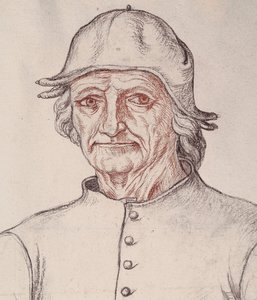
1450 - 1516 , Nyderlandai

Experience the sublime power of Romanticism. From Caspar David Friedrich to J.M.W. Turner, explore 10 iconic landscape masterpieces and their stories. Find museum-quality art reproductions and decor inspiration at Most-Famous-Paintings.com. Discover all masterpieces on Most-Famous-Paintings.com.

Journey through art history's most serene lake landscapes. From Romantic vistas to light-drenched Impressionist waters, discover the stories behind these iconic masterpieces and find museum-quality, hand-painted oil reproductions for your private collection.

Experience the sublime power of Romantic landscape painting. From Friedrich’s misty peaks to Turner’s dramatic skies, explore 10 iconic masterpieces that define an era. Find museum-quality art reproductions and curated decor inspiration at Most-Famous-Paintings.com. Discover all masterpieces on Most-Famous-Paintings.com.

Journey through the evolution of landscape art, from sacred Renaissance vistas to Surrealist dreamscapes. Gain expert historical insights and discover exquisite, hand-painted oil reproductions of the world's most iconic masterpieces at Most-Famous-Paintings.com.


Sekite naujausias meno naujienas, išskirtinius pasiūlymus ir dekoravimo idėjas.
Pasakokite mums apie savo projektą, o mūsų meno ekspertai parengs jums 3 asmeniškus meno pasiūlymus.
Leiskite mums parinkti 3 variantus būtent jums – nemokamai!


 Peržiūrėti realybėje
 Pasidalinti
 Dalintis
 Išsamiau

 Atsisiųsti
 Panašūs eksponatai
 Rentgeno nuotrauka
 Automatinė diorama
 Skaityti daugiau







 Stiklo variantas prieinamas tik pasirinkus dydį iki 110 cm


