x


 Pirkti atspaudą Pirkti skaitmeninį paveikslą
 Pasidalinti
 Išsamiau
 Pridėti į mėgstamiausius
 Atsisiųsti
 Panašūs eksponatai
 Rentgeno nuotrauka
 Automatinė diorama
Rankiniu būdu tapytas aliejus ant droblio jūsų pageidaujamame dydį ir rėmuose – mūsų menininkų darbas pagal užsakymą.





























Pasirinkite iš mūsų nustatytų dydžių, atitinkančių originalaus meno kūrinio proporcijas.

Galite įvesti savo matmenis, kad jie atitiktų konkretų rėmą ar erdvę. Jei pasirinktas dydis neatitinka originalaus paveikslėlio proporcijų, mes arba apkropsime meno kūrinį, arba papildysime tapybą rankomis dažytい elementais. Prieš pradėdami gamybą, jūsų patvirtinimui atsiųsime skaitmeninį maketą.
Atkreipkite dėmesį, kad ekrane rodomas vaizdas neatspindi tikrojo apkarpymo ar papildymo. Tik maketas tiksliai parodys galutinę kompoziciją.
Nors galima rinktis ir individualius dydžius, rekomenduojame pasirinkti matmenis iš nustatytos sąrašo, kad būtų išlaikytos originalios proporcijos.
Pristatymas visame pasaulyje () per 3–4 savaites, o ne įprastai – per 5 savaites. (21 liepa). Kokybė lieka nepakeičiama.


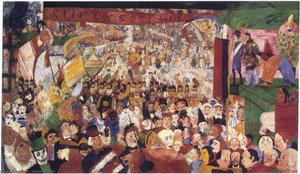
James Ensor Portrait d' Eugene Demolder
Reprodukcijos matmenys
James Ensor’s “Portrait d’Eugene Demolder,” painted circa 1906, stands as a cornerstone of Expressionist art—a haunting meditation on identity, social observation, and the pervasive influence of psychological anxieties. More than just a likeness of a man, it's an embodiment of Ensor’s signature stylistic approach: meticulously crafted detail juxtaposed with deliberately jarring distortions that unsettle the viewer’s gaze.
Symbolism & Emotional Impact: The scarlet robe is arguably the painting’s most potent symbol. Traditionally associated with royalty and religious authority, its presence here feels incongruous—almost grotesque—suggesting a deliberate disruption of established hierarchies and hinting at an underlying sense of unease. Ensor's masterful use of color contributes significantly to this emotional resonance; the crimson hue pulsates with unsettling vibrancy, mirroring the psychological turmoil depicted within.
Furthermore, the inclusion of secondary figures – a man holding a bowl and another reading—adds layers of narrative complexity. They serve as silent witnesses to Demolder’s presence, reinforcing the idea that he is not merely an individual but also part of a larger social tableau. Ensor's gaze directs our attention outwards, prompting contemplation on the role of individuals within society and the inescapable influence of external forces on human experience.
A reproduction of “Portrait d’Eugene Demolder” offers more than just visual beauty; it invites viewers to engage in a dialogue with Ensor’s artistic vision—a vision rooted in psychological depth, social critique, and an unwavering commitment to confronting uncomfortable truths. Most-Famous-Paintings presents exceptional quality reproductions that capture the essence of this iconic masterpiece.


1860 - 1949 , Belgija

Atraskite aliejinės tapybos magiją ir simbolizmo gylį! Ekspertai padės transformuoti Jūsų idėjas į unikalų meno kūrinį. Kokybiškos reprodukcijos, užsakomieji paveikslai bei konsultacijos. Investicijos į meno paveldą.

Explore the captivating world of Fritz von Uhde, a pivotal German painter bridging Realism & Symbolism. Discover his plein-air techniques, religious themes, and influence on modern art. Learn about this fascinating artist at Most-Famous-Paintings.

Explore the captivating landscapes & still lifes of Carl Eduard Schuch (1846-1903), a pivotal Austrian painter bridging realism and modernism. Discover his influences, unique style, and lasting legacy with Most-Famous-Paintings.

Explore the life & art of Philip de László, master portraitist of European aristocracy. Discover his stunning paintings, royal commissions, and enduring legacy. A guide for discerning collectors.
Explore 10 defining German Expressionism masterpieces – from Munch's 'The Scream' to Kandinsky’s abstracts. Discover the artists, stories & bold colors behind this powerful art movement. Find museum-quality reproductions at Most-Famous-Paintings.com.


Sekite naujausias meno naujienas, išskirtinius pasiūlymus ir dekoravimo idėjas.
Pasakokite mums apie savo projektą, o mūsų meno ekspertai parengs jums 3 asmeniškus meno pasiūlymus.
Leiskite mums parinkti 3 variantus būtent jums – nemokamai!


 Dalintis


 Skaityti daugiau







 Stiklo variantas prieinamas tik pasirinkus dydį iki 110 cm