x


 Užsisakyti kopiją Pirkti skaitmeninį paveikslą
 Pasidalinti
 Išsamiau
 Pridėti į mėgstamiausius
 Atsisiųsti
 Panašūs eksponatai
 Rentgeno nuotrauka
 Automatinė diorama
Muziejų lygio „giclée“ arba drobos spausdinimas: greita gamyba ir lankstios apdailos parinktys.





























Pasirinkite iš mūsų nustatytų dydžių, atitinkančių originalaus meno kūrinio proporcijas.

Galite nurodyti savo matmenis, kad vaizdas atitiktų konkretų rėmą ar erdvę. Jei pasirinktas dydis nesutaps su originalaus paveikslėlio proporcijomis, mes arba apkirpsime kūrinį, arba išplėsime vaizdą naudojant veideliu atspindėtą arba vientisą šoną. Skaitmeninis maketas bus išsiųstas jums patvirtinti prieš pradedant gamybą.
Atkreipkite dėmesį, kad ekrane matomas vaizdinys neatspindi tikrojo apkirpimo ar išplėtimo. Tik maketas tiksliai parodytų galutinę kompoziciją.
Nors galima rinktis ir individualius dydžius, rekomenduojame pasirinkti vieną iš išanksti nustatytų matmenų, kad būtų išlaikytos originalios proporcijos.
Pristatymas visame pasaulyje () per 2 weeks, o ne įprastas 4/5 savaičių laikotarpis. (19 liepa)


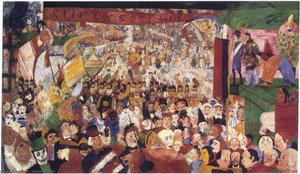
Masques Chantants
Reprodukcijos matmenys
James Ensor’s *Masques Chantants* (Masks Singing) stands as a chilling testament to the artist's preoccupation with mortality and societal anxieties—a cornerstone of his Expressionist vision. Painted in 1888, this monumental canvas captures a scene steeped in theatricality and unsettling symbolism, reflecting Ensor’s fascination with the grotesque and challenging viewers to confront uncomfortable truths about human existence.
The masks themselves are central to the painting’s symbolic significance. They represent not merely concealment but also deception, illusion, and the suppression of identity—themes that resonate throughout Ensor's artistic explorations. The figures’ postures convey a sense of solemnity and apprehension, hinting at an impending doom.
*Masques Chantants* is undeniably disturbing yet profoundly evocative. Ensor compels viewers to confront uncomfortable realities about human vulnerability and the inevitability of mortality—a feat achieved through masterful composition, unsettling imagery, and a deliberate rejection of conventional beauty standards. It remains an enduring emblem of Expressionism’s commitment to psychological realism and its unflinching portrayal of the darker aspects of human experience.
This artwork exemplifies Ensor's groundbreaking approach to painting—a bold departure from academic traditions that cemented his place as one of the most influential artists of the late nineteenth century. Its enduring power lies in its ability to provoke contemplation and challenge viewers’ perceptions of life, death, and the human condition.


1860 - 1949 , Belgija

Explore the unsettling yet captivating world of James Ensor, a pioneer of Expressionism. Discover his satirical masterpieces, symbolic imagery & lasting influence on modern art. High-quality reproductions available at Most-Famous-Paintings.
Atraskite 25 įspūdingiausius Džeimso Ebboto Maknilo Vislerio kūrinius! Tonalizmo meistras, noktiurnai ir portretai – meno istorijos šedevrai jūsų interjerui. Pirkti aukštos kokybės reprodukcijas Most-Famous-Paintings.com

Explore 25 iconic Sir Alfred Munnings paintings! Discover the beauty of British Impressionism, equine art & rural England. Find museum-quality reproductions and elevate your home decor with Most-Famous-Paintings. Explore the full collection online.
Embark on a profound journey through the world's most iconic mask artworks. Explore the spiritual depth, intricate craftsmanship, and rich cultural heritage of global traditions, from Chhau to Gomira, in this expert-led exploration of ancestral artistry and symbolic beauty.

Explore the captivating interplay of Surrealism & Expressionism in 20th-century art. Discover key artists like Masson and Pollock, automatism techniques, and their lasting influence. Expert insights for art enthusiasts.


Sekite naujausias meno naujienas, išskirtinius pasiūlymus ir dekoravimo idėjas.
Pasakokite mums apie savo projektą, o mūsų meno ekspertai parengs jums 3 asmeniškus meno pasiūlymus.
Leiskite mums parinkti 3 variantus būtent jums – nemokamai!


 Dalintis


 Skaityti daugiau







 Stiklo variantas prieinamas tik pasirinkus dydį iki 110 cm