


x


 Preview
 Pirkti atspaudą Užsisakyti kopiją
 Pasidalinti
 Išsamiau
 Pridėti į mėgstamiausius
 Atsisiųsti
 Panašūs eksponatai
 Rentgeno nuotrauka
 Automatinė diorama
Įsigykite aukštos skiriamosios raiškos, patobulintą skaitmeninį vaizdą, gerokai pranašesnį už internetinę peržiūrą.
Kiekvieną failą mūsų specialistai kruopščiai paruošia naudojant pažangias technologijas ir profesionalų rankinį retušavimą. Užtikriname, kad kiekvienas vaizdas pasižymėtų išskirtiniu aiškumu, tikslia spalvų atspalviu ir smulkiomis detalėmis.
Baigiamas failas el. paštu pristatomas per 72 valandas; jis optimizuotas nedelsiant naudojimui profesionalioje, redakcinėje ir spausdinimo aplinkoje. Tai ta pati kokybė, kuria pasitiki aukščiausios klasės dizaino studijos, leidyklos ir galerijos.
Atsisiųskite didelės raiškos failą asmeniniam naudojimui, spausdinimui ir kūrybiniams projektams.
Pasirinkę Most-Famous-Paintings.com, jūs ne tik gaunate paveikslėlį – jūs gaunate profesionaliai patobudintą skaitmeninį kūrinį, sukurtą itin tikniai ir užtikrinantį pasitenkinimą. Štai viską, kas automatiškai pritékia jūsų užsakymui:

Jūsų aukštos raiškos skaitmeninis vaizdo failas bus išsiųstas jums el. paštu per 72 valaudas nuo užsakymo – paruoštas naudojimui be jokių papildomų veiksmų.

Jūsų meno kūrinys profesionaliai optimizuojamas naudojant pažangius dirbtinio intelekto įrankius ir rankinį redagavimą, užtikrinant maksimalią detalę, aiškumą ir spalvų tikslumą.

Atsitiktinai ištrytikote ar praradote savo failą? Nebijokite – bet kuriuo metu atsiųsime jį jums vėl nemokamai.

Mėgaukitės savo meno kūriniu akimirka – skaitiniai failai visada yra neapmokestinami, todėl nereikės mokėti muitinės, mokesčių ar pristatymo mokesčių.

Naudodami profesionalią įrangą ir spalvų valdymo sistemas, užtikriname, kad jūsų skaitmeninis vaizdas kuo tiksliau atspindėtų originalias spalvas.

Jei nebuvate patenkinti savo skaitinio vaizdo, per 60 dienų jį pertaisysime arba grąkinsime 100% sumą – be jokių klausimų.

Nepat 만족inti? Gaukite visą sumokėtą sumą per 60 dienų nuo skaitmeninio failo gavimo – be jokių papildomų klausimų.

Pirkti 3 nuotraukas – pasiūla 10% - Pirkti 5 – pasiūla 15% - Pirkti 10 ir daugiau – pasiūla 20%. Puikiai tinka kūrybiniams projektams, galerijoms bei agentūroms.
Jan van Eyck’s Small Triptych, a masterpiece completed around 1437 and currently residing in the Gemäldegalerie Alte Meister in Dresden, isn't merely a painting; it’s an invitation. A remarkably intimate work considering its scale, this triptych offers a profound glimpse into the devotional practices of early Renaissance Europe. Measuring just under 30 centimeters tall, it immediately draws the viewer in with its meticulous detail and the quiet solemnity of its subjects. Unlike grand altarpieces designed for public display, the Small Triptych speaks to a more personal sphere – a private devotion, perhaps, or a moment of contemplative reflection. The choice of grisaille, a monochrome technique utilizing shades of grey rather than vibrant color, is particularly striking. It lends an almost sculptural quality to the figures, as if they were carved from stone, emphasizing their timelessness and spiritual weight.

The triptych’s narrative unfolds in a carefully orchestrated sequence. The central panel presents the Virgin Mary cradling the infant Jesus within a simple, yet elegant church interior. This scene immediately establishes a sense of serenity and maternal grace – a quintessential representation of Marian devotion. To the left, St. Michael stands as a powerful protector, accompanied by a donor figure, likely representing one of the patrons who commissioned the work. His posture exudes authority and piety. On the right wing, we encounter St. Catherine, another revered saint known for her steadfast faith and unwavering virtue. The inclusion of these three figures – Mary, Michael, and Catherine – represents a harmonious balance between divine grace, earthly protection, and spiritual fortitude. Crucially, when closed, the triptych reveals an Annunciation scene on its outer wings, creating a continuous narrative thread that underscores the central theme of God’s intervention in human affairs.
What truly elevates the Small Triptych is Van Eyck's masterful command of oil paint. This medium, still relatively new at the time, allowed him to achieve an unprecedented level of realism and detail. The subtle gradations of light and shadow, the delicate rendering of textures – from the folds of Mary’s robes to the intricate stonework of the church – are a testament to his technical skill. Van Eyck's use of oil paint also enabled him to work with remarkable patience, layering thin glazes upon thin glazes to build up color and depth. This painstaking process is evident in every brushstroke, contributing to the painting’s luminous quality and its enduring beauty. The technique was revolutionary for its time, allowing a level of detail previously unattainable with tempera or fresco.
The Small Triptych offers more than just aesthetic pleasure; it provides a valuable window into the religious beliefs and practices of early Renaissance Europe. Its intimate scale, combined with its meticulous detail and symbolic imagery, reflects a deeply personal form of devotion – one that sought to connect individuals directly with the divine. The work’s grisaille palette further emphasizes the spiritual nature of the scene, stripping away worldly distractions and focusing attention on the sacred figures within. Today, reproductions of this remarkable triptych allow us to appreciate Van Eyck's genius and contemplate the profound beauty of early Netherlandish art, offering a tangible connection to a bygone era of faith and artistic innovation.

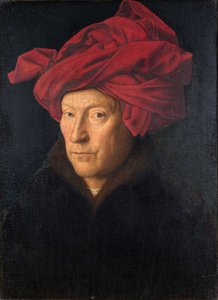
1390 - 1441 , Nyderlandai


Sekite naujausias meno naujienas, išskirtinius pasiūlymus ir dekoravimo idėjas.
Pasakokite mums apie savo projektą, o mūsų meno ekspertai parengs jums 3 asmeniškus meno pasiūlymus.
Leiskite mums parinkti 3 variantus būtent jums – nemokamai!


 Dalintis


 Skaityti daugiau


