x


Rankiniu būdu tapytas aliejus ant droblio jūsų pageidaujamame dydį ir rėmuose – mūsų menininkų darbas pagal užsakymą. ( Switch to Print Switch to Image)





























Pasirinkite iš mūsų nustatytų dydžių, atitinkančių originalaus meno kūrinio proporcijas.

Galite įvesti savo matmenis, kad jie atitiktų konkretų rėmą ar erdvę. Jei pasirinktas dydis neatitinka originalaus paveikslėlio proporcijų, mes arba apkropsime meno kūrinį, arba papildysime tapybą rankomis dažytい elementais. Prieš pradėdami gamybą, jūsų patvirtinimui atsiųsime skaitmeninį maketą.
Atkreipkite dėmesį, kad ekrane rodomas vaizdas neatspindi tikrojo apkarpymo ar papildymo. Tik maketas tiksliai parodys galutinę kompoziciją.
Nors galima rinktis ir individualius dydžius, rekomenduojame pasirinkti matmenis iš nustatytos sąrašo, kad būtų išlaikytos originalios proporcijos.
Pristatymas visame pasaulyje () per 3–4 savaites, o ne įprastai – per 5 savaites. (28 liepa). Kokybė lieka nepakeičiama.


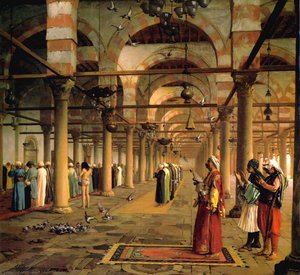
Cleopatra before Caesar
Reprodukcijos matmenys
Jean Léon Gérôme's "Cleopatra before Caesar" is more than just a depiction of an ancient encounter; it’s a meticulously crafted tableau that transports the viewer directly into the heart of Roman power and Egyptian allure. Painted in 1866, this oil on canvas masterpiece exemplifies the height of Academicism – a style characterized by its unwavering commitment to realism, dramatic narrative, and a profound respect for classical artistic traditions. Gérôme’s skill lies not merely in his technical prowess but in his ability to evoke a palpable sense of history, transforming a historical anecdote into a timeless scene of political intrigue and undeniable beauty.
Gérôme was a leading figure in the Academic style that dominated French art during the mid-19th century. This approach prioritized detailed observation, precise rendering, and a narrative clarity that aimed to educate and inspire. Unlike the looser brushwork and subjective interpretations favored by later movements, Gérôme’s work demanded meticulous attention to detail – from the folds of Cleopatra's garments to the textures of the opulent furnishings. The use of rich, saturated colors further enhances the dramatic effect, creating a visually arresting experience for the viewer.
The painting’s realism extends beyond mere visual accuracy. Gérôme meticulously researched ancient Roman customs and Egyptian attire, ensuring that every element – from the jewelry to the architectural details – was historically plausible. This commitment to authenticity is a hallmark of Academic art, reflecting a desire to connect with the past in a tangible way.
“Cleopatra before Caesar” is rich in symbolic meaning. Cleopatra’s assertive stance and deliberate gesture—her hand resting confidently on her hip—communicate power, intelligence, and strategic intent. The setting itself – an ornate Roman dining room – symbolizes the intersection of cultures and the potential for alliance between Rome and Egypt. The two men seated at the table represent the political forces vying for control, while the vase adds a touch of classical elegance and reinforces the theme of luxury and refinement.
Jean Léon Gérôme's "Cleopatra before Caesar" stands as a testament to his extraordinary skill and dedication to historical painting. Its enduring appeal lies in its ability to capture not only the visual details of an ancient scene but also the underlying drama, political intrigue, and cultural significance of the moment. Reproductions of this artwork offer collectors and interior designers alike the opportunity to bring a touch of timeless elegance and historical grandeur into their spaces – a reminder of the power of art to transport us across centuries.


1824 - 1904 , Prancūzija

Explore the rich history & techniques of oil painting – from Renaissance masters to Impressionism. Discover pigments, layering methods, and why this timeless medium endures. Expert insights for artists & art enthusiasts.

Explore the rich history & enduring techniques of oil painting with Most-Famous-Paintings. Discover masterpieces, learn about art collecting, and find authentic handmade reproductions crafted by skilled artists.

Explore the rich history & enduring techniques of oil painting on canvas. Discover the science behind its longevity, conservation practices, and contemporary relevance. Expert insights for art enthusiasts.

Explore 10 defining Academic Realism masterpieces by Bouguereau, Gérôme & Cabanel. Discover the stories behind these iconic paintings and bring timeless art into your home with museum-quality reproductions from Most-Famous-Paintings.com. Explore the full collection online!

Atraskite aliejinės tapybos paslaptis! Istorija, technika, drobės pasirinkimas ir šiuolaikinė praktika. Patarimai meno kolekcionieriams ir kūrėjams iš ekspertų.


Sekite naujausias meno naujienas, išskirtinius pasiūlymus ir dekoravimo idėjas.
Pasakokite mums apie savo projektą, o mūsų meno ekspertai parengs jums 3 asmeniškus meno pasiūlymus.
Leiskite mums parinkti 3 variantus būtent jums – nemokamai!


 Preview
 Pasidalinti
 Dalintis
 Išsamiau

 Atsisiųsti
 Panašūs eksponatai
 Rentgeno nuotrauka
 Automatinė diorama

 Skaityti daugiau







 Stiklo variantas prieinamas tik pasirinkus dydį iki 110 cm