
Parduokite savo kūrybą
Trokimų sąrašas Prekių krepšelis Cart
x
Peržiūrėti realybėjePeržiūrėti realybėje Peržiūrėti ARPeržiūrėti AR Pirkti spaudinį Pirkti spaudinįPirkti rankomis tapytą paveikslą Pirkti rankomis tapytą paveikslą PasidalintiPasidalinti
IšsamiauIšsamiau Pridėti į mėgstamiausius Pridėti į mėgstamiausius AtsisiųstiAtsisiųsti Panašūs eksponataiPanašūs eksponatai Rentgeno nuotraukaRentgeno nuotrauka Automatinė dioramaAutomatinė diorama

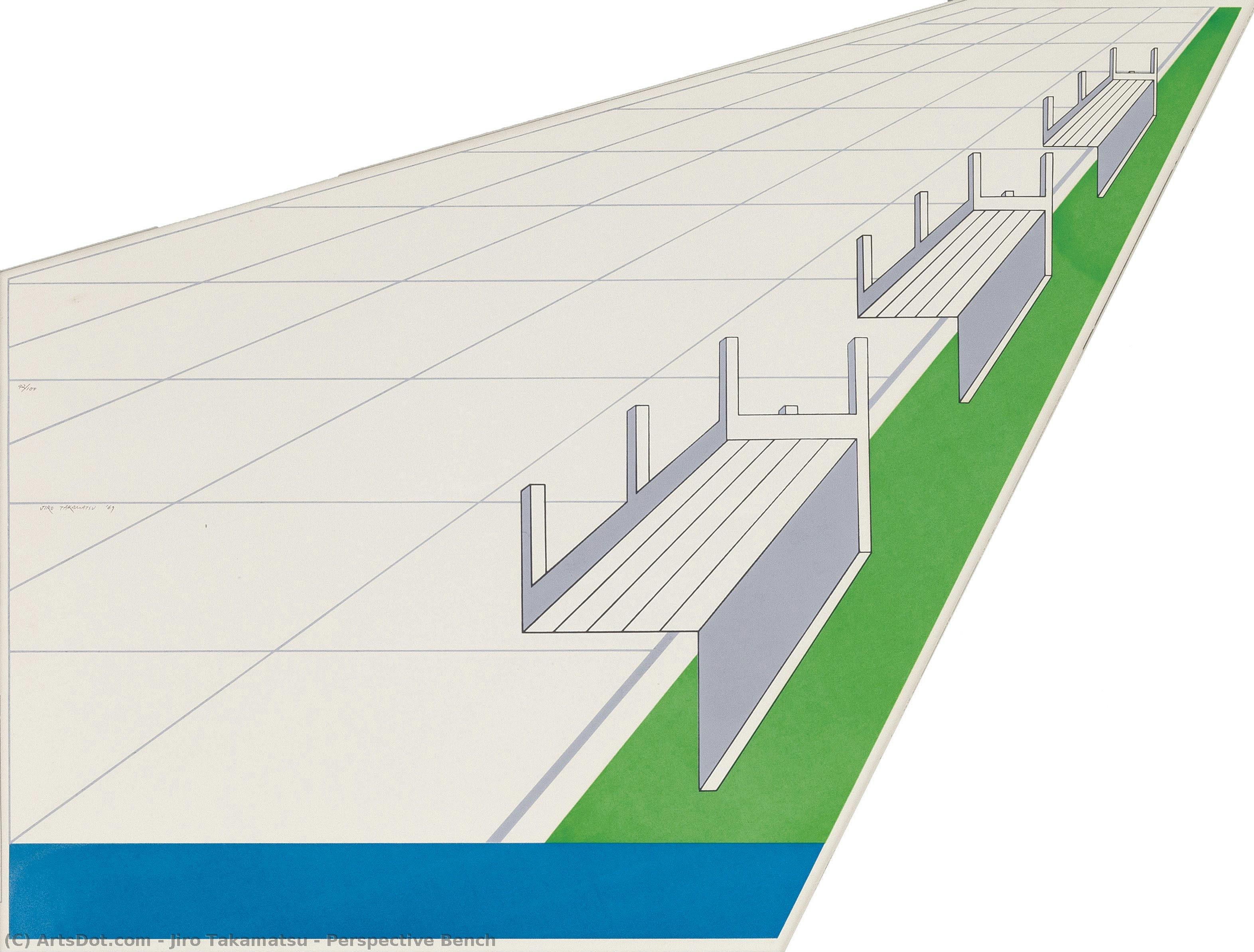
Perspective Bench

Explore Jiro Takamatsu’s ‘Perspective Bench,’ a striking geometric abstraction of a retaining wall. Digital rendering showcases precise lines & muted tones – minimalist, architectural, and captivating.

Explore Jiro Takamatsu's unique art: sculptural shadows, Tokyo cityscapes & Fluxus influence. Post-war Japanese artist known for volume & perspective.

Įsigykite aukštos skiriamosios raiškos, patobulintą skaitmeninį vaizdą, gerokai pranašesnį už internetinę peržiūrą.

Kiekvieną failą mūsų specialistai kruopščiai paruošia naudojant pažangias technologijas ir profesionalų rankinį retušavimą. Užtikriname, kad kiekvienas vaizdas pasižymėtų išskirtiniu aiškumu, tikslia spalvų atspalviu ir smulkiomis detalėmis.

Baigiamas failas el. paštu pristatomas per 72 valandas; jis optimizuotas nedelsiant naudojimui profesionalioje, redakcinėje ir spausdinimo aplinkoje. Tai ta pati kokybė, kuria pasitiki aukščiausios klasės dizaino studijos, leidyklos ir galerijos.

Skaitmeninis vaizdas

Atsisiųskite didelės raiškos failą asmeniniam naudojimui, spausdinimui ir kūrybiniams projektams. (Pirkti spaudinį Pirkti spaudinįPirkti rankomis tapytą paveikslą Pirkti rankomis tapytą paveikslą)

Visų sumos kaina

$ 24,90

Kiekvieną skaitinio vaizdo užsakymą papildė

Profesionalus skaitmeninis pristatymas, garantuotas

Pasirinkę Most-Famous-Paintings.com, jūs ne tik gaunate paveikslėlį – jūs gaunate profesionaliai patobudintą skaitmeninį kūrinį, sukurtą itin tikniai ir užtikrinantį pasitenkinimą. Štai viską, kas automatiškai pritékia jūsų užsakymui:

shipping_icon
Greitas siuntimas el. paštu

Jūsų aukštos raiškos skaitmeninis vaizdo failas bus išsiųstas jums el. paštu per 72 valaudas nuo užsakymo – paruoštas naudojimui be jokių papildomų veiksmų.

canvas_icon
Skaitmeninis failas su dirbtiniu intelektu

Jūsų meno kūrinys profesionaliai optimizuojamas naudojant pažangius dirbtinio intelekto įrankius ir rankinį redagavimą, užtikrinant maksimalią detalę, aiškumą ir spalvų tikslumą.

insurance_icon
Nemokamas visam laikui pakartotinis siuntimas

Atsitiktinai ištrytikote ar praradote savo failą? Nebijokite – bet kuriuo metu atsiųsime jį jums vėl nemokamai.

tax_icon
Jokio importo mokesčio – niekada

Mėgaukitės savo meno kūriniu akimirka – skaitiniai failai visada yra neapmokestinami, todėl nereikės mokėti muitinės, mokesčių ar pristatymo mokesčių.

color_icon
Spalvų tikslumo garantija

Naudodami profesionalią įrangą ir spalvų valdymo sistemas, užtikriname, kad jūsų skaitmeninis vaizdas kuo tiksliau atspindėtų originalias spalvas.

return_icon
60 dienų pasitenkinimo garantija

Jei nebuvate patenkinti savo skaitinio vaizdo, per 60 dienų jį pertaisysime arba grąkinsime 100% sumą – be jokių klausimų.

guarantee_icon
100% pinigų grąžinimo garantija

Nepat 만족inti? Gaukite visą sumokėtą sumą per 60 dienų nuo skaitmeninio failo gavimo – be jokių papildomų klausimų.

discount_icon
Nuolaidos dideliems užsakymams

Pirkti 3 nuotraukas – pasiūla 10% - Pirkti 5 – pasiūla 15% - Pirkti 10 ir daugiau – pasiūla 20%. Puikiai tinka kūrybiniams projektams, galerijoms bei agentūroms.


Autoriaus biografija

The Architecture of Absence

To encounter the work of Jiro Takamatsu is to enter a profound dialogue with the unseen. He was an artist who did not merely sculpt form, but rather sculpted the very air around it, capturing the ephemeral weight of shadows and the haunting silence of the void. Born in Tokyo in 1936, Takamatsu emerged as a pivotal figure in the postwar Japanese avant-garde, a master of the liminal space where light meets darkness. His practice was never about the mere accumulation of matter; instead, it was an investigation into the poetics of absence, a relentless pursuit to find the essence of reality within the smallest, most fundamental geometric components.

His early explorations were deeply rooted in the rigorous study of Western modernism, particularly the structural legacies of Cézanne. This intellectual foundation, cultivated at the Tokyo University of Fine Arts and Music, provided him with the tools to dissect form and volume. Yet, Takamatsu’s vision quickly transcended traditional painting. He sought to challenge the very mechanics of human cognition, using materials to create illusions that force the viewer to question their own perception. Through his hands, a simple line or a geometric shape became a gateway to understanding the Zero Dimension—a concept where an object is reduced to its most basic constituent elements, representing both the ultimate division and the profound emptiness of existence.

From Gutai Energy to Hi Red Center Interventions

The trajectory of Takamatsu’s career was marked by a radical departure from institutional boundaries. In his formative years, his association with the Gutai Art Association signaled a decisive break from conventional art practices. Alongside contemporaries like Natsuyuki Nakanishi, he embraced an ethos of direct engagement with materials and the rejection of traditional exhibition spaces. This period of intense experimentation laid the groundwork for his later, more conceptual endeavors, where the boundaries between art and life began to dissolve entirely.

In 1963, Takamatsu co-founded the legendary collective Hi Red Center with Genpei Akasegawa and Natsuyuki Nakanishi. This group became synonymous with audacious public interventions that disrupted the established hierarchies of the art world. Their actions were designed to provoke, to challenge the assumptions of the urban dweller, and to transform the mundane streets of Tokyo into a stage for conceptual performance. By bringing art out of the gallery and into the chaotic rhythm of the city, Takamatsu helped redefine the role of the artist as an agent of social and perceptual disruption.

The Mastery of Perspective and Shadow

Perhaps the most captivating aspect of Takamatsu’s legacy lies in his ability to manipulate perspective and distortion. He utilized photography, sculpture, and drawing to create works that act as optical puzzles. One might consider the following hallmarks of his technical brilliance:
  • Shadow Sculpture: The use of light to project three-dimensional forms onto surfaces, making the intangible shadow appear as a physical presence.
  • The Perspective Bench: A striking geometric abstraction that uses precise lines and muted tones to manipulate the viewer's sense of depth and architectural space.
  • Morphological Devices: The application of tautology and appropriation to investigate how we recognize and interpret objects in our environment.
Through these methods, Takamatsu achieved a state of perceptual tension. He would isolate the smallest particles of form to observe their fundamental nature, asserting that these tiny elements are what ultimately produce reality. His work remains a haunting reminder of the limits of human sight, inviting us to look past the surface and contemplate the beautiful, terrifying emptiness that lies beneath the skin of the visible world. His contribution to the movements of Minimalism and Fluxus continues to resonate, marking him as an artist who truly mastered the art of making nothingness felt.
jiro takamatsu

jiro takamatsu

1936 - 1998 , Japan

Trumpai apie šį kūrėją

  • Artistic Movement Or Style: Postwar Japanese Art; Conceptual Art; Mono-Ha
  • Artists Or Movements Influenced By This Artist: ['Conceptual Art']
  • Artists Who Influenced This Artist:
    • Paul Cézanne
    • Sesshū Tōyō
  • Date Of Birth: February 20, 1936
  • Date Of Death: June 25, 1998
  • Full Name: Jiro Takamatsu
  • Nationality: Japanese
  • Notable Artworks:
    • Perspective Bench
    • Young Woman Jumping From The Kiyomizu Temple Balcony With An Umbrella As A Parachute
  • Place Of Birth: Tokyo, Japan

