x

Muziejų lygio „giclée“ arba drobos spausdinimas: greita gamyba ir lankstios apdailos parinktys. ( Pirkti rankomis tapytą paveikslą Pirkti vaizdą)





























Pasirinkite iš mūsų nustatytų dydžių, atitinkančių originalaus meno kūrinio proporcijas.

Galite nurodyti savo matmenis, kad vaizdas atitiktų konkretų rėmą ar erdvę. Jei pasirinktas dydis nesutaps su originalaus paveikslėlio proporcijomis, mes arba apkirpsime kūrinį, arba išplėsime vaizdą naudojant veideliu atspindėtą arba vientisą šoną. Skaitmeninis maketas bus išsiųstas jums patvirtinti prieš pradedant gamybą.
Atkreipkite dėmesį, kad ekrane matomas vaizdinys neatspindi tikrojo apkirpimo ar išplėtimo. Tik maketas tiksliai parodytų galutinę kompoziciją.
Nors galima rinktis ir individualius dydžius, rekomenduojame pasirinkti vieną iš išanksti nustatytų matmenų, kad būtų išlaikytos originalios proporcijos.
Pristatymas visame pasaulyje () per 2 weeks, o ne įprastas 4/5 savaičių laikotarpis. (18 rugpjūtis)


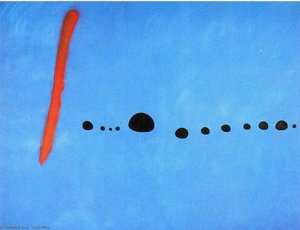
Azul III
Reprodukcijos matmenys
Joan Miró (1893 – 1983), born in Barcelona, stands as a cornerstone of Surrealist art and arguably the most celebrated exponent of Catalan artistic expression. His oeuvre transcends stylistic categorization, presenting instead a deeply personal cosmology rooted in dreams, mythology, and an unwavering commitment to capturing the essence of human experience—often filtered through the prism of memory and folklore.
Miró’s distinctive style is characterized by organic abstraction. Rejecting representational accuracy, he employed a vocabulary of biomorphic forms – undulating lines, amorphous shapes reminiscent of insects and plants – to construct landscapes that exist simultaneously in the realm of imagination and observation. His technique involved applying pigment directly onto canvas with brushes and spatulas, layering colors and textures to create surfaces imbued with palpable physicality.
Miró emerged during the tumultuous period of Surrealist experimentation following World War I. Influenced by Sigmund Freud’s psychoanalytic theories, Miró sought to liberate artistic expression from rational constraints, tapping into unconscious desires and anxieties. Simultaneously, his work reflected a burgeoning Catalan nationalist sentiment—a yearning for cultural autonomy amidst the pressures of Spanish Republican rule—expressed through symbolic imagery referencing Catalan traditions and landscapes.
Azul III is replete with symbols that resonate deeply within Miró’s artistic universe. The dominant hue – a vibrant shade of azure – evokes the Mediterranean sky, symbolizing serenity and transcendence. Scattered across the canvas are stylized insect forms—particularly butterflies—representing metamorphosis and rebirth—a motif central to Miró's exploration of spiritual transformation. Furthermore, amorphous shapes suggest primordial forces shaping the landscape, mirroring Catalan myths concerning creation and fertility.
Despite its apparent simplicity, Azul III possesses a profound emotional resonance. The painting invites contemplation—a quiet immersion in a space of ethereal beauty tempered by an underlying sense of vulnerability. Miró’s masterful manipulation of color and texture conveys not merely visual information but also intangible feelings—a yearning for connection with the natural world and a recognition of the cyclical rhythms of life and death. It is precisely this ability to evoke emotion that secures Azul III's place as one of Miró’s most enduring masterpieces.

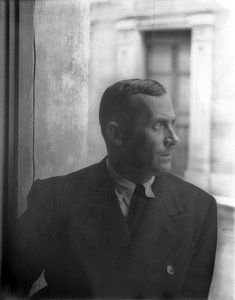
1893 - 1983 , Ispanija

Explore the profound depths of Surrealism. From Dalí’s dreamscapes to Magritte’s enigmas, master the history of the subconscious mind through our expert art guide and discover museum-quality oil reproductions of the world's most iconic surrealist masterpieces.

Explore the profound depths of Surrealism through a scholarly lens. Discover the symbolism, history, and technical brilliance behind masterpieces by Salvador Dalí and other icons. Gain expert insights into the dreamlike subconscious and the enduring legacy of Surrealist art.

Explore the profound depths of Surrealism with our expert guide. From Dalí's dreamscapes to Breton's manifesto, uncover the history, symbolism, and technical mastery of this revolutionary movement. Perfect for students and collectors seeking deep art-historical insight.


Sekite naujausias meno naujienas, išskirtinius pasiūlymus ir dekoravimo idėjas.
Pasakokite mums apie savo projektą, o mūsų meno ekspertai parengs jums 3 asmeniškus meno pasiūlymus.
Leiskite mums parinkti 3 variantus būtent jums – nemokamai!


 Peržiūrėti realybėje
 Pasidalinti
 Dalintis
 Išsamiau

 Atsisiųsti
 Panašūs eksponatai
 Rentgeno nuotrauka
 Automatinė diorama
 Skaityti daugiau







 Stiklo variantas prieinamas tik pasirinkus dydį iki 110 cm