


x

 Acrylic On CanvasWallArtCubism
 1920Modern
 130.0 x 110.0 cm
Muziejų lygio „giclée“ arba drobos spausdinimas: greita gamyba ir lankstios apdailos parinktys. ( Pirkti rankomis tapytą paveikslą Pirkti vaizdą)





























Pasirinkite iš mūsų nustatytų dydžių, atitinkančių originalaus meno kūrinio proporcijas.

Galite nurodyti savo matmenis, kad vaizdas atitiktų konkretų rėmą ar erdvę. Jei pasirinktas dydis nesutaps su originalaus paveikslėlio proporcijomis, mes arba apkirpsime kūrinį, arba išplėsime vaizdą naudojant veideliu atspindėtą arba vientisą šoną. Skaitmeninis maketas bus išsiųstas jums patvirtinti prieš pradedant gamybą.
Atkreipkite dėmesį, kad ekrane matomas vaizdinys neatspindi tikrojo apkirpimo ar išplėtimo. Tik maketas tiksliai parodytų galutinę kompoziciją.
Nors galima rinktis ir individualius dydžius, rekomenduojame pasirinkti vieną iš išanksti nustatytų matmenų, kad būtų išlaikytos originalios proporcijos.
Pristatymas visame pasaulyje () per 2 weeks, o ne įprastas 4/5 savaičių laikotarpis. (21 rugpjūtis)


The Table (Still Life with Rabbit)
Reprodukcijos matmenys
Joan Miró’s “The Table (Still Life with Rabbit)” stands as a cornerstone of Surrealist Cubism, encapsulating the artist's distinctive vision and reflecting the anxieties of his era. Created in 1920, this painting transcends mere representation; it delves into the subconscious mind and challenges conventional perceptions of reality—a hallmark of Miró’s artistic philosophy.
At first glance, “The Table” presents a deceptively simple tableau: a table adorned with disparate objects – fish on a plate, chickens perched atop a tablecloth, carrots nestled at the base, apples strategically positioned, and a bowl containing fruit. However, Miró’s masterful manipulation of form and color elevates this still life beyond its surface appearance.
Miró’s stylistic approach is firmly rooted in Cubism, yet infused with Surrealist sensibilities. He abandons realistic depiction in favor of abstracted forms that convey emotion and imagination. The artist's technique—characterized by loose brushstrokes and a deliberate disregard for meticulous detail—emphasizes spontaneity and invites viewers to engage actively with the artwork.
“The Table” exemplifies Miró’s commitment to exploring the realm of dreams and subconscious associations, mirroring his broader artistic exploration of irrationality and fantasy.Painted during the turbulent years following World War I, “The Table” reflects the pervasive disillusionment and uncertainty that characterized the interwar period. Miró’s stylistic choices—the fragmentation of form, the symbolic imagery—can be interpreted as a response to the anxieties of his time and an assertion of artistic independence against prevailing conventions.
"The Table (Still Life with Rabbit)" continues to resonate with audiences today, serving as an enduring testament to Miró’s groundbreaking contribution to modern art. Its visual richness and conceptual depth inspire contemplation on themes of mortality, innocence, and the transformative power of imagination—a legacy that cements its place among the most iconic artworks of the 20th century.

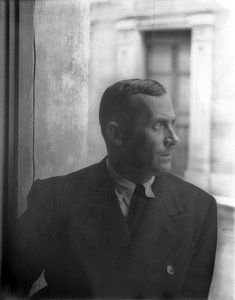
1893 - 1983 , Ispanija
Atraskite 25 įspūdingiausius Džoano Miro kūrinius! Sužinokite apie jo surrealizmą, spalvingus paveikslus ir katalonų meninę viziją. Meno reprodukcijos jūsų interjerui – Most-Famous-Paintings.com
Atraskite 25 Georges Braque šedevrus! Kubizmo meistro paveikslai, interjero dekoras ir meno istorija. Meno reprodukcijos aukščiausia kokybe – Most-Famous-Paintings.com. Išsamesnės informacijos rasite internetu.
Atraskite 25 Paul Cézanno šedevrus! Išsami analizė, istorijos ir įkvėpimas interjero dekorui. Modernus menas, impresionizmas, natiurmortai – viskas Most-Famous-Paintings.com. Explore the full collection online!

Explore the revolutionary world of Cubist Still Life with Most-Famous-Paintings. Discover Picasso & Braque's groundbreaking techniques, its philosophical roots, and lasting impact on modern art. Expert insights for collectors.
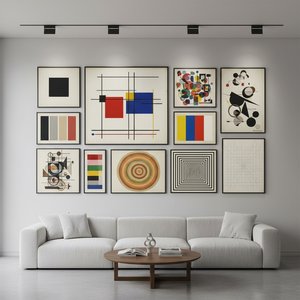
Atraskite 10 geometrinės abstrakcijos šedevrų – nuo Mondriano iki Malevičiaus! Sužinokite apie Piet Mondrian, Kazimir Malevič ir kitus menininkus. Meno kūriniai jūsų interjerui | Most-Famous-Paintings.com


Sekite naujausias meno naujienas, išskirtinius pasiūlymus ir dekoravimo idėjas.
Pasakokite mums apie savo projektą, o mūsų meno ekspertai parengs jums 3 asmeniškus meno pasiūlymus.
Leiskite mums parinkti 3 variantus būtent jums – nemokamai!


 Peržiūrėti realybėje
 Pasidalinti
 Dalintis
 Išsamiau

 Atsisiųsti
 Panašūs eksponatai
 Rentgeno nuotrauka
 Automatinė diorama
 Skaityti daugiau







 Stiklo variantas prieinamas tik pasirinkus dydį iki 110 cm


