x

 Oil On CanvasWallArtRomanticism
 19th Century
 56.0 x 71.0 cm
Rankiniu būdu tapytas aliejus ant droblio jūsų pageidaujamame dydį ir rėmuose – mūsų menininkų darbas pagal užsakymą. ( Pirkti spaudinį Pirkti vaizdą)





























Pasirinkite iš mūsų nustatytų dydžių, atitinkančių originalaus meno kūrinio proporcijas.

Galite įvesti savo matmenis, kad jie atitiktų konkretų rėmą ar erdvę. Jei pasirinktas dydis neatitinka originalaus paveikslėlio proporcijų, mes arba apkropsime meno kūrinį, arba papildysime tapybą rankomis dažytい elementais. Prieš pradėdami gamybą, jūsų patvirtinimui atsiųsime skaitmeninį maketą.
Atkreipkite dėmesį, kad ekrane rodomas vaizdas neatspindi tikrojo apkarpymo ar papildymo. Tik maketas tiksliai parodys galutinę kompoziciją.
Nors galima rinktis ir individualius dydžius, rekomenduojame pasirinkti matmenis iš nustatytos sąrašo, kad būtų išlaikytos originalios proporcijos.
Pristatymas visame pasaulyje () per 3–4 savaites, o ne įprastai – per 5 savaites. (19 rugpjūtis). Kokybė lieka nepakeičiama.


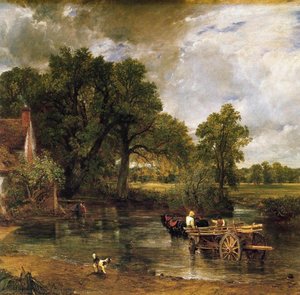
A winter landscape with with figures on a path, a footbridge and windmills beyond
Reprodukcijos matmenys
In the quietude of a frost-bitten morning, John Constable’s "Winter Landscape with Figures on a Path, A Footbridge and Windmills Beyond" invites the viewer into a realm where time seems to have frozen alongside the landscape. Painted around 1824-25, this masterpiece is far more than a mere seasonal depiction; it is a profound meditation on the enduring relationship between humanity and the natural world. As one gazes upon the snow-dusted fields of Suffolk's Dedham Vale, there is an immediate sense of entering a sanctuary of stillness. The artwork captures that fleeting, heavy moment just before a snowfall, where the atmosphere is thick with anticipation and the world holds its breath in a state of quiet contemplation.
The composition masterfully guides the wandering eye through a meticulously layered English countryside. A winding path, etched into the white expanse, serves as a visual journey, leading the observer past a delicate footbridge toward a distant cluster of cottages and windmills. This structural depth is achieved through Constable’s expert use of atmospheric perspective, where the far reaches of the horizon soften into pale, ethereal tones, creating an illusion of vast, unending space. The presence of small, industrious figures traversing the path grounds this sublime vista in the tangible reality of rural life, reminding us that even in the harshest winters, the rhythm of human perseverance continues unabated.
Technically, this work stands as a testament to Constable’s revolutionary commitment to plein air painting. Eschewing the polished, idealized landscapes of his predecessors, Constable sought the raw truth of nature. He employed oil on canvas with a tactile brilliance, utilizing thick impasto brushstrokes to breathe life into the physical world. One can almost feel the crunch of the frozen earth and the rough grain of the wooden bridge underfoot. His palette is a sophisticated study in restraint; dominated by muted greys, deep browns, and brilliant whites, the color scheme reflects the low-contrast light of an overcast winter sky. These cool, subdued tones do not merely represent coldness—they evoke a specific psychological state of melancholy and peace.
For the discerning collector or interior designer, this painting offers a unique versatility in decor. Its neutral, sophisticated palette allows it to integrate seamlessly into modern minimalist spaces, where it can serve as a serene focal point, or within more traditional, classical settings, where it acts as a window into the Romantic era. The subtle interplay of light and shadow provides a sense of movement within a static scene, ensuring that the artwork remains dynamic and engaging from every angle.
Beyond its aesthetic splendor, the painting is rich with the symbolic language of the Romantic movement. The solitary windmill, standing as a sentinel over the valley, may be interpreted as a symbol of both industrial progress and the inevitable decay of time. There is a poignant tension between the permanence of the landscape and the transient nature of the figures moving through it. This duality creates an emotional resonance that transcends the canvas, touching upon universal themes of solitude, resilience, and the cyclical nature of life.
To possess a reproduction of this work is to bring a piece of English heritage into one's home—a fragment of a lost, pastoral Eden. It is an invitation to slow down, to observe the subtle gradations of light, and to find beauty in the bleakest of seasons. Whether viewed as a historical document of the Dedham Vale or as a pure emotional experience, Constable’s winter vision remains an eternal triumph of the human spirit over the elements.

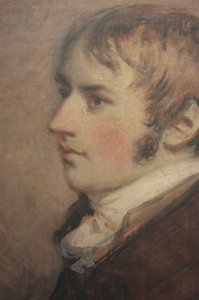
1776 - 1837 , Jungtinė Karalystė
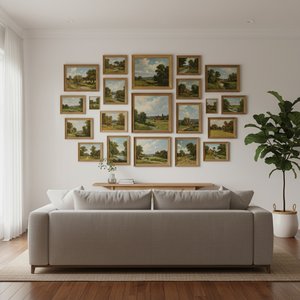
Atraskite 25 įspūdingiausius Džono Konsteblio paveikslus! Romantizmo meistro gamtos vaizdai, Dedham Vale peizažai ir meno istorijos šedevrai. Meno reprodukcijos jūsų interjerui – Most-Famous-Paintings.com
Atraskite 25 žymiausius Vincento van Gogo šedevrus! Sužinokite apie impresionizmą, saulėgrąžas ir nakties kava. Meno istorija jūsų interjerui – aukštos kokybės Van Gogo reprodukcijos Most-Famous-Paintings.com.
Journey through 10 breathtaking landscape paintings by Monet, Van Gogh & more! Explore iconic artworks, artistic techniques & find inspiration for your home decor. Museum-quality reproductions at Most-Famous-Paintings.com. Discover all masterpieces on Most-Famous-Paintings.com

Atraskite 10 legendinių romantinio peizažo kūrinių! Pasinerkite į Claude Lorrain, Caspar David Friedrich ir J.M.W. Turner genijaus pasaulį. Išmokite apie tapybos meistriškumą bei gamtos grožį. Aukščiausios kokybės meno reprodukcijos – Most-Famous-Paintings.com. Tyrinėkite kolekciją!

Explore 25 iconic John Singer Sargent paintings – from dazzling portraits to Impressionist landscapes. Discover the stories behind Madame X, El Jaleo & more! Find museum-quality art reproductions and elevate your home decor with Most-Famous-Paintings.com.


Sekite naujausias meno naujienas, išskirtinius pasiūlymus ir dekoravimo idėjas.
Pasakokite mums apie savo projektą, o mūsų meno ekspertai parengs jums 3 asmeniškus meno pasiūlymus.
Leiskite mums parinkti 3 variantus būtent jums – nemokamai!


 Peržiūrėti realybėje
 Pasidalinti
 Dalintis
 Išsamiau

 Atsisiųsti
 Panašūs eksponatai
 Rentgeno nuotrauka
 Automatinė diorama
 Skaityti daugiau







 Stiklo variantas prieinamas tik pasirinkus dydį iki 110 cm