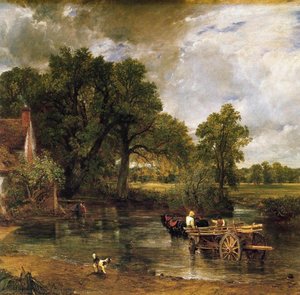
x

Rankiniu būdu tapytas aliejus ant droblio jūsų pageidaujamame dydį ir rėmuose – mūsų menininkų darbas pagal užsakymą. ( Pirkti spaudinį Pirkti vaizdą)





























Pasirinkite iš mūsų nustatytų dydžių, atitinkančių originalaus meno kūrinio proporcijas.

Galite įvesti savo matmenis, kad jie atitiktų konkretų rėmą ar erdvę. Jei pasirinktas dydis neatitinka originalaus paveikslėlio proporcijų, mes arba apkropsime meno kūrinį, arba papildysime tapybą rankomis dažytい elementais. Prieš pradėdami gamybą, jūsų patvirtinimui atsiųsime skaitmeninį maketą.
Atkreipkite dėmesį, kad ekrane rodomas vaizdas neatspindi tikrojo apkarpymo ar papildymo. Tik maketas tiksliai parodys galutinę kompoziciją.
Nors galima rinktis ir individualius dydžius, rekomenduojame pasirinkti matmenis iš nustatytos sąrašo, kad būtų išlaikytos originalios proporcijos.
Pristatymas visame pasaulyje () per 3–4 savaites, o ne įprastai – per 5 savaites. (15 rugpjūtis). Kokybė lieka nepakeičiama.


Mrs James Pulham, Snr
Reprodukcijos matmenys
John Constable’s “Mrs. James Pulham, Snr.” offers a poignant glimpse into the life and sensibilities of early 19th-century England, a world deeply intertwined with the rhythms of agriculture and the profound beauty of the natural landscape. Painted in 1818, this portrait transcends the conventional formality of its time, presenting a remarkably intimate and emotionally resonant depiction of Mrs. Pulham – a woman firmly rooted within the Dedham Vale, the very subject that would define Constable’s artistic legacy.
Constable’s connection to the Dedham Vale was profound, shaped by his family's ownership of land along the River Stour. This intimate familiarity is powerfully evident in “Mrs. James Pulham, Snr.” The landscape isn't merely a backdrop; it’s an integral part of the subject’s identity. The chair, for example, likely sits within the Pulhams’ own home, anchoring Mrs. Pulham to her familial and agricultural roots. This reflects Constable’s broader artistic project – to capture not just external reality but also the internal landscape of human experience shaped by its surroundings.
Painted in 1818, “Mrs. James Pulham, Snr.” represents a pivotal moment in Constable’s artistic development. Following his initial flirtation with classical influences – particularly the works of Claude Lorrain – he increasingly sought to capture the unique character of the English landscape and its inhabitants. This portrait demonstrates his growing confidence in portraying not just picturesque scenes but also the emotional lives of ordinary people within that landscape. It aligns with Constable’s broader ambition to elevate rural life and the dignity of working-class individuals to the level of serious artistic subject matter, a radical departure from the prevailing tastes of the Royal Academy.
"Mrs. James Pulham, Snr." is more than just a portrait; it's a testament to Constable’s ability to capture human emotion through his art. Mrs. Pulham’s direct gaze invites the viewer into her world, fostering a sense of empathy and connection. This painting exemplifies Constable’s enduring legacy as one of England’s greatest landscape artists – a master of light, color, and emotional expression who transformed our understanding of the beauty and significance of the English countryside.

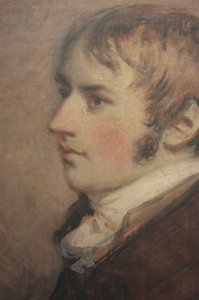
1776 - 1837 , Jungtinė Karalystė

Elevate your design projects with Most-Famous-Paintings's premium canvas prints and hand-painted reproductions. Discover affordable, museum-quality wall decor delivered worldwide, offering freelance decorators professional excellence, archival durability, and bespoke customization for every space.


Sekite naujausias meno naujienas, išskirtinius pasiūlymus ir dekoravimo idėjas.
Pasakokite mums apie savo projektą, o mūsų meno ekspertai parengs jums 3 asmeniškus meno pasiūlymus.
Leiskite mums parinkti 3 variantus būtent jums – nemokamai!


 Peržiūrėti realybėje
 Pasidalinti
 Dalintis
 Išsamiau

 Atsisiųsti
 Panašūs eksponatai
 Rentgeno nuotrauka
 Automatinė diorama

 Skaityti daugiau







 Stiklo variantas prieinamas tik pasirinkus dydį iki 110 cm