


x
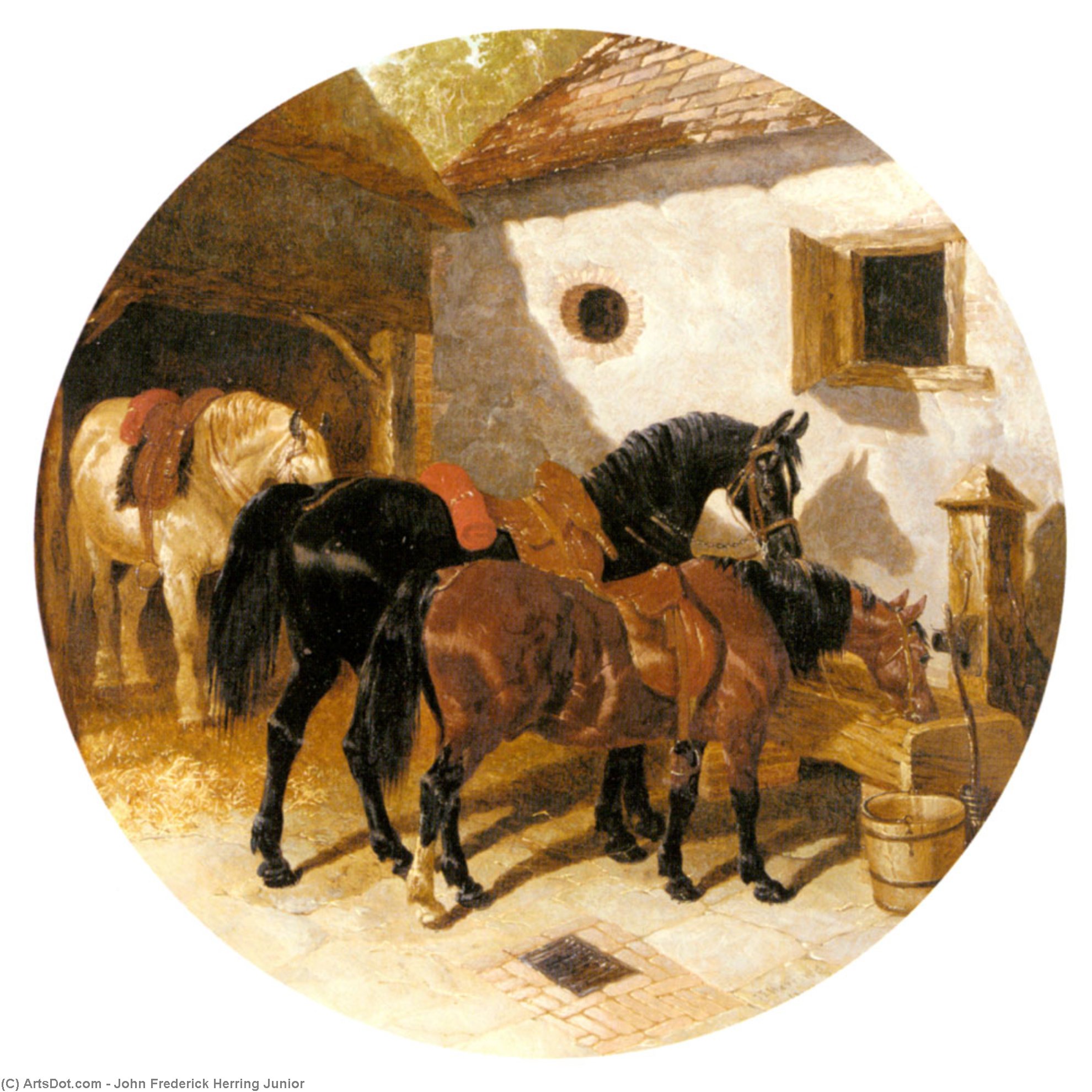
Rankiniu būdu tapytas aliejus ant droblio jūsų pageidaujamame dydį ir rėmuose – mūsų menininkų darbas pagal užsakymą. ( Perejti prie spausdinimo Perjungti į vaizdą)
Pasirinkite iš mūsų nustatytų dydžių, atitinkančių originalaus meno kūrinio proporcijas.

Galite įvesti savo matmenis, kad jie atitiktų konkretų rėmą ar erdvę. Jei pasirinktas dydis neatitinka originalaus paveikslėlio proporcijų, mes arba apkropsime meno kūrinį, arba papildysime tapybą rankomis dažytい elementais. Prieš pradėdami gamybą, jūsų patvirtinimui atsiųsime skaitmeninį maketą.
Atkreipkite dėmesį, kad ekrane rodomas vaizdas neatspindi tikrojo apkarpymo ar papildymo. Tik maketas tiksliai parodys galutinę kompoziciją.
Nors galima rinktis ir individualius dydžius, rekomenduojame pasirinkti matmenis iš nustatytos sąrašo, kad būtų išlaikytos originalios proporcijos.
Pristatymas visame pasaulyje () per 3–4 savaites, o ne įprastai – per 5 savaites. (10 rugpjūtis). Kokybė lieka nepakeičiama.


the farmyard
Reprodukcijos matmenys
In the heart of the Victorian era, a period defined by both rapid industrial expansion and a profound nostalgia for the pastoral, the works of John Frederick Herring Junior offered a window into a vanishing world. Born in Doncaster, Yorkshire, around 1820, Herring Jr. was destined to become a master of the British landscape, carrying forward a profound artistic lineage. He emerged from a family deeply rooted in equestrian tradition; his father, Edmund Herring Sr., was already a celebrated painter of horses, a man whose meticulous eye for equine anatomy provided the foundational blueprint for his son’s future triumphs. This heritage was more than mere profession—it was a shared language of observation, movement, and a deep-seated reverence for the rural English countryside.
While his lineage provided the subject matter, Herring Jr.’s formal education provided the refinement. His journey through Eton College and subsequently Oxford University instilled in him a classical scholarship that would later lend a certain dignity and structural integrity to his compositions. However, the true metamorphosis of his style occurred during his apprenticeship with George Petrie, a renowned watercolorist and illustrator. Under Petrie’s tutelage, Herring Jr. moved beyond simple representation, mastering the delicate nuances of tonal harmony and atmospheric perspective. These technical skills allowed him to breathe life into his canvases, transforming static scenes of the countryside into living, breathing environments where light seemed to dance across the meadows and mist clung to the edges of the woods.
The true brilliance of Herring Jr.’s oeuvre lies in his ability to navigate the spectrum between high-energy sporting art and the quiet, contemplative moments of rural industry. He achieved unparalleled renown for capturing the visceral excitement of equestrian pursuits. In his depictions of fox hunts, races, and carriage journeys, one can almost hear the thundering hooves and feel the spray of turf. His mastery of motion allowed him to portray horses and riders in mid-gallop, utilizing a sense of kinetic energy that made his work a favorite among the Victorian sporting aristocracy. Yet, even within these intense scenes, there remains a profound respect for the anatomy and grace of the animals themselves.
Conversely, Herring Jr. possessed a tender capacity for the pastoral. He was equally adept at rendering the stillness of a village afternoon or the rhythmic labor of the peasantry. His celebrated work, ‘The Village Blacksmith,’ serves as a poignant testament to this side of his artistry, offering a soulful portrayal of craftsmanship and the dignity of manual toil. Through his brush, the English landscape became more than just a backdrop; it became a character in its own right—a place of both rugged vitality and peaceful endurance. His ability to weave together these disparate themes—the adrenaline of the chase and the tranquility of the hearth—is what elevates his work from mere illustration to true fine art.
As the nineteenth century progressed, the world began to shift away from the agrarian rhythms that Herring Jr. so lovingly documented. However, his paintings remained a vital cultural touchstone, preserving an idealized vision of England that resonated deeply with a society grappling with the complexities of modernity. His contribution to the genre of sporting art and landscape painting is marked by a unique blend of technical precision and emotional resonance. He did not merely paint what he saw; he painted the spirit of an era.
Today, the legacy of John Frederick Herring Junior continues to endure through his presence in prestigious collections, such as the Tate, where his works serve as essential windows into the Victorian psyche. His life’s work stands as a monumental achievement in British art, characterized by:
Through his dedication to his craft and his unwavering connection to his roots, Herring Jr. ensured that the beauty of the English countryside and the majesty of the horse would remain eternally captured in the amber of fine oil painting.

1820 - 1907 , United Kingdom


Sekite naujausias meno naujienas, išskirtinius pasiūlymus ir dekoravimo idėjas.
Pasakokite mums apie savo projektą, o mūsų meno ekspertai parengs jums 3 asmeniškus meno pasiūlymus.
Leiskite mums parinkti 3 variantus būtent jums – nemokamai!


 Peržiūrėti realybėje
 Pasidalinti
 Dalintis
 Išsamiau

 Atsisiųsti
 Panašūs eksponatai
 Rentgeno nuotrauka
 Automatinė diorama
 Skaityti daugiau




































 Stiklo variantas prieinamas tik pasirinkus dydį iki 110 cm


