x


 Oil On CanvasWallArtImpressionist Style
 1893
1893 63.0 x 63.0 cm
Rankiniu būdu tapytas aliejus ant droblio jūsų pageidaujamame dydį ir rėmuose – mūsų menininkų darbas pagal užsakymą. ( Switch to Print Switch to Image)





























Pasirinkite iš mūsų nustatytų dydžių, atitinkančių originalaus meno kūrinio proporcijas.

Galite įvesti savo matmenis, kad jie atitiktų konkretų rėmą ar erdvę. Jei pasirinktas dydis neatitinka originalaus paveikslėlio proporcijų, mes arba apkropsime meno kūrinį, arba papildysime tapybą rankomis dažytい elementais. Prieš pradėdami gamybą, jūsų patvirtinimui atsiųsime skaitmeninį maketą.
Atkreipkite dėmesį, kad ekrane rodomas vaizdas neatspindi tikrojo apkarpymo ar papildymo. Tik maketas tiksliai parodys galutinę kompoziciją.
Nors galima rinktis ir individualius dydžius, rekomenduojame pasirinkti matmenis iš nustatytos sąrašo, kad būtų išlaikytos originalios proporcijos.
Pristatymas visame pasaulyje () per 3–4 savaites, o ne įprastai – per 5 savaites. (30 liepa). Kokybė lieka nepakeičiama.


The Cabbage Patch
Reprodukcijos matmenys
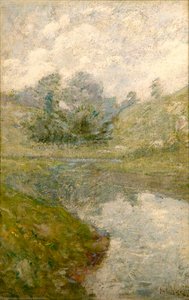
John Henry Twachtman’s “The Cabbage Patch,” completed in 1893, is more than just a depiction of a garden; it's an embodiment of the Impressionist movement’s core principles – capturing fleeting moments of light and color to convey emotion rather than striving for photographic realism.
The painting presents a tranquil vista of a suburban home nestled amongst verdant foliage. Lush bushes laden with blossoms dominate the foreground, creating a rich tapestry of hues that immediately draw the eye. Two chairs strategically positioned within the garden invite contemplation and offer a focal point for the viewer’s gaze. The artist meticulously observes the interplay between sunlight filtering through the trees and illuminating the flowers, resulting in an atmosphere brimming with warmth and vitality.
His palette leans heavily on muted greens and yellows, punctuated by splashes of vibrant reds and blues from the flowers. These colors aren’t merely decorative; they are carefully chosen to evoke feelings of serenity and joy—reflecting the Impressionists' belief in art as a conduit for emotional experience.
“The Cabbage Patch” emerged during a period of significant artistic innovation in America. Following the influence of European Impressionists like Monet and Renoir, artists began to experiment with new approaches to landscape painting, prioritizing subjective perception over objective representation. Twachtman’s work aligns perfectly with this trend, demonstrating a commitment to portraying nature as it appears to the human eye—a departure from the academic tradition that dominated art education at the time.
Beyond its visual beauty, “The Cabbage Patch” carries subtle symbolic weight. The garden itself represents harmony and balance – a refuge from the complexities of urban life. The birds symbolize freedom and spontaneity, mirroring the Impressionists’ desire to liberate art from rigid conventions. Ultimately, the painting invites viewers to pause, appreciate the simple pleasures of nature, and experience a moment of quiet contemplation.


1853 - 1902 , Jungtinės Amerikos Valstijos
Atraskite 25 Paul Cézanno šedevrus! Išsami analizė, istorijos ir įkvėpimas interjero dekorui. Modernus menas, impresionizmas, natiurmortai – viskas Most-Famous-Paintings.com. Explore the full collection online!

Explore the rich history & techniques of oil painting – from Renaissance masters to Impressionism. Discover pigments, layering methods, and why this timeless medium endures. Expert insights for artists & art enthusiasts.

Atraskite 25 įspūdingiausius Claude Monet šedevrus! Sužinokite apie impresionizmą, vandens lelijų paveikslus ir spalvų magiją. Meno reprodukcijos aukščiausia kokybe – Most-Famous-Paintings.com. Išsamesnės informacijos rasite internetu.

Journey through art history with our guide to 10 legendary oil on canvas masterpieces! Explore iconic works by Van Gogh, Monet & Rembrandt. Find museum-quality reproductions and elevate your home decor at . Discover all masterpieces online.

Explore the rich history & enduring techniques of oil painting with Most-Famous-Paintings. Discover masterpieces, learn about art collecting, and find authentic handmade reproductions crafted by skilled artists.


Sekite naujausias meno naujienas, išskirtinius pasiūlymus ir dekoravimo idėjas.
Pasakokite mums apie savo projektą, o mūsų meno ekspertai parengs jums 3 asmeniškus meno pasiūlymus.
Leiskite mums parinkti 3 variantus būtent jums – nemokamai!


 Preview
 Pasidalinti
 Dalintis
 Išsamiau

 Atsisiųsti
 Panašūs eksponatai
 Rentgeno nuotrauka
 Automatinė diorama
 Skaityti daugiau







 Stiklo variantas prieinamas tik pasirinkus dydį iki 110 cm