x

 Preview
 Pirkti atspaudą Pirkti skaitmeninį paveikslą
 Pasidalinti
 Išsamiau
 Pridėti į mėgstamiausius
 Atsisiųsti
 Panašūs eksponatai
 Rentgeno nuotrauka
 Automatinė diorama
Rankiniu būdu tapytas aliejus ant droblio jūsų pageidaujamame dydį ir rėmuose – mūsų menininkų darbas pagal užsakymą.





























Pasirinkite iš mūsų nustatytų dydžių, atitinkančių originalaus meno kūrinio proporcijas.

Galite įvesti savo matmenis, kad jie atitiktų konkretų rėmą ar erdvę. Jei pasirinktas dydis neatitinka originalaus paveikslėlio proporcijų, mes arba apkropsime meno kūrinį, arba papildysime tapybą rankomis dažytい elementais. Prieš pradėdami gamybą, jūsų patvirtinimui atsiųsime skaitmeninį maketą.
Atkreipkite dėmesį, kad ekrane rodomas vaizdas neatspindi tikrojo apkarpymo ar papildymo. Tik maketas tiksliai parodys galutinę kompoziciją.
Nors galima rinktis ir individualius dydžius, rekomenduojame pasirinkti matmenis iš nustatytos sąrašo, kad būtų išlaikytos originalios proporcijos.
Pristatymas visame pasaulyje () per 3–4 savaites, o ne įprastai – per 5 savaites. (26 liepa). Kokybė lieka nepakeičiama.


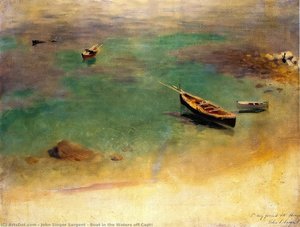
Capri
Reprodukcijos matmenys
John Singer Sargent’s “Capri” is more than just a depiction of a rooftop scene; it's an exquisite distillation of leisure, light, and the quiet beauty of the Italian coast. Painted during his prolific period in Europe, this work exemplifies Sargent’s mastery of capturing fleeting moments – a skill honed through years of observing society’s elite and translating their experiences onto canvas. The painting transports us to a specific place and time: Capri, circa 1900, a jewel of the Tyrrhenian Sea renowned for its stunning landscapes and vibrant artistic community. Sargent was deeply embedded within this world, frequently commissioned by wealthy patrons seeking portraits and scenes that reflected their sophisticated lifestyles.
Sargent’s masterful use of color is central to the painting's impact. The dominant palette – muted whites, creams, soft greens, blues, and browns – perfectly captures the natural tones of Capri’s landscape. These earthy hues are punctuated by subtle touches of pink and orange, strategically placed to add warmth and visual interest without disrupting the overall sense of serenity. Notice how he uses light to sculpt the forms; the highlights on the figures and the rooftop create a dynamic interplay between shadow and illumination, adding depth and volume to the composition.
Beyond its aesthetic qualities, “Capri” offers a glimpse into Sargent’s artistic philosophy. He was fascinated by capturing not just appearances but also the *feeling* of a scene – the mood, the light, and the atmosphere. His approach reflects a broader trend in late 19th-century art, where artists sought to represent subjective experience rather than simply objective reality. The painting's composition—horizontal and expansive—emphasizes the vastness of the landscape and invites the viewer to share in the figures’ sense of wonder and appreciation for nature. There is no overt symbolism; instead, the scene relies on its visual power to convey a feeling of escape and contentment.
Historical Context: Painted during the height of the Gilded Age, “Capri” reflects the era's fascination with leisure, travel, and the pursuit of beauty. Sargent’s work was often commissioned by wealthy patrons who sought to surround themselves with art that reflected their privileged lifestyles.

1856 - 1925 , Italija
Atraskite 25 įspūdingiausius Francisco Goya šedevrus! Ispanų romantizmo meistro paveikslai, portretai ir juodoji tapyba. Įkvėpkite interjerui su aukštos kokybės Goya reprodukcijomis | Most-Famous-Paintings.com

Explore the captivating world of muted tones in art! Discover Tonalism's history, Whistler’s influence & how subtle color palettes evoke emotion. Find serene landscapes and expert advice for integrating these timeless pieces into your home with Most-Famous-Paintings.

Explore the captivating world of Art Deco paintings & the Gilded Age's enduring legacy. Discover iconic artists like Tamara de Lempicka & invest in museum-quality reproductions with Most-Famous-Paintings.

Explore the power of muted colors in art! Discover the history, psychology & techniques behind serene palettes. Find inspiration & expert advice for creating emotionally resonant spaces with Most-Famous-Paintings.

Explore 25 iconic John Singer Sargent paintings – from dazzling portraits to Impressionist landscapes. Discover the stories behind Madame X, El Jaleo & more! Find museum-quality art reproductions and elevate your home decor with Most-Famous-Paintings.com.


Sekite naujausias meno naujienas, išskirtinius pasiūlymus ir dekoravimo idėjas.
Pasakokite mums apie savo projektą, o mūsų meno ekspertai parengs jums 3 asmeniškus meno pasiūlymus.
Leiskite mums parinkti 3 variantus būtent jums – nemokamai!


 Dalintis


 Skaityti daugiau







 Stiklo variantas prieinamas tik pasirinkus dydį iki 110 cm