x

 Preview
 Pirkti atspaudą Pirkti skaitmeninį paveikslą
 Pasidalinti
 Išsamiau
 Pridėti į mėgstamiausius
 Atsisiųsti
 Panašūs eksponatai
 Rentgeno nuotrauka
 Automatinė diorama
Rankiniu būdu tapytas aliejus ant droblio jūsų pageidaujamame dydį ir rėmuose – mūsų menininkų darbas pagal užsakymą.





























Pasirinkite iš mūsų nustatytų dydžių, atitinkančių originalaus meno kūrinio proporcijas.

Galite įvesti savo matmenis, kad jie atitiktų konkretų rėmą ar erdvę. Jei pasirinktas dydis neatitinka originalaus paveikslėlio proporcijų, mes arba apkropsime meno kūrinį, arba papildysime tapybą rankomis dažytい elementais. Prieš pradėdami gamybą, jūsų patvirtinimui atsiųsime skaitmeninį maketą.
Atkreipkite dėmesį, kad ekrane rodomas vaizdas neatspindi tikrojo apkarpymo ar papildymo. Tik maketas tiksliai parodys galutinę kompoziciją.
Nors galima rinktis ir individualius dydžius, rekomenduojame pasirinkti matmenis iš nustatytos sąrašo, kad būtų išlaikytos originalios proporcijos.
Pristatymas visame pasaulyje () per 3–4 savaites, o ne įprastai – per 5 savaites. (24 liepa). Kokybė lieka nepakeičiama.


Drawing 6
Reprodukcijos matmenys
John Singer Sargent's "Drawing 6" is not merely a depiction of the human form; it’s a concentrated distillation of observation, movement, and the artist’s profound understanding of anatomy. Executed with charcoal or graphite on paper – likely textured to enhance the tactile quality of the drawing – this preparatory sketch offers an intimate glimpse into Sargent's working process, revealing a dedication to capturing not just appearance but the very essence of dynamism. The subject, a nude male figure caught in a powerfully expressive pose, immediately commands attention. It’s a study, undoubtedly, yet one brimming with potential, hinting at the larger narratives and grander compositions that would later define Sargent's illustrious career.
Created during Sargent’s formative years (1856-1925), “Drawing 6” reflects the artist’s early training and evolving style. His upbringing, shaped by a nomadic existence across Europe – Florence, France, Germany, Italy, and Switzerland – exposed him to an unparalleled wealth of artistic influences, from classical sculpture to the works of contemporary masters. This exposure fostered a deep appreciation for anatomical accuracy combined with a desire to capture fleeting moments of human expression. The drawing’s emphasis on movement aligns with the broader trends in 19th-century art, where artists sought to represent not just static forms but the dynamism inherent in life.
While devoid of overt symbolic meaning, “Drawing 6” possesses a powerful emotional resonance. The figure’s posture – poised between strength and vulnerability – evokes a sense of contained energy and potential. It's a study in the human condition, exploring themes of physicality, movement, and perhaps even the inherent tension between control and surrender. The drawing’s stark black and white palette further amplifies its impact, stripping away any distractions and focusing solely on the raw power of form.
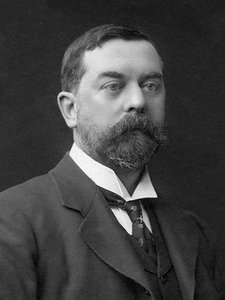
1856 - 1925 , Italija

Explore the life & art of John Singer Sargent, premier portraitist of the Gilded Age. Discover his Impressionistic masterpieces, technical brilliance, and enduring legacy. Expert insights for collectors.

Explore 25 iconic John Singer Sargent paintings – from dazzling portraits to Impressionist landscapes. Discover the stories behind Madame X, El Jaleo & more! Find museum-quality art reproductions and elevate your home decor with Most-Famous-Paintings.com.
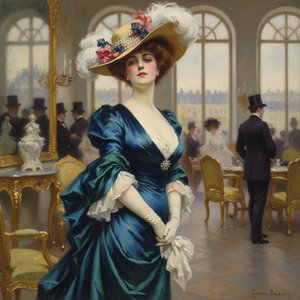
Explore the captivating world of Giovanni Boldini, master of Belle Époque portraiture. Discover his signature style, iconic works like 'Miss Bell,' and lasting influence on art history. Expert analysis for collectors.

Explore the profound artistic significance of sketches throughout history. From Renaissance masters to modern innovators like Van Gogh & Guston, discover how these foundational works reveal technique, emotion, and vision. Learn more at Most-Famous-Paintings.

Explore the rich history of drawing! Discover key techniques like linear perspective & iconic artists from the Renaissance to modern times. Enhance your art appreciation with Most-Famous-Paintings.


Sekite naujausias meno naujienas, išskirtinius pasiūlymus ir dekoravimo idėjas.
Pasakokite mums apie savo projektą, o mūsų meno ekspertai parengs jums 3 asmeniškus meno pasiūlymus.
Leiskite mums parinkti 3 variantus būtent jums – nemokamai!


 Dalintis


 Skaityti daugiau







 Stiklo variantas prieinamas tik pasirinkus dydį iki 110 cm