


x

 Aliejus ant drobėsSieninis menasRealism
 1899XIX amestas
 243.0 x 134.0 cm
 Kelvingrove meno galerija ir muziejus
Muziejų lygio „giclée“ arba drobos spausdinimas: greita gamyba ir lankstios apdailos parinktys. ( Pirkti rankomis tapytą paveikslą Pirkti vaizdą)
Pasirinkite iš mūsų nustatytų dydžių, atitinkančių originalaus meno kūrinio proporcijas.

Galite nurodyti savo matmenis, kad vaizdas atitiktų konkretų rėmą ar erdvę. Jei pasirinktas dydis nesutaps su originalaus paveikslėlio proporcijomis, mes arba apkirpsime kūrinį, arba išplėsime vaizdą naudojant veideliu atspindėtą arba vientisą šoną. Skaitmeninis maketas bus išsiųstas jums patvirtinti prieš pradedant gamybą.
Atkreipkite dėmesį, kad ekrane matomas vaizdinys neatspindi tikrojo apkirpimo ar išplėtimo. Tik maketas tiksliai parodytų galutinę kompoziciją.
Nors galima rinktis ir individualius dydžius, rekomenduojame pasirinkti vieną iš išanksti nustatytų matmenų, kad būtų išlaikytos originalios proporcijos.
Pristatymas visame pasaulyje () per 2 weeks, o ne įprastas 4/5 savaičių laikotarpis. (23 rugpjūtis)


Sir David Richmond
Reprodukcijos matmenys
The painting Sir David Richmond by John Singer Sargent stands as a powerful testament to the artist's exceptional skill in capturing not only physical likeness but also the essence of his subject’s character and social standing. Completed in 1899, this oil on canvas masterpiece, measuring 243 x 134 cm, resides within the esteemed Glasgow Art Gallery and Museum in Glasgow, United Kingdom.
John Singer Sargent (1856-1925) was a celebrated American artist renowned for his captivating portraits that exuded an air of elegance and sophistication. Born in Florence, Italy to American parents, Sargent’s itinerant childhood exposed him to diverse cultures and artistic influences across Europe. He studied under Carolus-Duran in Paris, mastering techniques that would define his career. Sargent became the preeminent portrait painter of his generation, sought after by prominent figures eager to secure a likeness reflecting their status and personality. Sir David Richmond exemplifies Sargent’s ability to blend realism with artistic flair, solidifying his legacy as a master of the genre.
The painting depicts Sir David Richmond, a distinguished figure in formal attire. He is portrayed standing confidently before a classical pillar, creating a sense of timeless authority. The focal point is his striking red coat, meticulously detailed with gold trim and showcasing the richness of the fabric through Sargent’s masterful brushwork. The use of light and shadow dramatically highlights Richmond's face and upper body, drawing the viewer's eye to his expression – one that conveys both dignity and a hint of contemplation. The background, subtly rendered, avoids distraction while providing depth and structure to the composition. Sargent’s attention to detail extends beyond the clothing; the texture of the pillar and the subtle nuances of Richmond’s features are all captured with remarkable precision.
Sir David Richmond is a prime example of Sargent’s adherence to realism, a style emphasizing accurate representation. The painting reflects the artistic trends prevalent in the United Kingdom during the 19th century, particularly the resurgence of portraiture and its association with depicting social status. The late Victorian and Edwardian eras valued formality and tradition, which is clearly reflected in this portrait. Sargent’s work aligns with this cultural climate, capturing a moment in time when individuals sought to immortalize their position within society through art. The painting's presence at the Glasgow Art Gallery and Museum further underscores its significance within British art history.
Beyond the technical brilliance, Sir David Richmond carries symbolic weight. The military uniform and decorations signify power, rank, and a connection to public service – Sir David Richmond served as Lord Provost of Glasgow. The overall impression is one of quiet authority and unwavering resolve. Sargent’s ability to convey these qualities through subtle nuances in expression and posture elevates the portrait beyond a mere likeness; it becomes an enduring representation of leadership and civic responsibility. The painting evokes a sense of admiration for a man who held a position of considerable influence, offering viewers a glimpse into the world of Edwardian aristocracy.

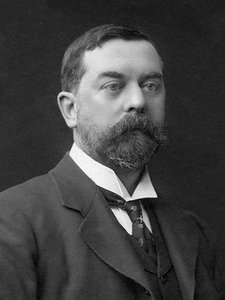
1856 - 1925 , Italija

Explore the profound impact of 19th-century Realism. Discover how masters like Gustave Courbet rejected idealism to capture the raw truth of contemporary life through direct observation and social commentary in this expert art history guide.


Sekite naujausias meno naujienas, išskirtinius pasiūlymus ir dekoravimo idėjas.
Pasakokite mums apie savo projektą, o mūsų meno ekspertai parengs jums 3 asmeniškus meno pasiūlymus.
Leiskite mums parinkti 3 variantus būtent jums – nemokamai!


 Peržiūrėti realybėje
 Pasidalinti
 Dalintis
 Išsamiau

 Atsisiųsti
 Panašūs eksponatai
 Rentgeno nuotrauka
 Automatinė diorama
 Skaityti daugiau




































 Stiklo variantas prieinamas tik pasirinkus dydį iki 110 cm


