Parduokite savo kūrybą
Trokimų sąrašas Prekių krepšelis Cart
x
Peržiūrėti realybėjePeržiūrėti realybėje Peržiūrėti ARPeržiūrėti AR Pirkti rankomis tapytą paveikslą Pirkti rankomis tapytą paveiksląPirkti vaizdą Pirkti vaizdą PasidalintiPasidalinti
IšsamiauIšsamiau Pridėti į mėgstamiausius Pridėti į mėgstamiausius AtsisiųstiAtsisiųsti Panašūs eksponataiPanašūs eksponatai Rentgeno nuotraukaRentgeno nuotrauka Automatinė dioramaAutomatinė diorama

Hedging and Ditching

Explore 'Hedging and Ditching' by J.M.W. Turner – a serene 18th-century engraving depicting rural life & pastoral beauty. A captivating example of Romantic landscape art.

Viljamas Terneris – Anglinės Romantizmo meistras, garsiai įtakingas kraštovaizdžio meno kūrėjas ir žymiausias XIX a. šviesos naudojimo artistas. Atraskite jo ikoninius paveikslus šiandien!

Giclée / Meno spausdinimas

Muziejų lygio „giclée“ arba drobos spausdinimas: greita gamyba ir lankstios apdailos parinktys. (Pirkti rankomis tapytą paveikslą Pirkti rankomis tapytą paveiksląPirkti vaizdą Pirkti vaizdą)

Standard
custom
CM
INCH

Pasirinkite iš mūsų nustatytų dydžių, atitinkančių originalaus meno kūrinio proporcijas.

plotis
aukštis

Galite nurodyti savo matmenis, kad vaizdas atitiktų konkretų rėmą ar erdvę. Jei pasirinktas dydis nesutaps su originalaus paveikslėlio proporcijomis, mes arba apkirpsime kūrinį, arba išplėsime vaizdą naudojant veideliu atspindėtą arba vientisą šoną. Skaitmeninis maketas bus išsiųstas jums patvirtinti prieš pradedant gamybą.
Atkreipkite dėmesį, kad ekrane matomas vaizdinys neatspindi tikrojo apkirpimo ar išplėtimo. Tik maketas tiksliai parodytų galutinę kompoziciją.
Nors galima rinktis ir individualius dydžius, rekomenduojame pasirinkti vieną iš išanksti nustatytų matmenų, kad būtų išlaikytos originalios proporcijos.

Pristatymas visame pasaulyje () per 2 weeks, o ne įprastas 4/5 savaičių laikotarpis. (18 rugpjūtis)

why_choose_icon
Nemokamas greitasis pristatymas visame pasaulyje
why_choose_icon
Aukštos kokybės lininis drobė
why_choose_icon
Pilnas siuntimo draudimas
why_choose_icon
Muitinės mokesčių grąžinimo garantija
why_choose_icon
Tikro spalvų atitikimo garantija
why_choose_icon
60 dienų grąžinimo politika (tik esant gamyklinėms defektams)
why_choose_icon
100% pinigų grąžinimo garantija
why_choose_icon
Nuolaida už kelias reprodukcijas

Visų darbų kaina

$ 68

reproduction

Hedging and Ditching

Giclée / Meno spausdinimas

Reprodukcijos matmenys

-

Galutinė kaina

$ 68


Autoriaus biografija

The Luminary of Light: A Journey Through the Life and Art of J.M.W. Turner

Joseph Mallord William Turner, a name synonymous with the sublime power of landscape and the evocative dance of light, remains one of Britain’s most celebrated and influential artists. Born in Covent Garden, London, in 1775, Turner's journey from a barber’s son to a master painter was fueled by an innate talent, relentless dedication, and a visionary spirit that would forever alter the course of art history. From his earliest days sketching architectural details to his later, almost abstract explorations of atmosphere and color, Turner consistently pushed the boundaries of artistic expression. His formal training began at the Royal Academy Schools in 1789, where he quickly distinguished himself as a promising student. However, Turner was not content with merely replicating established styles; he sought to capture the very essence of nature – its raw power, its fleeting beauty, and its inherent drama. Early works reveal a meticulous attention to topographical detail, reflecting the prevailing artistic tastes of the time. Yet, even in these early pieces, hints of his future direction are visible—a sensitivity to light and shadow, a willingness to experiment with color, and an emerging fascination with the sublime. He was particularly drawn to the Romantic movement’s emphasis on emotion and imagination, rejecting the neoclassical preoccupation with reason and order.

The Evolution of a Visionary: From Topography to Transcendence

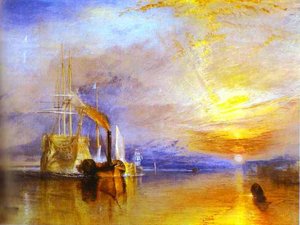
Turner's artistic development was marked by constant experimentation and a growing desire to move beyond mere representation. Influenced by masters like Claude Lorrain and J.M.W. Cozens, he began to infuse his landscapes with a romantic sensibility, emphasizing emotional response over precise depiction. His travels throughout Europe, beginning in 1802, proved pivotal, exposing him to diverse landscapes and inspiring new approaches to composition and color. He wasn’t simply recording what he saw; he was interpreting it through the lens of his own unique vision. These expeditions broadened his artistic horizons and solidified his belief that art should strive for something beyond mere visual accuracy—a profound connection with the natural world and an expression of human experience. The early 19th century witnessed a shift in Turner's style towards greater expressiveness. His seascapes, in particular, became increasingly dramatic, capturing the fury and majesty of the ocean with unprecedented intensity. Paintings like “The Fighting Temeraire Tugged to Her Last Berth to Be Broken Up” (1839) are not merely depictions of a ship being towed to its final resting place; they are poignant meditations on mortality, loss, and the relentless march of progress. The use of light in this work is particularly striking—a golden sunset casting a melancholic glow over the scene, symbolizing the passing of an era. Turner skillfully employed *Impasto* technique – applying thick layers of paint to create textural surfaces that conveyed movement and emotion.

A Master of Atmosphere: Light, Color, and the Sublime

Turner’s later works are characterized by an almost radical departure from traditional artistic conventions. He increasingly prioritized atmosphere and color over form and detail, creating paintings that seem to dissolve into pure light and energy. Works like “Rain, Steam and Speed – The Great Western Railway” (1844) exemplify this approach—a swirling vortex of color and motion that captures the dynamism of the industrial age. Critics were often baffled by these later works, but their influence on subsequent generations of artists would prove profound. Turner wasn’t simply painting landscapes; he was attempting to convey the very *feeling* of being in nature – the awe, the wonder, the terror—a pursuit that anticipated the Impressionists' focus on capturing fleeting moments and subjective perceptions.
  • Notable Works: “The Fighting Temeraire Tugged to Her Last Berth to Be Broken Up”, “Rain, Steam and Speed – The Great Western Railway”, “Ruins of Tintern Abbey”
  • Influences: Claude Lorrain, J.M.W. Cozens
  • Technique: Impasto (thick paint application), Atmospheric Perspective
Turner's willingness to challenge conventions, his relentless experimentation, and his unwavering commitment to artistic vision continue to resonate with artists and art lovers today. He remains a pivotal figure in the development of modern art, a true visionary who transformed the way we see and experience the world around us. His works are housed in major museums worldwide, including the Tate Britain in London, where visitors can immerse themselves in the luminous beauty and profound emotional depth of his extraordinary paintings. Explore more of Turner’s works at Most-Famous-Paintings.com/@/williamturner and discover his world through the Tate Collection: /lt/art/show/art-d3c5y9-lt/
Viljamas Terneris

Viljamas Terneris

1775 - 1851 , Didžioji Britanija

Trumpa informacija

  • Artistic Movement Or Style: Romantizmas
  • Artists Or Movements Influenced By This Artist: ['Claude Lorrain']
  • Date Of Birth: Balandžio 23, 1775
  • Date Of Death: Gruodžio 19, 1851
  • Full Name: Joseph Mallord William Turner
  • Nationality: Britas
  • Notable Artworks:
    • Šiovė Širmas
    • Didžiojo vakarų geležinkelio paveiksla
  • Place Of Birth: Londonas, Didžioji Britanija
Tyrinėkite meno kūrinius, suskirstytus pagal temas, stilius ir savybes.