


x

Muziejų lygio „giclée“ arba drobos spausdinimas: greita gamyba ir lankstios apdailos parinktys. ( Pirkti rankomis tapytą paveikslą Pirkti vaizdą)
Pasirinkite iš mūsų nustatytų dydžių, atitinkančių originalaus meno kūrinio proporcijas.

Galite nurodyti savo matmenis, kad vaizdas atitiktų konkretų rėmą ar erdvę. Jei pasirinktas dydis nesutaps su originalaus paveikslėlio proporcijomis, mes arba apkirpsime kūrinį, arba išplėsime vaizdą naudojant veideliu atspindėtą arba vientisą šoną. Skaitmeninis maketas bus išsiųstas jums patvirtinti prieš pradedant gamybą.
Atkreipkite dėmesį, kad ekrane matomas vaizdinys neatspindi tikrojo apkirpimo ar išplėtimo. Tik maketas tiksliai parodytų galutinę kompoziciją.
Nors galima rinktis ir individualius dydžius, rekomenduojame pasirinkti vieną iš išanksti nustatytų matmenų, kad būtų išlaikytos originalios proporcijos.
Pristatymas visame pasaulyje () per 2 weeks, o ne įprastas 4/5 savaičių laikotarpis. (25 rugpjūtis)


Oval, rectangle, square, curve
Reprodukcijos matmenys
Kazimir Malevich (1878-1935), a titan of Russian avant-garde art and arguably the father of Suprematism, stands as an iconoclast who irrevocably altered the trajectory of 20th-century visual culture. His seminal work, “Oval, rectangle, square, curve,” created in 1920, embodies the core tenets of this revolutionary movement—a deliberate rejection of representational imagery in favor of pure geometric abstraction and a profound exploration of fundamental visual elements stripped bare of illusion.
The artwork’s immediate impact is one of striking simplicity. Centered on the canvas, Malevich presents a carefully orchestrated arrangement featuring an oval dominating the upper left quadrant, followed by a rectangle and square positioned below it. Thin lines intersect these forms, establishing a structural framework that simultaneously conveys order and maintains a sense of spontaneity—a characteristic born from Malevich’s desire to capture ‘feeling’ itself rather than depicting external reality.
Executed in charcoal or another dry drawing medium on paper, “Oval, rectangle, square, curve” exemplifies Malevich's meticulous approach. The artist skillfully employs hatching and crosshatching techniques to imbue the shapes with texture and depth—particularly noticeable within the oval—creating a visual richness that belies its apparent austerity. This deliberate layering of lines contributes to a dynamic interplay between light and shadow, mirroring Malevich’s conviction that art should transcend mere imitation.
Malevich's Suprematism wasn’t merely about simplifying forms; it represented a radical philosophical stance. Rejecting the conventions of Cubism and Futurism, he argued that painting should liberate itself from the constraints of depicting objects or landscapes. Instead, artists should focus on ‘pure feeling,’ expressed through basic geometric shapes—the oval, rectangle, square, and curve—as symbols of universal concepts like existence and infinity.
"Oval, rectangle, square, curve" resonates with a palpable tension. While the composition exudes tranquility through its balanced arrangement and muted palette, it simultaneously challenges viewers to confront the absence of recognizable imagery—a deliberate provocation designed to elicit contemplation about the fundamental nature of perception and artistic expression. Malevich’s unwavering commitment to abstraction continues to inspire artists and collectors alike, cementing “Oval, rectangle, square, curve” as a cornerstone of modern art history.

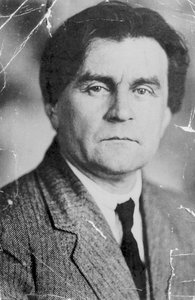
1878 - 1935 , Ukraina

Explore the radical world of Suprematism. Discover how Kazimir Malevich revolutionized modern art through pure geometric abstraction, non-objective form, and the supremacy of feeling. An essential guide for art students and collectors seeking deep historical context.

Explore the profound impact of Minimalism and Geometric Abstraction. From Mondrian to Malevich, discover how stripping art to its essential forms revolutionized modern aesthetics through our expert-led historical guide.

Discover the profound intersection of geometry and emotion in Cubist Expressionism. Explore art history through our expert analysis of modern masters and find museum-quality, hand-painted oil reproductions of iconic masterpieces for your collection.


Sekite naujausias meno naujienas, išskirtinius pasiūlymus ir dekoravimo idėjas.
Pasakokite mums apie savo projektą, o mūsų meno ekspertai parengs jums 3 asmeniškus meno pasiūlymus.
Leiskite mums parinkti 3 variantus būtent jums – nemokamai!


 Peržiūrėti realybėje
 Pasidalinti
 Dalintis
 Išsamiau

 Atsisiųsti
 Panašūs eksponatai
 Rentgeno nuotrauka
 Automatinė diorama

 Skaityti daugiau




































 Stiklo variantas prieinamas tik pasirinkus dydį iki 110 cm


