x

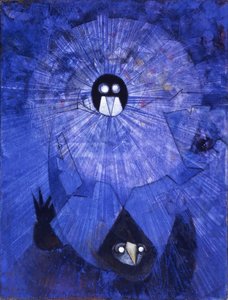
 1964
1964 183.0 x 245.0 cm
Muziejų lygio „giclée“ arba drobos spausdinimas: greita gamyba ir lankstios apdailos parinktys. ( Pirkti rankomis tapytą paveikslą Pirkti vaizdą)
Pasirinkite iš mūsų nustatytų dydžių, atitinkančių originalaus meno kūrinio proporcijas.

Galite nurodyti savo matmenis, kad vaizdas atitiktų konkretų rėmą ar erdvę. Jei pasirinktas dydis nesutaps su originalaus paveikslėlio proporcijomis, mes arba apkirpsime kūrinį, arba išplėsime vaizdą naudojant veideliu atspindėtą arba vientisą šoną. Skaitmeninis maketas bus išsiųstas jums patvirtinti prieš pradedant gamybą.
Atkreipkite dėmesį, kad ekrane matomas vaizdinys neatspindi tikrojo apkirpimo ar išplėtimo. Tik maketas tiksliai parodytų galutinę kompoziciją.
Nors galima rinktis ir individualius dydžius, rekomenduojame pasirinkti vieną iš išanksti nustatytų matmenų, kad būtų išlaikytos originalios proporcijos.
Pristatymas visame pasaulyje () per 2 weeks, o ne įprastas 4/5 savaičių laikotarpis. (15 rugpjūtis)


Night
Reprodukcijos matmenys

Kiki Kogelnik (1935–1997) was a pivotal Austrian painter, sculptor, and printmaker. Born in Blagoveshchensk, Austria, she received her artistic training at the Vienna Academy of Fine Arts. This foundational education provided her with the technical skills that would later be employed in her innovative and often provocative works.
Kogelnik’s early career, beginning in 1961 at Galerie nächst St. Stephan in Vienna, was marked by abstract compositions. Initially, she drew inspiration from artists like Serge Poliakoff of the École de Paris. However, Kogelnik quickly developed her own distinct style, moving away from pure abstraction and embracing the emerging Pop Art aesthetic. While often categorized within Pop Art, she frequently expressed reservations about being solely defined by this movement.
Throughout her career, Kogelnik explored a range of themes including technology, consumerism, and – particularly in the 1970s – the representation of women in media. Her work is characterized by vibrant colors, bold shapes, and a playful yet critical approach to societal norms. She frequently utilized materials like vinyl and plastic, reflecting her interest in modern industrial processes.
Kogelnik achieved significant recognition during her lifetime, exhibiting widely in Europe and the United States. A large retrospective of her work was held at the Belvedere Museum in Vienna in 1997, shortly after her death. In 1998, she was posthumously awarded Austria’s highest decoration for services to the country – the Decoration of Honour for Services to the Republic of Austria – a testament to her lasting impact on Austrian art and culture.
Kiki Kogelnik is considered one of Austria's most important Pop-related artists. Her work challenged conventional artistic boundaries and offered a unique perspective on the social and political landscape of the 20th century. She paved the way for future generations of female artists, particularly those interested in exploring feminist themes and challenging societal expectations. Her innovative use of materials and her willingness to experiment with different forms continue to inspire artists today.
Kiki Kogelnik passed away on February 1, 1997, in Vienna due to cancer. She is buried in Bleiburg, Austria. Her legacy continues through her artwork, which remains highly sought after by collectors and museums worldwide.

1935 - 1997 , Austria


Sekite naujausias meno naujienas, išskirtinius pasiūlymus ir dekoravimo idėjas.
Pasakokite mums apie savo projektą, o mūsų meno ekspertai parengs jums 3 asmeniškus meno pasiūlymus.
Leiskite mums parinkti 3 variantus būtent jums – nemokamai!


 Peržiūrėti realybėje
 Pasidalinti
 Dalintis
 Išsamiau

 Atsisiųsti
 Panašūs eksponatai
 Rentgeno nuotrauka
 Automatinė diorama
 Skaityti daugiau




































 Stiklo variantas prieinamas tik pasirinkus dydį iki 110 cm