x

 Preview
 Užsisakyti kopiją Pirkti skaitmeninį paveikslą
 Pasidalinti
 Išsamiau
 Pridėti į mėgstamiausius
 Atsisiųsti
 Panašūs eksponatai
 Rentgeno nuotrauka
 Automatinė diorama
Muziejų lygio „giclée“ arba drobos spausdinimas: greita gamyba ir lankstios apdailos parinktys.





























Pasirinkite iš mūsų nustatytų dydžių, atitinkančių originalaus meno kūrinio proporcijas.

Galite nurodyti savo matmenis, kad vaizdas atitiktų konkretų rėmą ar erdvę. Jei pasirinktas dydis nesutaps su originalaus paveikslėlio proporcijomis, mes arba apkirpsime kūrinį, arba išplėsime vaizdą naudojant veideliu atspindėtą arba vientisą šoną. Skaitmeninis maketas bus išsiųstas jums patvirtinti prieš pradedant gamybą.
Atkreipkite dėmesį, kad ekrane matomas vaizdinys neatspindi tikrojo apkirpimo ar išplėtimo. Tik maketas tiksliai parodytų galutinę kompoziciją.
Nors galima rinktis ir individualius dydžius, rekomenduojame pasirinkti vieną iš išanksti nustatytų matmenų, kad būtų išlaikytos originalios proporcijos.
Pristatymas visame pasaulyje () per 2 weeks, o ne įprastas 4/5 savaičių laikotarpis. (23 liepa)


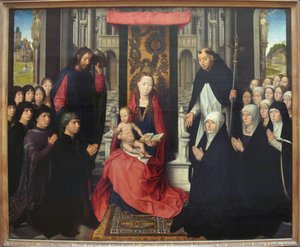
The Trinity
Reprodukcijos matmenys
Lucas Cranach the Elder's “The Trinity,” painted around 1515, stands as a cornerstone of Northern Renaissance art—a testament to both masterful craftsmanship and profound theological contemplation. More than just a depiction of biblical scripture, this monumental altarpiece embodies the spirit of its time, reflecting the anxieties and aspirations surrounding the burgeoning Protestant Reformation while simultaneously showcasing Cranach’s unparalleled ability to convey emotion and psychological nuance.
Created during a turbulent era marked by religious reform and political maneuvering, “The Trinity” reflects the intellectual fervor of its time. Cranach’s patronage by Frederick III underscores the importance of royal commissions in shaping artistic trends—demonstrating how art served as a vehicle for conveying ideological messages. The painting's subject matter – the Holy Trinity – resonated deeply with Protestant theologians who sought to reaffirm faith in God’s unity and transcendence amidst the challenges posed by papal authority.
"The Trinity" transcends mere visual representation; it aspires to evoke a profound emotional response in the viewer. Cranach’s masterful use of color—particularly blues and golds—creates an atmosphere of solemn grandeur, fostering contemplation and reverence. The painting's stillness contrasts sharply with the dynamism of the crucifixion scene itself, prompting reflection on themes of faith, sacrifice, and divine love. It remains a powerful reminder of humanity’s yearning for spiritual connection and understanding.


1472 - 1553 , Vokietija

Explore the Northern Renaissance! Discover Jan van Eyck's innovations, religious shifts, & key artists of this influential period. Expert analysis and insights into Early Netherlandish painting at Most-Famous-Paintings.

Journey into the world of Early Netherlandish painting! Explore 10 masterpieces by Jan van Eyck, Rogier van der Weyden & more. Discover stunning detail, symbolism & Renaissance art for your home decor. Find museum-quality reproductions on Most-Famous-Paintings.com

Explore the rich history of oil on panel painting! Discover Renaissance techniques, support construction, & the enduring legacy of this masterful art form. Expert insights for collectors and enthusiasts.

Journey into the Early Netherlandish Renaissance! Explore 10 iconic paintings by Jan van Eyck, Rogier van der Weyden & more. Discover stunning detail, symbolism, and oil painting techniques. Find museum-quality art reproductions for your home at Most-Famous-Paintings.com.
Atraskite 25 įspūdingiausius Rafaelio paveikslus! Išsami istorija, technikos ir meno stiliai. Renesanso tapybos šedevrai jūsų interjerui – aukštos kokybės reprodukcijos Most-Famous-Paintings.com. Explore the full collection online!


Sekite naujausias meno naujienas, išskirtinius pasiūlymus ir dekoravimo idėjas.
Pasakokite mums apie savo projektą, o mūsų meno ekspertai parengs jums 3 asmeniškus meno pasiūlymus.
Leiskite mums parinkti 3 variantus būtent jums – nemokamai!


 Dalintis


 Skaityti daugiau







 Stiklo variantas prieinamas tik pasirinkus dydį iki 110 cm