


x


 Pirkti atspaudą Pirkti skaitmeninį paveikslą
 Pasidalinti
 Išsamiau
 Pridėti į mėgstamiausius
 Atsisiųsti
 Panašūs eksponatai
 Rentgeno nuotrauka
 Automatinė diorama
 Acrylic On CanvasWallArtSpatial Expressionism
 1957
1957 180.0 x 97.0 cm
 Boschi Di Stefano namų muziejus
Rankiniu būdu tapytas aliejus ant droblio jūsų pageidaujamame dydį ir rėmuose – mūsų menininkų darbas pagal užsakymą.





























Pasirinkite iš mūsų nustatytų dydžių, atitinkančių originalaus meno kūrinio proporcijas.

Galite įvesti savo matmenis, kad jie atitiktų konkretų rėmą ar erdvę. Jei pasirinktas dydis neatitinka originalaus paveikslėlio proporcijų, mes arba apkropsime meno kūrinį, arba papildysime tapybą rankomis dažytい elementais. Prieš pradėdami gamybą, jūsų patvirtinimui atsiųsime skaitmeninį maketą.
Atkreipkite dėmesį, kad ekrane rodomas vaizdas neatspindi tikrojo apkarpymo ar papildymo. Tik maketas tiksliai parodys galutinę kompoziciją.
Nors galima rinktis ir individualius dydžius, rekomenduojame pasirinkti matmenis iš nustatytos sąrašo, kad būtų išlaikytos originalios proporcijos.
Pristatymas visame pasaulyje () per 3–4 savaites, o ne įprastai – per 5 savaites. (22 liepa). Kokybė lieka nepakeičiama.


Spatial Concept
Reprodukcijos matmenys
Lucio Fontana’s “Spatial Concept,” created in 1957, stands as a cornerstone of Spatialism—a movement that fundamentally challenged the conventions of Western art after World War II. More than just a painting; it's an audacious gesture toward dismantling the perceived limitations of traditional representation and embracing the boundless potential of artistic expression.
The artwork itself is dominated by a large, roughly circular form rendered in shades of brown punctuated with numerous small dots. This seemingly simple composition belies its profound significance. Fontana’s deliberate use of tonal variations creates an illusion of depth and texture—particularly noticeable in the impasto technique applied to the central circle.
Fontana's technique involved layering paint onto canvas with precision, creating visible ridges and textures that contribute to the artwork’s physicality. The dots scattered across the circle serve as visual disruptions—interpreted by many as representations of stars or punctures in reality – furthering Fontana’s exploration of spatial concepts.
“Spatial Concept” transcends mere visual aesthetics; it embodies Fontana's intellectual conviction that art must engage with the universe beyond perception. As noted in MoMA’s gallery label, Fontana sought to “reach out into its surroundings,” mirroring the spirit of innovation prevalent during his era and cementing his legacy as a visionary artist who irrevocably altered the course of modern art.

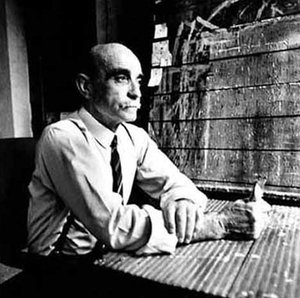
1899 - 1968 , Argentina

Discover the profound emotional depth and investment potential of contemporary abstraction. Our expert guide explores how texture, movement, and form create timeless value for discerning art collectors and sophisticated interiors.
Master the nuances of abstract art with our expert guide. Explore the profound emotional depth of non-objective forms, from Abstract Expressionism to Color Field painting, and learn how to curate impactful, sophisticated masterpieces for your private collection.


Sekite naujausias meno naujienas, išskirtinius pasiūlymus ir dekoravimo idėjas.
Pasakokite mums apie savo projektą, o mūsų meno ekspertai parengs jums 3 asmeniškus meno pasiūlymus.
Leiskite mums parinkti 3 variantus būtent jums – nemokamai!


 Dalintis

 Skaityti daugiau







 Stiklo variantas prieinamas tik pasirinkus dydį iki 110 cm


