


x


 Preview
 Pirkti atspaudą Pirkti skaitmeninį paveikslą
 Pasidalinti
 Išsamiau
 Pridėti į mėgstamiausius
 Atsisiųsti
 Panašūs eksponatai
 Rentgeno nuotrauka
 Automatinė diorama
Rankiniu būdu tapytas aliejus ant droblio jūsų pageidaujamame dydį ir rėmuose – mūsų menininkų darbas pagal užsakymą.





























Pasirinkite iš mūsų nustatytų dydžių, atitinkančių originalaus meno kūrinio proporcijas.

Galite įvesti savo matmenis, kad jie atitiktų konkretų rėmą ar erdvę. Jei pasirinktas dydis neatitinka originalaus paveikslėlio proporcijų, mes arba apkropsime meno kūrinį, arba papildysime tapybą rankomis dažytい elementais. Prieš pradėdami gamybą, jūsų patvirtinimui atsiųsime skaitmeninį maketą.
Atkreipkite dėmesį, kad ekrane rodomas vaizdas neatspindi tikrojo apkarpymo ar papildymo. Tik maketas tiksliai parodys galutinę kompoziciją.
Nors galima rinktis ir individualius dydžius, rekomenduojame pasirinkti matmenis iš nustatytos sąrašo, kad būtų išlaikytos originalios proporcijos.
Pristatymas visame pasaulyje () per 3–4 savaites, o ne įprastai – per 5 savaites. (26 liepa). Kokybė lieka nepakeičiama.


(Untitled)
Reprodukcijos matmenys
Man Ray's "Untitled" wristwatch photograph is more than just a depiction of an object; it’s a distilled meditation on time, perception, and the quiet beauty of geometric form. Created by the American artist during his prolific Parisian years – roughly between 1920 and 1930 – this piece embodies the core tenets of Surrealism and Dadaism while simultaneously showcasing Ray's mastery of photographic technique. It’s a work that invites contemplation, demanding a slow gaze to fully appreciate its stark elegance and subtle complexities.
Born Emmanuel Radnitzky in Philadelphia in 1890, Man Ray's artistic journey was one of constant reinvention. Initially drawn to painting, he found himself profoundly influenced by the radical ideas circulating within New York’s avant-garde scene – particularly those championed by Marcel Duchamp and the Dada movement. This encounter ignited a shift towards photography, which he quickly embraced as a means of exploring new visual languages. Ray wasn't simply documenting reality; he was actively manipulating it, employing techniques like rayographs (photograms) to create abstract images that defied conventional representation. His work during this period reflects a deliberate rejection of traditional artistic norms, embracing experimentation and challenging the very definition of art itself.
The photograph’s power lies in its deceptively simple composition. A pristine white wristwatch dominates the frame, suspended against a muted grey background. Ray's use of light is masterful – even and diffused, it eliminates harsh shadows and allows the watch’s form to emerge with remarkable clarity. The circular face, rendered almost transparent, reveals the intricate mechanics within, hinting at the precision and complexity hidden beneath its polished surface. The two thin white lines anchoring the watch are not merely functional; they create a sense of precarious balance, emphasizing the object's isolation and drawing the viewer’s eye directly to its central form. The photograph appears to be a studio shot, meticulously crafted for reproduction – a testament to Ray’s attention to detail and his understanding of how images would be disseminated.
Beyond its formal qualities, “Untitled” carries a potent symbolic weight. The wristwatch, an emblem of time itself, becomes a focal point for contemplation on mortality, the relentless passage of moments, and perhaps even the illusion of control over our lives. Its suspended state suggests a detachment from immediate experience, inviting us to consider the broader context of existence. Ray’s choice of minimalist imagery – reducing the watch to its essential geometric elements – elevates it beyond a mere timepiece, transforming it into an object of aesthetic contemplation. The photograph's quiet isolation mirrors the feeling of being alone with one's thoughts, prompting introspection and a deeper awareness of our own fleeting presence in the world.
Man Ray’s “Untitled” wristwatch is a pivotal work within his oeuvre, representing a high point of his exploration into abstraction and photographic innovation. It exemplifies his willingness to challenge conventions, embrace experimentation, and push the boundaries of artistic expression. Reproductions of this piece offer a captivating glimpse into the mind of a true visionary – an artist who not only captured images but also imbued them with profound meaning and enduring beauty. Its timeless appeal makes it a compelling addition to any collection, serving as both a striking visual statement and a poignant meditation on the nature of time itself.


1890 - 1976 , Jungtinės Amerikos Valstijos
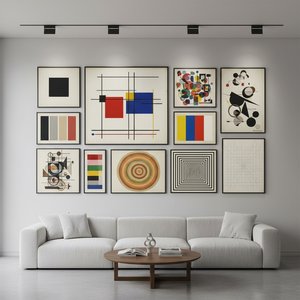
Atraskite 10 geometrinės abstrakcijos šedevrų – nuo Mondriano iki Malevičiaus! Sužinokite apie Piet Mondrian, Kazimir Malevič ir kitus menininkus. Meno kūriniai jūsų interjerui | Most-Famous-Paintings.com
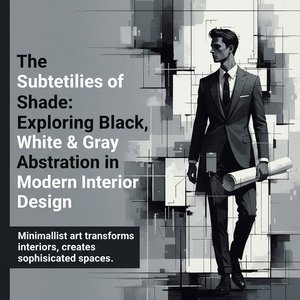
Explore the power of black, white & gray abstraction in modern interior design. Discover how minimalist art impacts spatial perception & creates sophisticated hotel spaces. Expert insights for designers.

Find serenity with 10 minimalist masterpieces! Explore Agnes Martin, Rothko & more. Discover the stories behind iconic abstract art, neutral palettes & calming designs. Museum-quality reproductions at Most-Famous-Paintings.com – elevate your home decor today!
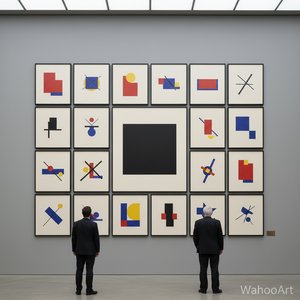
Atraskite 25 įspūdingiausius Kazimiro Malevičiaus kūrinius! Suprematizmo meistras, Juodas kvadratas ir kiti šedevrai. Įkvėpkite interjero idėjų su abstraktaus meno reprodukcijomis – Most-Famous-Paintings.com
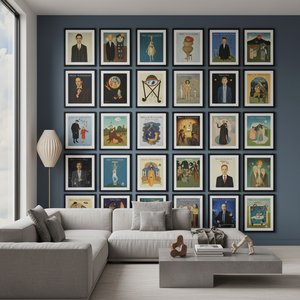
Atraskite 25 įspūdingiausius René Magritte kūrinius! Sužinokite apie siurrealizmo meistro paveikslų istoriją, techniką ir įkvėpimą. Meno reprodukcijos jūsų interjerui – Most-Famous-Paintings.com. Explore the full collection online!


Sekite naujausias meno naujienas, išskirtinius pasiūlymus ir dekoravimo idėjas.
Pasakokite mums apie savo projektą, o mūsų meno ekspertai parengs jums 3 asmeniškus meno pasiūlymus.
Leiskite mums parinkti 3 variantus būtent jums – nemokamai!


 Dalintis


 Skaityti daugiau







 Stiklo variantas prieinamas tik pasirinkus dydį iki 110 cm


