x

 LithographNaive Art / Primitivism
 1968Modern
 41.0 x 35.0 cm
Rankiniu būdu tapytas aliejus ant droblio jūsų pageidaujamame dydį ir rėmuose – mūsų menininkų darbas pagal užsakymą. ( Pirkti spaudinį Pirkti vaizdą)





























Pasirinkite iš mūsų nustatytų dydžių, atitinkančių originalaus meno kūrinio proporcijas.

Galite įvesti savo matmenis, kad jie atitiktų konkretų rėmą ar erdvę. Jei pasirinktas dydis neatitinka originalaus paveikslėlio proporcijų, mes arba apkropsime meno kūrinį, arba papildysime tapybą rankomis dažytい elementais. Prieš pradėdami gamybą, jūsų patvirtinimui atsiųsime skaitmeninį maketą.
Atkreipkite dėmesį, kad ekrane rodomas vaizdas neatspindi tikrojo apkarpymo ar papildymo. Tik maketas tiksliai parodys galutinę kompoziciją.
Nors galima rinktis ir individualius dydžius, rekomenduojame pasirinkti matmenis iš nustatytos sąrašo, kad būtų išlaikytos originalios proporcijos.
Pristatymas visame pasaulyje () per 3–4 savaites, o ne įprastai – per 5 savaites. (18 rugpjūtis). Kokybė lieka nepakeičiama.


Arlequins playing
Reprodukcijos matmenys
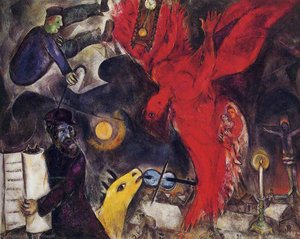
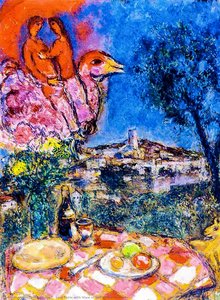
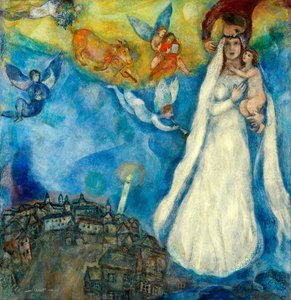
Marc Chagall's "Arlequins playing," created in 1968, isn’t merely a depiction of figures on horseback; it’s an invitation to step inside the artist’s extraordinarily vivid imagination. Executed as a lithograph – a technique favored by Chagall for its ability to capture subtle tonal variations and reproduce images with remarkable clarity – this artwork embodies the very essence of Naïve Art, or Primitivism.
This style, born from the rejection of formal academic training, prioritizes direct observation and emotional expression over meticulous realism. Artists like Chagall who embrace Primitivism distill their experiences into simplified forms, vibrant colors, and dreamlike narratives that transcend literal representation. It’s a deliberate departure from convention, seeking instead to tap into primal instincts and convey profound spiritual truths.
The painting's visual impact is immediately arresting. At 41 x 35 cm, “Arlequins playing” presents a dynamic scene populated by at least nine individuals – a man confidently riding a horse amidst this lively tableau. Scattered around him are seated figures and those who wander about, creating an atmosphere of movement and interconnectedness. Notably, a clock dominates the upper left corner, serving as a poignant reminder of time’s passage against the backdrop of fantastical imagery.
Chagall skillfully employs lithography to achieve his artistic vision. This printing process involves transferring ink from a stone onto paper through pressure, resulting in prints that possess exceptional detail and tonal accuracy. The artist's masterful use of color – predominantly blues, yellows, and reds – contributes significantly to the painting’s emotive power. These hues aren’t merely decorative; they are imbued with symbolic meaning rooted in Chagall’s Jewish heritage and his fascination with folklore.
Beyond its visual splendor, “Arlequins playing” resonates with layers of symbolism. Objects like a bowl positioned near the bottom right corner, a vase adorning the top right area, and two books resting on the ground enrich the narrative, hinting at themes of memory, contemplation, and perhaps even biblical allusion. Chagall’s artistic journey began in Vitebsk, Belarus—a town steeped in cultural traditions that profoundly influenced his aesthetic sensibilities.
His early years were marked by hardship and displacement during periods of political upheaval, experiences which undoubtedly shaped his worldview. Yet, despite these challenges, Chagall remained steadfastly committed to exploring the realm of dreams and imagination – a commitment that defines his enduring legacy as one of the most celebrated artists of the 20th century.
"Arlequins playing" stands as a testament to Chagall’s ability to transform personal experience into universal emotion. It's an artwork that invites contemplation and encourages viewers to consider the complexities of human existence, rendered with breathtaking beauty and imbued with the spirit of Primitivism—a style that continues to inspire artists and collectors alike.

1887 - 1985 , Baltarusija

Explore the profound history and technical mastery of woodcut relief printing. From ancient origins to German Expressionism, discover how artists use the subtractive process to create iconic works. A definitive guide for art students, collectors, and historians.

Discover the technical mastery behind Most-Famous-Paintings.com's premium Giclée canvas prints. Our guide for elite collectors explores archival pigment inks, museum-grade substrates, and the science of high-fidelity reproduction to ensure lasting beauty and historical accuracy.


Sekite naujausias meno naujienas, išskirtinius pasiūlymus ir dekoravimo idėjas.
Pasakokite mums apie savo projektą, o mūsų meno ekspertai parengs jums 3 asmeniškus meno pasiūlymus.
Leiskite mums parinkti 3 variantus būtent jums – nemokamai!


 Peržiūrėti realybėje
 Pasidalinti
 Dalintis
 Išsamiau

 Atsisiųsti
 Panašūs eksponatai
 Rentgeno nuotrauka
 Automatinė diorama
 Skaityti daugiau







 Stiklo variantas prieinamas tik pasirinkus dydį iki 110 cm