x

 Oil On CanvasWallArtSurrealist Style
 1926Modern
 47.0 x 65.0 cm
Rankiniu būdu tapytas aliejus ant droblio jūsų pageidaujamame dydį ir rėmuose – mūsų menininkų darbas pagal užsakymą. ( Pirkti spaudinį Pirkti vaizdą)





























Pasirinkite iš mūsų nustatytų dydžių, atitinkančių originalaus meno kūrinio proporcijas.

Galite įvesti savo matmenis, kad jie atitiktų konkretų rėmą ar erdvę. Jei pasirinktas dydis neatitinka originalaus paveikslėlio proporcijų, mes arba apkropsime meno kūrinį, arba papildysime tapybą rankomis dažytい elementais. Prieš pradėdami gamybą, jūsų patvirtinimui atsiųsime skaitmeninį maketą.
Atkreipkite dėmesį, kad ekrane rodomas vaizdas neatspindi tikrojo apkarpymo ar papildymo. Tik maketas tiksliai parodys galutinę kompoziciją.
Nors galima rinktis ir individualius dydžius, rekomenduojame pasirinkti matmenis iš nustatytos sąrašo, kad būtų išlaikytos originalios proporcijos.
Pristatymas visame pasaulyje () per 3–4 savaites, o ne įprastai – per 5 savaites. (21 rugpjūtis). Kokybė lieka nepakeičiama.


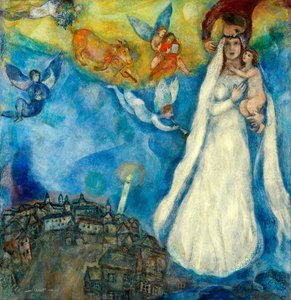
Bella in Mourillon
Reprodukcijos matmenys
Marc Chagall’s “Bella in Mourillon,” painted in 1926 during his Parisian exile, stands as a poignant emblem of Surrealism—a movement that sought to liberate the imagination from rational constraints. More than just a depiction of a woman holding flowers, this artwork delves into profound themes of grief, remembrance, and the enduring power of dreams, cementing Chagall’s place among the most influential artists of the 20th century.
Symbolism: The bouquet of flowers serves as a powerful symbol of mourning and remembrance, mirroring Bella's sorrowful expression. However, their vibrant colors – predominantly white, pink, and green – introduce an element of hope amidst the darkness, suggesting that beauty can endure even in times of grief. The clock on the wall—a recurring motif in Chagall’s oeuvre—represents the relentless march of time and underscores the inevitability of change. Similarly, the book symbolizes knowledge and contemplation, inviting viewers to engage with themes of memory and introspection.
Emotional Impact: “Bella in Mourillon” succeeds in capturing a palpable sense of melancholy and tenderness. Chagall’s masterful manipulation of color and form evokes feelings of nostalgia and invites contemplation on universal human experiences—namely loss, love, and the yearning for connection. It's a piece that lingers in the mind long after viewing, prompting reflection on the complexities of life and the importance of preserving cherished memories.

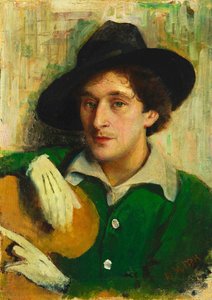
1887 - 1985 , Baltarusija

Explore the profound history and technical brilliance of oil on panel painting. From Renaissance masters to modern techniques, discover why this rigid support offers unparalleled precision and permanence for fine art lovers and collectors.


Sekite naujausias meno naujienas, išskirtinius pasiūlymus ir dekoravimo idėjas.
Pasakokite mums apie savo projektą, o mūsų meno ekspertai parengs jums 3 asmeniškus meno pasiūlymus.
Leiskite mums parinkti 3 variantus būtent jums – nemokamai!


 Peržiūrėti realybėje
 Pasidalinti
 Dalintis
 Išsamiau

 Atsisiųsti
 Panašūs eksponatai
 Rentgeno nuotrauka
 Automatinė diorama
 Skaityti daugiau







 Stiklo variantas prieinamas tik pasirinkus dydį iki 110 cm