


x

 AcrylicWallArtSurrealist Sketch
 1966
1966 14.0 x 11.0 cm
Rankiniu būdu tapytas aliejus ant droblio jūsų pageidaujamame dydį ir rėmuose – mūsų menininkų darbas pagal užsakymą. ( Pirkti spaudinį Pirkti vaizdą)





























Pasirinkite iš mūsų nustatytų dydžių, atitinkančių originalaus meno kūrinio proporcijas.

Galite įvesti savo matmenis, kad jie atitiktų konkretų rėmą ar erdvę. Jei pasirinktas dydis neatitinka originalaus paveikslėlio proporcijų, mes arba apkropsime meno kūrinį, arba papildysime tapybą rankomis dažytい elementais. Prieš pradėdami gamybą, jūsų patvirtinimui atsiųsime skaitmeninį maketą.
Atkreipkite dėmesį, kad ekrane rodomas vaizdas neatspindi tikrojo apkarpymo ar papildymo. Tik maketas tiksliai parodys galutinę kompoziciją.
Nors galima rinktis ir individualius dydžius, rekomenduojame pasirinkti matmenis iš nustatytos sąrašo, kad būtų išlaikytos originalios proporcijos.
Pristatymas visame pasaulyje () per 3–4 savaites, o ne įprastai – per 5 savaites. (22 rugpjūtis). Kokybė lieka nepakeičiama.


Study to ''Exodus''
Reprodukcijos matmenys
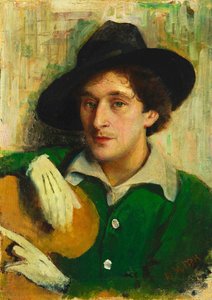
Marc Chagall's “Study to ‘Exodus’” offers a glimpse into the artist’s creative process and embodies his signature Surrealist style—a realm where dreamlike imagery intertwines with recognizable forms, creating an arresting visual experience. Executed in 1966, this sketch represents not merely a depiction of a person but a distillation of Chagall's enduring fascination with biblical narratives and the profound influence of Jewish folklore.
Born in Vitebsk, Belarus—a town steeped in Orthodox Christian tradition yet vibrant with Jewish cultural life—Chagall’s artistic sensibility was profoundly shaped by this duality. The sketch reflects the artist’s preoccupation with themes of displacement and longing, mirroring the experiences of many Jewish emigrants during his lifetime.
The prominent figure in “Study to ‘Exodus’” is rendered with a striking oversized nose—a recurring motif in Chagall's oeuvre. This deliberate exaggeration serves as a visual shorthand for vulnerability and perhaps hints at the artist’s own anxieties about identity and belonging. Furthermore, the background sketch incorporates elements of landscape—likely referencing Vitebsk—suggesting that Chagall sought to capture not just a physical place but also its emotional essence.
"Study to ‘Exodus’” transcends mere visual depiction; it’s an invitation to contemplate the complexities of human experience and the transformative power of artistic imagination. Like many of Chagall’s works, this sketch evokes a sense of melancholy beauty—a poignant reminder that art can communicate truths beyond words, resonating with viewers on a deeply personal level.

1887 - 1985 , Baltarusija

Explore the profound depths of Surrealism through a scholarly lens. Discover the symbolism, history, and technical brilliance behind masterpieces by Salvador Dalí and other icons. Gain expert insights into the dreamlike subconscious and the enduring legacy of Surrealist art.

Explore the profound depths of Surrealism. From Dalí’s dreamscapes to Magritte’s enigmas, master the history of the subconscious mind through our expert art guide and discover museum-quality oil reproductions of the world's most iconic surrealist masterpieces.

Explore the profound depths of Surrealism with our expert guide. From Dalí's dreamscapes to Breton's manifesto, uncover the history, symbolism, and technical mastery of this revolutionary movement. Perfect for students and collectors seeking deep art-historical insight.


Sekite naujausias meno naujienas, išskirtinius pasiūlymus ir dekoravimo idėjas.
Pasakokite mums apie savo projektą, o mūsų meno ekspertai parengs jums 3 asmeniškus meno pasiūlymus.
Leiskite mums parinkti 3 variantus būtent jums – nemokamai!


 Peržiūrėti realybėje
 Pasidalinti
 Dalintis
 Išsamiau

 Atsisiųsti
 Panašūs eksponatai
 Rentgeno nuotrauka
 Automatinė diorama
 Skaityti daugiau







 Stiklo variantas prieinamas tik pasirinkus dydį iki 110 cm


