x

 Acrylic On CanvasWallArtSurrealist Dreamscape
Surrealism
Acrylic On CanvasWallArtSurrealist Dreamscape
Surrealism 1930
1930 65.0 x 32.0 cm
Rankiniu būdu tapytas aliejus ant droblio jūsų pageidaujamame dydį ir rėmuose – mūsų menininkų darbas pagal užsakymą. ( Pirkti spaudinį Pirkti vaizdą)





























Pasirinkite iš mūsų nustatytų dydžių, atitinkančių originalaus meno kūrinio proporcijas.

Galite įvesti savo matmenis, kad jie atitiktų konkretų rėmą ar erdvę. Jei pasirinktas dydis neatitinka originalaus paveikslėlio proporcijų, mes arba apkropsime meno kūrinį, arba papildysime tapybą rankomis dažytい elementais. Prieš pradėdami gamybą, jūsų patvirtinimui atsiųsime skaitmeninį maketą.
Atkreipkite dėmesį, kad ekrane rodomas vaizdas neatspindi tikrojo apkarpymo ar papildymo. Tik maketas tiksliai parodys galutinę kompoziciją.
Nors galima rinktis ir individualius dydžius, rekomenduojame pasirinkti matmenis iš nustatytos sąrašo, kad būtų išlaikytos originalios proporcijos.
Pristatymas visame pasaulyje () per 3–4 savaites, o ne įprastai – per 5 savaites. (12 rugpjūtis). Kokybė lieka nepakeičiama.


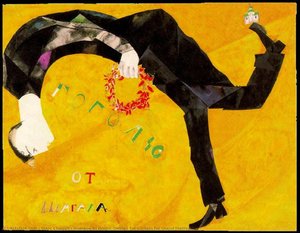
The Acrobat
Reprodukcijos matmenys
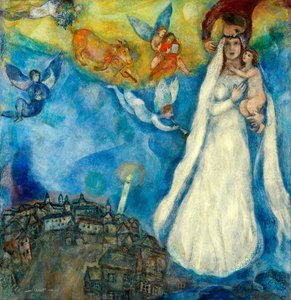
Marc Chagall’s “The Acrobat,” painted in 1930 during the height of his Surrealist experimentation, isn't merely a depiction of an acrobatic performance; it’s a profound meditation on flight, vulnerability, and the elusive nature of recollection. Created in Vitebsk, Belarus—a town deeply ingrained in Chagall’s artistic consciousness—the painting embodies the artist’s signature blend of Jewish folklore and dreamlike imagery.
Historical Context: Chagall’s artistic output coincided with the burgeoning Surrealist movement spearheaded by André Breton, reacting against rationalism and embracing the subconscious mind. Vitebsk experienced significant upheaval during this period due to pogroms (violent anti-Jewish riots), adding a layer of emotional resonance to Chagall's creative process.
Emotional Impact: “The Acrobat” evokes a sense of wonder and melancholy simultaneously. Its dreamlike atmosphere compels viewers to confront questions about identity, loss, and the transformative power of imagination. The painting's luminous colors and dynamic composition convey an urgent desire for movement—a yearning to escape limitations and embrace the boundless possibilities inherent in the human spirit.
Ultimately, Chagall’s “The Acrobat” transcends its formal elements—tempera paint, flattened perspective—to deliver an enduring message about the human condition: that even amidst darkness and uncertainty, beauty persists, fueled by the unwavering belief in dreams and the courage to embrace the unpredictable dance of life.

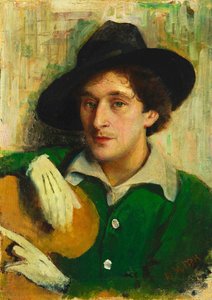
1887 - 1985 , Baltarusija


Sekite naujausias meno naujienas, išskirtinius pasiūlymus ir dekoravimo idėjas.
Pasakokite mums apie savo projektą, o mūsų meno ekspertai parengs jums 3 asmeniškus meno pasiūlymus.
Leiskite mums parinkti 3 variantus būtent jums – nemokamai!


 Peržiūrėti realybėje
 Pasidalinti
 Dalintis
 Išsamiau

 Atsisiųsti
 Panašūs eksponatai
 Rentgeno nuotrauka
 Automatinė diorama
 Skaityti daugiau







 Stiklo variantas prieinamas tik pasirinkus dydį iki 110 cm