x


 Preview
 Pirkti atspaudą Pirkti skaitmeninį paveikslą
 Pasidalinti
 Išsamiau
 Pridėti į mėgstamiausius
 Atsisiųsti
 Panašūs eksponatai
 Rentgeno nuotrauka
 Automatinė diorama
 Acrylic On CanvasWallArtProto-Cubism
 1911Modern
 146.0 x 114.0 cm
Rankiniu būdu tapytas aliejus ant droblio jūsų pageidaujamame dydį ir rėmuose – mūsų menininkų darbas pagal užsakymą.





























Pasirinkite iš mūsų nustatytų dydžių, atitinkančių originalaus meno kūrinio proporcijas.

Galite įvesti savo matmenis, kad jie atitiktų konkretų rėmą ar erdvę. Jei pasirinktas dydis neatitinka originalaus paveikslėlio proporcijų, mes arba apkropsime meno kūrinį, arba papildysime tapybą rankomis dažytい elementais. Prieš pradėdami gamybą, jūsų patvirtinimui atsiųsime skaitmeninį maketą.
Atkreipkite dėmesį, kad ekrane rodomas vaizdas neatspindi tikrojo apkarpymo ar papildymo. Tik maketas tiksliai parodys galutinę kompoziciją.
Nors galima rinktis ir individualius dydžius, rekomenduojame pasirinkti matmenis iš nustatytos sąrašo, kad būtų išlaikytos originalios proporcijos.
Pristatymas visame pasaulyje () per 3–4 savaites, o ne įprastai – per 5 savaites. (24 liepa). Kokybė lieka nepakeičiama.


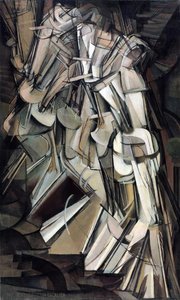
Portrait (Dulcinea)
Reprodukcijos matmenys
Marcel Duchamp's “Portrait (Dulcinea),” completed in 1911, stands as a cornerstone of Proto-Cubism and embodies the artist’s audacious challenge to conventional artistic representation. More than just a depiction of a woman—a figure glimpsed fleetingly on Parisian streets—it’s an exploration of time, movement, and the very essence of perception itself. Duchamp's decision to elevate an ordinary porcelain urinal to the status of art cemented his legacy as one of the most influential figures in modern art.
Born Henri Robert Marcel Duchamp in 1887, Duchamp initially pursued formal training, mastering traditional techniques before rejecting them altogether. He recognized that true innovation lay not in replicating reality but in interrogating its underlying structure. “Portrait (Dulcinea)” exemplifies this approach, drawing heavily from Étienne-Jules Marey’s and Eadweard Muybridge’s pioneering chronophotography experiments—a technique aimed at capturing movement—and translating it into a visual language. The painting abandons single viewpoint perspective, presenting five women simultaneously in successive positions, each subtly shifting attire as if stripped over time.
Measuring 146 x 114 cm, the canvas is dominated by five women arranged in a dynamic tableau. Each figure possesses distinct characteristics—long hair flowing down her back, short hair, and varied poses—reflecting Duchamp’s meticulous observation of the human form. The artist skillfully employs geometric shapes to fragment the figures, mirroring the Cubist preoccupation with dissecting objects into constituent parts. The limited color palette – earthy tones – reinforces this sense of austerity and contributes to the painting's contemplative mood.
“Portrait (Dulcinea)” transcends mere visual representation; it operates on a symbolic level, hinting at Duchamp’s fascination with concepts like time and transformation. The gradual diminution of clothing across the five women symbolizes a process of unveiling—a stripping away of superficial layers to reveal an underlying essence. This deliberate gesture aligns with Duchamp's broader artistic philosophy, questioning accepted notions of beauty and challenging viewers to reconsider their understanding of art.
Duchamp’s groundbreaking vision profoundly impacted subsequent artists, including Joseph Cornell, Baroness Elsa von Freytag-Loringhoven, and Andy Warhol. His playful self-representation—particularly his depiction of Dulcinea—inspired countless likenesses by other creatives, securing his place as a pivotal figure in the history of art. “Portrait (Dulcinea)” foreshadows Duchamp’s monumental *Nude Descending a Staircase, No. 2* and *The Large Glass*, demonstrating his unwavering commitment to pushing artistic boundaries.
Currently housed at the Philadelphia Museum of Art, this remarkable artwork continues to inspire debate and admiration, cementing Duchamp's enduring legacy as an artist who fundamentally reshaped the landscape of modern art.


1887 - 1968 , Prancūzija

Explore 10 iconic portrait paintings – from Mona Lisa to Van Gogh’s self-portraits. Discover the stories behind these masterpieces, artistic techniques & find museum-quality art reproductions for your home at Most-Famous-Paintings.com.

Atraskite 25 įspūdingiausius Francis Bacon paveikslus! Gilūs portretai, ekspresionizmo spalvos ir sielos gilumos istorijos. Meno kolekcija jūsų interjerui – Most-Famous-Paintings.com.

Explore the captivating world of vintage portrait art! Discover styles, techniques & the enduring appeal of 19th-century masterpieces. Expert restoration, custom reproductions & appraisal services at Most-Famous-Paintings.

Explore 10 revolutionary Cubist portraits by Picasso, Braque & more! Discover the stories behind these iconic paintings and how they shaped modern art. Find museum-quality reproductions to elevate your home decor on Most-Famous-Paintings.com.

Commission a timeless oil portrait from skilled artists at Most-Famous-Paintings. Preserve your family's legacy with museum-quality paintings, crafted to cherish for generations. Expert guidance & personalized service.


Sekite naujausias meno naujienas, išskirtinius pasiūlymus ir dekoravimo idėjas.
Pasakokite mums apie savo projektą, o mūsų meno ekspertai parengs jums 3 asmeniškus meno pasiūlymus.
Leiskite mums parinkti 3 variantus būtent jums – nemokamai!


 Dalintis

 Skaityti daugiau







 Stiklo variantas prieinamas tik pasirinkus dydį iki 110 cm