x

Rankiniu būdu tapytas aliejus ant droblio jūsų pageidaujamame dydį ir rėmuose – mūsų menininkų darbas pagal užsakymą. ( Pirkti spaudinį Pirkti vaizdą)
Pasirinkite iš mūsų nustatytų dydžių, atitinkančių originalaus meno kūrinio proporcijas.

Galite įvesti savo matmenis, kad jie atitiktų konkretų rėmą ar erdvę. Jei pasirinktas dydis neatitinka originalaus paveikslėlio proporcijų, mes arba apkropsime meno kūrinį, arba papildysime tapybą rankomis dažytい elementais. Prieš pradėdami gamybą, jūsų patvirtinimui atsiųsime skaitmeninį maketą.
Atkreipkite dėmesį, kad ekrane rodomas vaizdas neatspindi tikrojo apkarpymo ar papildymo. Tik maketas tiksliai parodys galutinę kompoziciją.
Nors galima rinktis ir individualius dydžius, rekomenduojame pasirinkti matmenis iš nustatytos sąrašo, kad būtų išlaikytos originalios proporcijos.
Pristatymas visame pasaulyje () per 3–4 savaites, o ne įprastai – per 5 savaites. (19 rugpjūtis). Kokybė lieka nepakeičiama.


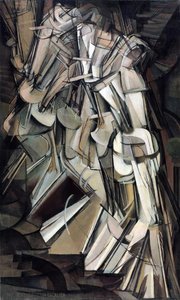
Rotating glass plate (optical precision)
Reprodukcijos matmenys
Marcel Duchamp's "Rotating Glass Plate (Optical Precision)" stands as a cornerstone of Conceptual Art, challenging conventional notions of artistic creation and prompting viewers to reconsider the very essence of perception. Created in 1920, this deceptively simple sculpture—a painted demisphere mounted on a velvet-covered disk and driven by an electric motor—represents more than just a mechanical device; it embodies Duchamp’s profound interrogation of visual experience.
The sculpture's triangular easel provides stability while simultaneously directing the viewer's gaze towards the central element—the rotating glass plate. The careful arrangement of components contributes to a sense of balance and symmetry, despite the inherent complexity of the machine. From a slightly elevated perspective, one observes the entirety of the apparatus with clarity, allowing for an appreciation of its geometric precision.
"Rotating Glass Plate" firmly establishes Duchamp as a pioneer of Conceptual Art, rejecting representational painting in favor of exploring ideas and challenging artistic conventions. Like his seminal work “Fountain,” it exemplifies the Dada movement’s rejection of accepted artistic standards and its embrace of chance and provocation—a legacy that continues to inspire artists today.
Ultimately, Duchamp's masterpiece compels us to contemplate how we perceive the world around us. “Rotating Glass Plate” isn’t merely a beautiful object; it’s an invitation to question what constitutes art and to consider the role of intellect in artistic expression—a timeless contribution to the history of modern art.


1887 - 1968 , Prancūzija

Explore the radical origins of Dadaism. From the chaos of WWI to Marcel Duchamp's revolutionary readymades, discover how this anti-art movement dismantled tradition and birthed modern conceptual art. An essential guide for students and collectors of fine art history.

Explore the science of Op Art through the lens of masters like Victor Vasarely. Discover how geometric abstraction uses optical illusions to create movement and delve into the neuroaesthetics of perception with our expert art history guide.

Explore the scientific revolution of Neo-Impressionism. Discover how Georges Seurat and Paul Signac utilized optical mixing and color theory to redefine light and perception through the precise techniques of Pointillism and Divisionism.


Sekite naujausias meno naujienas, išskirtinius pasiūlymus ir dekoravimo idėjas.
Pasakokite mums apie savo projektą, o mūsų meno ekspertai parengs jums 3 asmeniškus meno pasiūlymus.
Leiskite mums parinkti 3 variantus būtent jums – nemokamai!


 Peržiūrėti realybėje
 Pasidalinti
 Dalintis
 Išsamiau

 Atsisiųsti
 Panašūs eksponatai
 Rentgeno nuotrauka
 Automatinė diorama
 Skaityti daugiau




































 Stiklo variantas prieinamas tik pasirinkus dydį iki 110 cm