x

Rankiniu būdu tapytas aliejus ant droblio jūsų pageidaujamame dydį ir rėmuose – mūsų menininkų darbas pagal užsakymą. ( Pirkti spaudinį Pirkti vaizdą)





























Pasirinkite iš mūsų nustatytų dydžių, atitinkančių originalaus meno kūrinio proporcijas.

Galite įvesti savo matmenis, kad jie atitiktų konkretų rėmą ar erdvę. Jei pasirinktas dydis neatitinka originalaus paveikslėlio proporcijų, mes arba apkropsime meno kūrinį, arba papildysime tapybą rankomis dažytい elementais. Prieš pradėdami gamybą, jūsų patvirtinimui atsiųsime skaitmeninį maketą.
Atkreipkite dėmesį, kad ekrane rodomas vaizdas neatspindi tikrojo apkarpymo ar papildymo. Tik maketas tiksliai parodys galutinę kompoziciją.
Nors galima rinktis ir individualius dydžius, rekomenduojame pasirinkti matmenis iš nustatytos sąrašo, kad būtų išlaikytos originalios proporcijos.
Pristatymas visame pasaulyje () per 3–4 savaites, o ne įprastai – per 5 savaites. (21 rugpjūtis). Kokybė lieka nepakeičiama.


Leaf Insect
Reprodukcijos matmenys
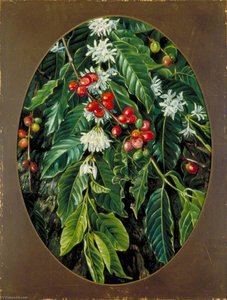
In the delicate dance between predator and prey, few subjects offer as much visual enchantment as the Leaf Insect, captured here in an exquisite oil painting by the intrepid Victorian explorer Marianne North. Created in 1876, this work serves as a breathtaking window into a world where biology and artistry converge. The insect is positioned with commanding presence at the heart of the composition, its wings spread wide to reveal a complex architecture of veins and textures that mirror the very foliage it inhabits. This masterful use of mimicry is not merely a biological fact but a painterly triumph, as North utilizes vibrant, lively pigments to breathe life into the specimen, making the creature appear almost palpable to the viewer.
The surrounding environment is a lush tapestry of verdant greens and deep shadows, where leaves are scattered with a deliberate, organic rhythm. Some foliage presses close to the insect, creating an intimate sense of scale, while others recede into the background, providing a profound sense of depth and botanical density. This layered approach ensures that the eye is constantly moving, drawn from the intricate details of the insect's anatomy to the broader, sweeping textures of the surrounding flora. The overall composition achieves a rare equilibrium, where the focal point remains undisputed, yet the periphery is rich with enough detail to sustain long periods of contemplative study.
To understand the soul of this painting, one must look toward the life of its creator. Marianne North was far from a traditional studio painter; she was a woman of extraordinary courage who traversed continents to document the world's flora in their natural habitats. This piece is a testament to her scientific eye and her romantic heart. Unlike the stiff, formal botanical illustrations of her era, North’s technique embraces a sense of movement and vitality. Her brushwork captures the ephemeral quality of light filtering through a jungle canopy, imbuing the Leaf Insect with an emotional resonance that transcends mere documentation.
For the discerning collector or interior designer, this artwork offers more than just aesthetic beauty; it provides a connection to the golden age of natural history. The painting carries a profound symbolism of resilience and adaptation, reflecting the insect's ability to disappear within its environment—a metaphor that resonates deeply in our modern, fast-paced world. Bringing a high-quality reproduction of this work into a living space introduces a sense of organic tranquility and intellectual depth, making it an ideal centerpiece for those who wish to surround themselves with the timeless wonders of the natural kingdom.


1830 - 1890 , Jungtinė Karalystė

Discover the exquisite world of Victorian botanical painting. Explore the intersection of scientific precision and artistic elegance through the works of masters like Marianne North, and learn how to bring this timeless natural beauty into your home with museum-quality reproductions.

Explore the exquisite world of botanical realism. From the Victorian legacy of Marianne North to masterfully hand-painted oil reproductions, discover how timeless floral art brings elegance and nature's precision into your home collection.


Sekite naujausias meno naujienas, išskirtinius pasiūlymus ir dekoravimo idėjas.
Pasakokite mums apie savo projektą, o mūsų meno ekspertai parengs jums 3 asmeniškus meno pasiūlymus.
Leiskite mums parinkti 3 variantus būtent jums – nemokamai!


 Peržiūrėti realybėje
 Pasidalinti
 Dalintis
 Išsamiau

 Atsisiųsti
 Panašūs eksponatai
 Rentgeno nuotrauka
 Automatinė diorama

 Skaityti daugiau







 Stiklo variantas prieinamas tik pasirinkus dydį iki 110 cm