x
 Preview
 Užsisakyti kopiją Pirkti skaitmeninį paveikslą
 Pasidalinti
 Išsamiau
 Pridėti į mėgstamiausius
 Atsisiųsti
 Panašūs eksponatai
 Rentgeno nuotrauka
 Automatinė diorama
 Akrilas ant drobėsSienų dekoracijosColor Field Abstraction
 1948Modernizmas
 98.0 x 100.0 cm
Muziejų lygio „giclée“ arba drobos spausdinimas: greita gamyba ir lankstios apdailos parinktys.





























Pasirinkite iš mūsų nustatytų dydžių, atitinkančių originalaus meno kūrinio proporcijas.

Galite nurodyti savo matmenis, kad vaizdas atitiktų konkretų rėmą ar erdvę. Jei pasirinktas dydis nesutaps su originalaus paveikslėlio proporcijomis, mes arba apkirpsime kūrinį, arba išplėsime vaizdą naudojant veideliu atspindėtą arba vientisą šoną. Skaitmeninis maketas bus išsiųstas jums patvirtinti prieš pradedant gamybą.
Atkreipkite dėmesį, kad ekrane matomas vaizdinys neatspindi tikrojo apkirpimo ar išplėtimo. Tik maketas tiksliai parodytų galutinę kompoziciją.
Nors galima rinktis ir individualius dydžius, rekomenduojame pasirinkti vieną iš išanksti nustatytų matmenų, kad būtų išlaikytos originalios proporcijos.
Pristatymas visame pasaulyje () per 2 weeks, o ne įprastas 4/5 savaičių laikotarpis. (23 liepa)


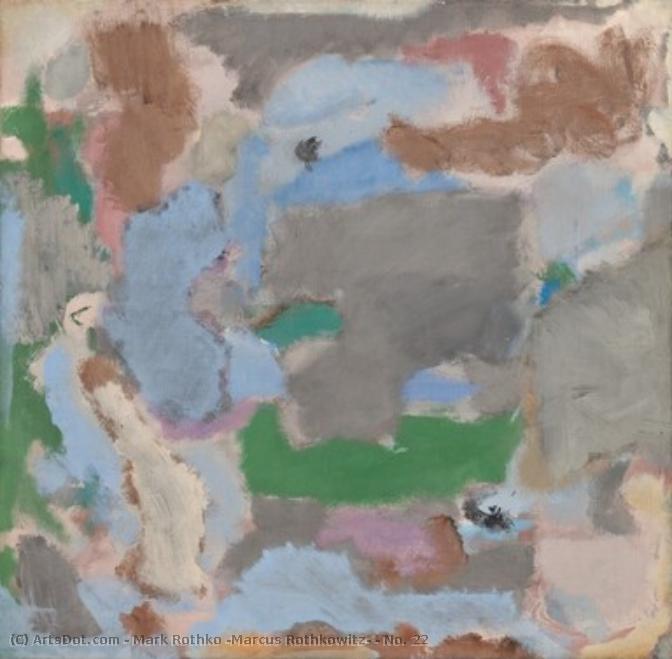
No. 22
Reprodukcijos matmenys
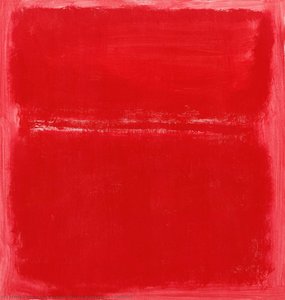
Mark Rothko's ‘No. 22’, painted in 1948, is not merely an artwork; it’s an invitation to contemplation, a visual poem rendered in layered hues and textured surfaces. Measuring 98 x 100 cm, this piece stands as a pivotal moment in the artist’s transition towards his signature Color Field style – a style that would come to define Abstract Expressionism and profoundly influence generations of artists. Before reaching this iconic aesthetic, Rothko wrestled with figuration and mythological narratives, responding to the anxieties of a world scarred by war. ‘No. 22’ embodies this transitional period, hinting at earlier concerns while simultaneously pushing towards the emotional resonance that would characterize his later work. The canvas isn't a pristine surface but a palimpsest of artistic exploration, bearing witness to Rothko’s deliberate process and evolving vision.
Born Marcus Yakovlevich Rothkowitz in Latvia in 1903, Rothko carried the weight of cultural displacement with him when his family immigrated to America. This early experience, coupled with his father’s intellectual leanings and exposure to Marxist thought, instilled within him a deep sensitivity to human condition and a desire to express profound emotional truths through art. ‘No. 22’ reflects this sensibility. While seemingly abstract, the painting isn't devoid of meaning; rather, it transcends literal representation to tap into universal feelings. The composition—a delicate interplay of blues, pinks, greens, browns, and yellows—isn’t about depicting a scene but evoking a mood. The gouged lines within the central red band are particularly striking, adding a gestural quality that hints at both vulnerability and strength. These aren't accidental marks; they are deliberate interventions, carefully considered and reworked, suggesting a struggle to articulate something deeply felt.
Rothko’s technique in ‘No. 22’ is crucial to understanding its emotional impact. He didn’t simply apply paint to canvas; he built up layers of color, allowing them to interact and breathe. This layering creates a luminous quality, drawing the viewer into the depths of the painting. The rough texture of the canvas itself becomes an integral part of the work, adding a tactile dimension that enhances its presence. The edges of the colored forms are deliberately blurred, creating a sense of ambiguity and inviting the eye to wander across the surface. This lack of defined boundaries isn’t a flaw but a deliberate strategy—it prevents the painting from becoming too fixed or literal, allowing it to remain open to interpretation. The effect is akin to looking through a veil, glimpsing something profound yet ultimately elusive. The artist's intention wasn't to offer answers, but to provoke questions and encourage introspection.
‘No. 22’ stands as a testament to Rothko’s belief in the power of art to communicate on a deeply emotional level. His later works, particularly those housed within the Rothko Chapel in Houston, Texas, further solidified this commitment. The chapel itself is designed as a space for contemplation and spiritual experience, mirroring the immersive quality of his paintings. While ‘No. 22’ predates the chapel, it shares its underlying ethos—a desire to create art that transcends the material world and speaks directly to the soul. For collectors and interior designers alike, a reproduction of this work offers more than just aesthetic appeal; it provides a focal point for reflection, a source of quiet contemplation in an increasingly chaotic world. It’s a piece that invites viewers to slow down, breathe deeply, and connect with their own inner landscape.
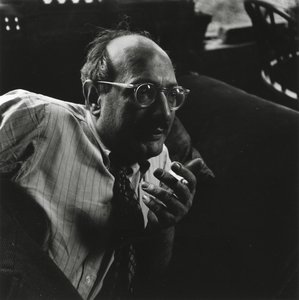
1903 - 1970 , Latvija

Explore the life & work of Jacob Kainen, a pivotal figure in American Abstract Expressionism and Color Field painting. Discover his journey from Social Realism to vibrant abstraction and lasting influence on 20th-century art.
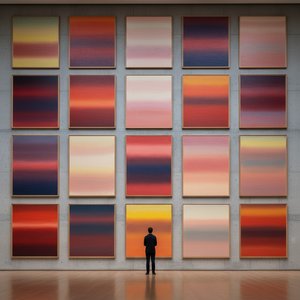
Atraskite 25 įspūdingiausius Mark Rothko kūrinius! Gilinkitės į abstraktaus meno spalvų laukus, ekspresionizmą ir jaustmingas tapybas. Meno reprodukcijos aukščiausia kokybe – Most-Famous-Paintings.com

Explore the profound spiritual resonance of Color Field Painting with insights into Rothko, Newman & Still. Discover the techniques & legacy of this influential abstract art movement.

Explore the captivating world of Beatrice Parsons, a pioneering British abstract expressionist. Discover her journey from garden watercolors to evocative color field paintings and learn about her place within art history.

Explore the profound emotional depth of Mark Rothko's abstract expressionism. Discover the history, techniques & lasting impact of this pivotal Color Field painter. Expert insights for collectors and art enthusiasts.


Sekite naujausias meno naujienas, išskirtinius pasiūlymus ir dekoravimo idėjas.
Pasakokite mums apie savo projektą, o mūsų meno ekspertai parengs jums 3 asmeniškus meno pasiūlymus.
Leiskite mums parinkti 3 variantus būtent jums – nemokamai!


 Dalintis

 Skaityti daugiau







 Stiklo variantas prieinamas tik pasirinkus dydį iki 110 cm