x

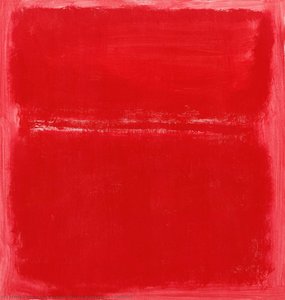
Rankiniu būdu tapytas aliejus ant droblio jūsų pageidaujamame dydį ir rėmuose – mūsų menininkų darbas pagal užsakymą. ( Pirkti spaudinį Pirkti vaizdą)





























Pasirinkite iš mūsų nustatytų dydžių, atitinkančių originalaus meno kūrinio proporcijas.

Galite įvesti savo matmenis, kad jie atitiktų konkretų rėmą ar erdvę. Jei pasirinktas dydis neatitinka originalaus paveikslėlio proporcijų, mes arba apkropsime meno kūrinį, arba papildysime tapybą rankomis dažytい elementais. Prieš pradėdami gamybą, jūsų patvirtinimui atsiųsime skaitmeninį maketą.
Atkreipkite dėmesį, kad ekrane rodomas vaizdas neatspindi tikrojo apkarpymo ar papildymo. Tik maketas tiksliai parodys galutinę kompoziciją.
Nors galima rinktis ir individualius dydžius, rekomenduojame pasirinkti matmenis iš nustatytos sąrašo, kad būtų išlaikytos originalios proporcijos.
Pristatymas visame pasaulyje () per 3–4 savaites, o ne įprastai – per 5 savaites. (16 rugpjūtis). Kokybė lieka nepakeičiama.


Untitled (10)
Reprodukcijos matmenys
Mark Rothko’s “Yellow and Red,” painted in 1960, stands as a cornerstone of color field painting—a movement that revolutionized artistic expression in the mid-20th century. More than just pigment on canvas, this artwork embodies a profound exploration of human psychology and spiritual contemplation, inviting viewers to engage in an introspective dialogue with its luminous hues.
The Technique Employed: Rothko achieved his distinctive effect through a meticulous layering process—applying thin washes of color onto the canvas in multiple passes. This method ensured optimal diffusion and blending, resulting in an ethereal glow that distinguishes “Yellow and Red” from conventional painting styles. He famously described his technique as "painting with feeling," emphasizing the importance of conveying emotion rather than replicating visual reality.
“Yellow and Red” emerged during a period of significant artistic upheaval—the postwar era witnessed a rejection of Abstract Expressionism’s gestural dynamism in favor of calmer, more contemplative forms. Rothko's work aligned with the broader trend toward introspection and spiritual inquiry that characterized the time, reflecting anxieties about nuclear proliferation and existential uncertainty.
While Rothko himself resisted interpretations of his paintings as laden with symbolic significance, “Yellow and Red” undeniably evokes associations with warmth, vitality, and passion—represented by the yellow hue. Simultaneously, the red stripe symbolizes strength, courage, and perhaps even sacrifice—creating a dynamic interplay between opposing forces.
Rothko’s intention was not to depict anything specific but rather to offer viewers an opportunity for personal experience—a chance to confront their own emotions and contemplate fundamental questions about existence.Viewing “Yellow and Red” is akin to embarking on a meditative voyage into inner space. The painting’s luminous colors induce a state of receptivity, inviting contemplation and fostering a sense of serenity. Its ambiguous forms encourage viewers to project their own interpretations onto the canvas—creating a uniquely individualized encounter with art.

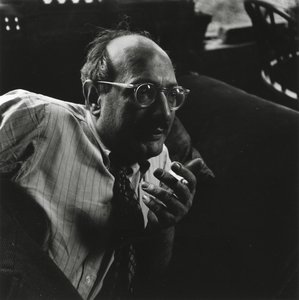
1903 - 1970 , Latvija

Explore the profound emotional depth of Color Field painting. Discover the history of mid-century abstraction, from Rothko to Newman, and learn how pure color transforms the viewer's experience through our expert art history guide.

Explore the profound history and emotional depth of Color Field painting. From Mark Rothko to Barnett Newman, discover how pure color redefined modern art through our expert-led guide for students and collectors alike.
Explore the profound emotional depth of Lyrical Abstraction. Discover how masters like Raymond Parker used color and form to bridge Impressionism and Abstract Expressionism. Learn about this pivotal movement through our expert-led art history guide.


Sekite naujausias meno naujienas, išskirtinius pasiūlymus ir dekoravimo idėjas.
Pasakokite mums apie savo projektą, o mūsų meno ekspertai parengs jums 3 asmeniškus meno pasiūlymus.
Leiskite mums parinkti 3 variantus būtent jums – nemokamai!


 Peržiūrėti realybėje
 Pasidalinti
 Dalintis
 Išsamiau

 Atsisiųsti
 Panašūs eksponatai
 Rentgeno nuotrauka
 Automatinė diorama
 Skaityti daugiau







 Stiklo variantas prieinamas tik pasirinkus dydį iki 110 cm