x


 Preview
 Pirkti atspaudą Pirkti skaitmeninį paveikslą
 Pasidalinti
 Išsamiau
 Pridėti į mėgstamiausius
 Atsisiųsti
 Panašūs eksponatai
 Rentgeno nuotrauka
 Automatinė diorama
Rankiniu būdu tapytas aliejus ant droblio jūsų pageidaujamame dydį ir rėmuose – mūsų menininkų darbas pagal užsakymą.





























Pasirinkite iš mūsų nustatytų dydžių, atitinkančių originalaus meno kūrinio proporcijas.

Galite įvesti savo matmenis, kad jie atitiktų konkretų rėmą ar erdvę. Jei pasirinktas dydis neatitinka originalaus paveikslėlio proporcijų, mes arba apkropsime meno kūrinį, arba papildysime tapybą rankomis dažytい elementais. Prieš pradėdami gamybą, jūsų patvirtinimui atsiųsime skaitmeninį maketą.
Atkreipkite dėmesį, kad ekrane rodomas vaizdas neatspindi tikrojo apkarpymo ar papildymo. Tik maketas tiksliai parodys galutinę kompoziciją.
Nors galima rinktis ir individualius dydžius, rekomenduojame pasirinkti matmenis iš nustatytos sąrašo, kad būtų išlaikytos originalios proporcijos.
Pristatymas visame pasaulyje () per 3–4 savaites, o ne įprastai – per 5 savaites. (27 liepa). Kokybė lieka nepakeičiama.


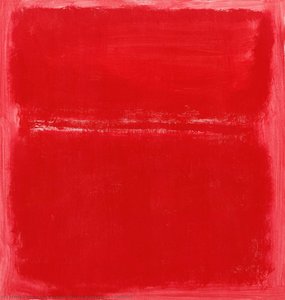
Untitled 120
Reprodukcijos matmenys
“Untitled 120” presents a deceptively simple composition – two stark red rectangles delineated by crisp white borders. Yet, within this apparent minimalism lies a profound meditation on human emotion and the weight of existence, characteristic of Mark Rothko’s mature style. This piece, likely created around 1968, embodies the culmination of decades spent exploring color fields as vehicles for conveying deep psychological states. The painting's power resides not in representational imagery but in its ability to evoke a visceral response – a sense of unease, contemplation, and perhaps even sorrow.
Understanding “Untitled 120” requires acknowledging Mark Rothko’s deeply personal history. Born Markus Yakovlevich Rothkowitz in Daugavpils, Latvia (then part of the Russian Empire) in 1903, his early life was marked by displacement and hardship. His family's emigration to Portland, Oregon, in 1913, following pogroms and political instability in Russia, further shaped his worldview. The premature death of his father, a pharmacist and intellectual, at a young age left an indelible mark on Rothko’s psyche – a recurring motif reflected in the painting’s somber mood.
This biographical context is crucial to interpreting Rothko's work. His paintings are not merely abstract compositions; they are intensely personal expressions of grief, loss, and existential questioning. The red rectangles can be seen as symbolic representations of these unresolved emotions, demanding attention and inviting the viewer to confront their own anxieties about life and death.
The painting’s technical execution is meticulously controlled. Rothko's use of thin washes of color creates a remarkable sense of depth and luminosity. The squeegee technique, employed to spread and manipulate the paint, results in smooth, unbroken surfaces that seem to dissolve at the edges. This deliberate lack of detail forces the viewer to focus on the pure qualities of color and form.
"Untitled 120" represents a pivotal work in Mark Rothko’s oeuvre, offering a profound insight into his artistic vision. A hand-painted reproduction captures not only the visual impact of the original but also the emotional depth and technical mastery that define Rothko’s legacy. This piece is ideal for collectors seeking to enrich their spaces with works that provoke contemplation and evoke powerful emotions. Its stark simplicity makes it remarkably versatile, complementing a wide range of interior design styles – from minimalist modern to classic contemporary.

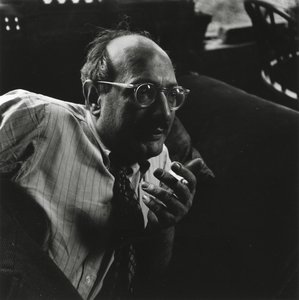
1903 - 1970 , Latvija

Find serenity with 10 minimalist masterpieces! Explore Agnes Martin, Rothko & more. Discover the stories behind iconic abstract art, neutral palettes & calming designs. Museum-quality reproductions at Most-Famous-Paintings.com – elevate your home decor today!
Atraskite 25 įspūdingiausius Kazimiro Malevičiaus kūrinius! Suprematizmo meistras, Juodas kvadratas ir kiti šedevrai. Įkvėpkite interjero idėjų su abstraktaus meno reprodukcijomis – Most-Famous-Paintings.com

Explore the captivating world of Jorge José Castillo Casalderrey, a leading Spanish Abstract Expressionist. Discover his unique style, market value & legacy. Expert insights for discerning collectors.

Atraskite 10 legendinių abstraktus ekspresionizmo kūrinių! Pažinkite Pollocko, Rothko ir kitų genijų istorijas bei jų spalvingas meno interpretacijas. Puikios meninės reprodukcijos jūsų namams – Most-Famous-Paintings.com

Explore the rich symbolism of the red dress in art history! From ancient power displays to iconic portraits like Cézanne’s 'Madame Cezanne', discover the cultural and artistic significance behind this captivating color. Expert analysis & insights.


Sekite naujausias meno naujienas, išskirtinius pasiūlymus ir dekoravimo idėjas.
Pasakokite mums apie savo projektą, o mūsų meno ekspertai parengs jums 3 asmeniškus meno pasiūlymus.
Leiskite mums parinkti 3 variantus būtent jums – nemokamai!


 Dalintis


 Skaityti daugiau







 Stiklo variantas prieinamas tik pasirinkus dydį iki 110 cm