x

Rankiniu būdu tapytas aliejus ant droblio jūsų pageidaujamame dydį ir rėmuose – mūsų menininkų darbas pagal užsakymą. ( Pirkti spaudinį Pirkti vaizdą)





























Pasirinkite iš mūsų nustatytų dydžių, atitinkančių originalaus meno kūrinio proporcijas.

Galite įvesti savo matmenis, kad jie atitiktų konkretų rėmą ar erdvę. Jei pasirinktas dydis neatitinka originalaus paveikslėlio proporcijų, mes arba apkropsime meno kūrinį, arba papildysime tapybą rankomis dažytい elementais. Prieš pradėdami gamybą, jūsų patvirtinimui atsiųsime skaitmeninį maketą.
Atkreipkite dėmesį, kad ekrane rodomas vaizdas neatspindi tikrojo apkarpymo ar papildymo. Tik maketas tiksliai parodys galutinę kompoziciją.
Nors galima rinktis ir individualius dydžius, rekomenduojame pasirinkti matmenis iš nustatytos sąrašo, kad būtų išlaikytos originalios proporcijos.
Pristatymas visame pasaulyje () per 3–4 savaites, o ne įprastai – per 5 savaites. (15 rugpjūtis). Kokybė lieka nepakeičiama.


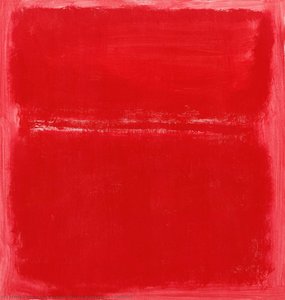
Untitled 141
Reprodukcijos matmenys
Mark Rothko's “Untitled 141” is not merely a painting; it’s an immersion into the profound depths of human emotion. This stark black and white photograph captures a seminal work from the artist’s mature period, exemplifying his mastery of abstract expressionism and offering a glimpse into the intensely personal world he sought to convey through color and form. The image itself – a vast expanse of dark grey punctuated by a luminous rectangle of light – immediately commands attention, drawing the viewer into a contemplative space where questions of existence and mortality take center stage.
Understanding “Untitled 141” requires acknowledging the formative experiences that shaped Mark Rothko's artistic vision. Born in Daugavpils, Latvia – then part of the Russian Empire – in 1903, Rothko’s early life was steeped in instability and displacement. His family’s emigration to Portland, Oregon, in 1913, following his father’s death, further complicated his sense of belonging. These experiences—the anxieties of a Jewish family living under oppressive conditions, the loss of loved ones, and the struggle for assimilation – fueled a lifelong preoccupation with themes of mortality, trauma, and the search for meaning. This biographical context is crucial to interpreting the painting's somber mood; it’s not simply an abstract composition but a deeply personal expression of existential angst.
The seemingly simple arrangement of black and grey rectangles within “Untitled 141” carries significant symbolic weight. The dark background represents the void, the unknown, or perhaps the unconscious mind – a space where profound emotions reside. The small rectangle of light can be interpreted as a beacon of hope, a glimpse of transcendence, or simply a reminder of beauty amidst darkness. Rothko deliberately avoided offering definitive interpretations, allowing viewers to project their own experiences and emotions onto the work. This ambiguity is precisely what makes “Untitled 141” so compelling – it invites introspection and personal engagement.
Mark Rothko’s influence on subsequent generations of artists is undeniable. "Untitled 141," along with his other monumental color field paintings, helped to establish abstract expressionism as a dominant force in 20th-century art. His work continues to resonate today, offering a powerful reminder of the enduring human need for beauty, meaning, and connection – even within the darkest of times. This reproduction offers an exceptional opportunity to experience Rothko’s profound vision firsthand.
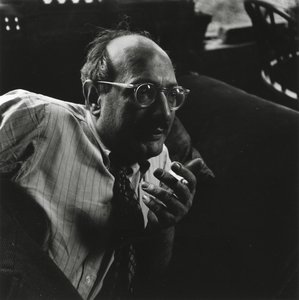
1903 - 1970 , Latvija

Explore the profound emotional depth of Color Field painting. Discover the history of mid-century abstraction, from Rothko to Newman, and learn how pure color transforms the viewer's experience through our expert art history guide.
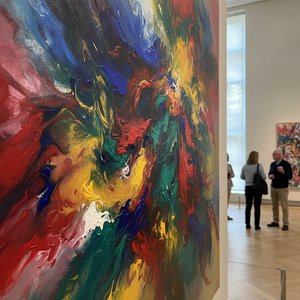
Explore the profound emotional depth of Lyrical Abstraction. Discover how masters like Raymond Parker used color and form to bridge Impressionism and Abstract Expressionism. Learn about this pivotal movement through our expert-led art history guide.

Explore the profound history and emotional depth of Abstract Expressionism. From Jackson Pollock to Mark Rothko, master the nuances of the New York School through our expert art history guide. Discover museum-quality hand-painted reproductions for your collection.


Sekite naujausias meno naujienas, išskirtinius pasiūlymus ir dekoravimo idėjas.
Pasakokite mums apie savo projektą, o mūsų meno ekspertai parengs jums 3 asmeniškus meno pasiūlymus.
Leiskite mums parinkti 3 variantus būtent jums – nemokamai!


 Peržiūrėti realybėje
 Pasidalinti
 Dalintis
 Išsamiau

 Atsisiųsti
 Panašūs eksponatai
 Rentgeno nuotrauka
 Automatinė diorama

 Skaityti daugiau







 Stiklo variantas prieinamas tik pasirinkus dydį iki 110 cm