x


Rankiniu būdu tapytas aliejus ant droblio jūsų pageidaujamame dydį ir rėmuose – mūsų menininkų darbas pagal užsakymą. ( Perejti prie spausdinimo Perjungti į vaizdą)





























Pasirinkite iš mūsų nustatytų dydžių, atitinkančių originalaus meno kūrinio proporcijas.

Galite įvesti savo matmenis, kad jie atitiktų konkretų rėmą ar erdvę. Jei pasirinktas dydis neatitinka originalaus paveikslėlio proporcijų, mes arba apkropsime meno kūrinį, arba papildysime tapybą rankomis dažytい elementais. Prieš pradėdami gamybą, jūsų patvirtinimui atsiųsime skaitmeninį maketą.
Atkreipkite dėmesį, kad ekrane rodomas vaizdas neatspindi tikrojo apkarpymo ar papildymo. Tik maketas tiksliai parodys galutinę kompoziciją.
Nors galima rinktis ir individualius dydžius, rekomenduojame pasirinkti matmenis iš nustatytos sąrašo, kad būtų išlaikytos originalios proporcijos.
Pristatymas visame pasaulyje () per 3–4 savaites, o ne įprastai – per 5 savaites. (31 liepa). Kokybė lieka nepakeičiama.


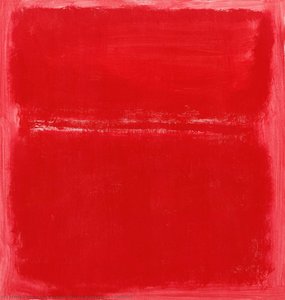
Untitled (20)
Reprodukcijos matmenys
Mark Rothko's "Untitled (20)," painted in 1957, stands as a cornerstone of Color Field painting—a movement that fundamentally altered the landscape of American art after World War II. More than just pigment on canvas, this work embodies a profound meditation on existential anxieties and the inescapable confrontation with mortality, reflecting the artist’s own personal struggles and intellectual convictions.
Symbolism: The skeleton serves as a potent symbol of death and decay—a stark reminder of our inevitable demise. However, it’s not merely an emblem of negativity; its position atop the figure suggests resilience and endurance, hinting at the possibility of transcendence beyond earthly limitations. The overlapping blocks of color represent amorphous forms that evoke feelings of warmth, comfort, and spiritual illumination – a deliberate attempt to bypass rational thought and engage directly with emotion.
Emotional Impact: Viewing “Untitled (20)” is an experience akin to entering a meditative space—one designed to provoke introspection and confront uncomfortable truths. The painting’s luminous hues induce a state of calm receptivity, inviting the viewer to contemplate their own mortality and grapple with questions of existence. Rothko's intention wasn’t to offer answers but rather to facilitate a profound emotional response – a feeling of awe mingled with melancholy.
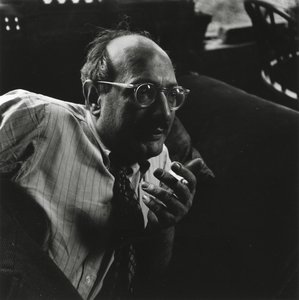
1903 - 1970 , Latvija

Explore the profound emotional depth of Mark Rothko's abstract expressionism. Discover the history, techniques & lasting impact of this pivotal Color Field painter. Expert insights for collectors and art enthusiasts.

Explore the captivating world of Beatrice Parsons, a pioneering British abstract expressionist. Discover her journey from garden watercolors to evocative color field paintings and learn about her place within art history.

Explore the profound emotional depth & formal innovations of abstract painting. Discover key artists like Rothko & Kandinsky, understand art collecting insights, and elevate your space with timeless masterpieces. Expert analysis for discerning collectors.

Explore 10 iconic paintings dominated by black tones, from Rembrandt’s chiaroscuro to Goya's dark expressions. Discover the stories behind these masterpieces & find museum-quality art reproductions for your home at .

Explore the complex evolution of Philip Guston's art – from abstraction to raw figuration. Discover his powerful social commentary, lasting influence & collecting insights with Most-Famous-Paintings.


Sekite naujausias meno naujienas, išskirtinius pasiūlymus ir dekoravimo idėjas.
Pasakokite mums apie savo projektą, o mūsų meno ekspertai parengs jums 3 asmeniškus meno pasiūlymus.
Leiskite mums parinkti 3 variantus būtent jums – nemokamai!


 Peržiūrėti realybėje
 Pasidalinti
 Dalintis
 Išsamiau

 Atsisiųsti
 Panašūs eksponatai
 Rentgeno nuotrauka
 Automatinė diorama

 Skaityti daugiau







 Stiklo variantas prieinamas tik pasirinkus dydį iki 110 cm