x


Muziejų lygio „giclée“ arba drobos spausdinimas: greita gamyba ir lankstios apdailos parinktys. ( Switch to hand made Painting Switch to Image)





























Pasirinkite iš mūsų nustatytų dydžių, atitinkančių originalaus meno kūrinio proporcijas.

Galite nurodyti savo matmenis, kad vaizdas atitiktų konkretų rėmą ar erdvę. Jei pasirinktas dydis nesutaps su originalaus paveikslėlio proporcijomis, mes arba apkirpsime kūrinį, arba išplėsime vaizdą naudojant veideliu atspindėtą arba vientisą šoną. Skaitmeninis maketas bus išsiųstas jums patvirtinti prieš pradedant gamybą.
Atkreipkite dėmesį, kad ekrane matomas vaizdinys neatspindi tikrojo apkirpimo ar išplėtimo. Tik maketas tiksliai parodytų galutinę kompoziciją.
Nors galima rinktis ir individualius dydžius, rekomenduojame pasirinkti vieną iš išanksti nustatytų matmenų, kad būtų išlaikytos originalios proporcijos.
Pristatymas visame pasaulyje () per 2 weeks, o ne įprastas 4/5 savaičių laikotarpis. (30 liepa)


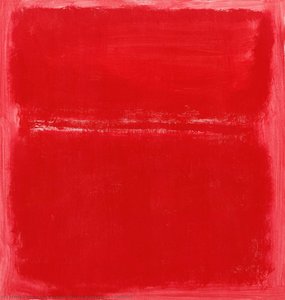
Untitled 26
Reprodukcijos matmenys
Mark Rothko’s “Untitled 26,” painted in 1960, stands as a poignant testament to the artist's lifelong preoccupation with themes of loss and spiritual yearning. Born Markus Yakovlevich Rothkowitz in Dvinsk, Latvia, in 1903, Rothko experienced firsthand the trauma of familial displacement – his father’s emigration from Latvia following the Russian Revolution and the subsequent death of Jacob Rothkowitz shortly after arriving in Portland.
The painting itself embodies Rothko's signature style: monumental rectangular blocks of color—primarily shades of orange and yellow—that bleed into one another, creating an immersive experience for the viewer. This technique, honed over decades of experimentation, eschews traditional representation, opting instead for a visual language that prioritizes emotion and intuition. Rothko meticulously applied thin layers of pigment to canvas, allowing the colors to merge organically, capturing not just hues but also subtle gradations of luminosity and texture.
Historically situated within the broader context of Abstract Expressionism—a movement characterized by spontaneity and emotional intensity—Rothko’s work emerged during a period of profound intellectual and spiritual questioning. Influenced by Zen Buddhism and existential philosophy, Rothko sought to convey universal truths about human experience – confronting mortality, grappling with suffering, and striving for transcendence.
The symbolism embedded within “Untitled 26” is deliberately ambiguous yet powerfully suggestive. The dominant orange hue evokes warmth, vitality, and perhaps even remembrance—a visual echo of the familial bonds fractured by emigration. Simultaneously, it represents the fiery crucible of grief, mirroring the artist’s own internal struggle to reconcile loss with hope.
The subtle blending of colors contributes significantly to the painting's emotional impact. Rather than depicting a specific scene or object, Rothko invites contemplation—encouraging viewers to immerse themselves in the luminous expanse and allow their subconscious mind to interpret its underlying message. The resulting sensation is one of profound serenity mingled with melancholy – an acknowledgment of life’s inevitable sorrows alongside an unwavering belief in the possibility of spiritual illumination.
“Untitled 26” continues to resonate with audiences today, serving as a timeless meditation on the human condition. Its enduring appeal lies in its ability to bypass rational thought altogether, tapping into primal emotions and fostering a visceral connection between artist and viewer—a reminder that art’s greatest power resides not in depicting reality but in conveying profound truths about our inner lives.

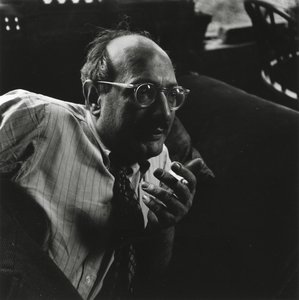
1903 - 1970 , Latvija
Atraskite 25 įspūdingiausius Mark Rothko kūrinius! Gilinkitės į abstraktaus meno spalvų laukus, ekspresionizmą ir jaustmingas tapybas. Meno reprodukcijos aukščiausia kokybe – Most-Famous-Paintings.com

Atraskite 10 legendinių abstraktus ekspresionizmo kūrinių! Pažinkite Pollocko, Rothko ir kitų genijų istorijas bei jų spalvingas meno interpretacijas. Puikios meninės reprodukcijos jūsų namams – Most-Famous-Paintings.com

Explore the profound emotional depth of Mark Rothko's abstract expressionism. Discover the history, techniques & lasting impact of this pivotal Color Field painter. Expert insights for collectors and art enthusiasts.
Journey through Wassily Kandinsky's 25 most iconic abstract paintings. Explore his revolutionary use of color, form & spiritual expressionism. Find museum-quality Kandinsky reproductions and elevate your home decor with Most-Famous-Paintings.com. Discover all masterpieces on Most-Famous-Paintings.com!
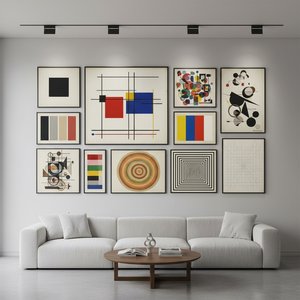
Atraskite 10 geometrinės abstrakcijos šedevrų – nuo Mondriano iki Malevičiaus! Sužinokite apie Piet Mondrian, Kazimir Malevič ir kitus menininkus. Meno kūriniai jūsų interjerui | Most-Famous-Paintings.com


Sekite naujausias meno naujienas, išskirtinius pasiūlymus ir dekoravimo idėjas.
Pasakokite mums apie savo projektą, o mūsų meno ekspertai parengs jums 3 asmeniškus meno pasiūlymus.
Leiskite mums parinkti 3 variantus būtent jums – nemokamai!


 Preview
 Pasidalinti
 Dalintis
 Išsamiau

 Atsisiųsti
 Panašūs eksponatai
 Rentgeno nuotrauka
 Automatinė diorama
 Skaityti daugiau







 Stiklo variantas prieinamas tik pasirinkus dydį iki 110 cm