x


Muziejų lygio „giclée“ arba drobos spausdinimas: greita gamyba ir lankstios apdailos parinktys. ( Switch to hand made Painting Switch to Image)





























Pasirinkite iš mūsų nustatytų dydžių, atitinkančių originalaus meno kūrinio proporcijas.

Galite nurodyti savo matmenis, kad vaizdas atitiktų konkretų rėmą ar erdvę. Jei pasirinktas dydis nesutaps su originalaus paveikslėlio proporcijomis, mes arba apkirpsime kūrinį, arba išplėsime vaizdą naudojant veideliu atspindėtą arba vientisą šoną. Skaitmeninis maketas bus išsiųstas jums patvirtinti prieš pradedant gamybą.
Atkreipkite dėmesį, kad ekrane matomas vaizdinys neatspindi tikrojo apkirpimo ar išplėtimo. Tik maketas tiksliai parodytų galutinę kompoziciją.
Nors galima rinktis ir individualius dydžius, rekomenduojame pasirinkti vieną iš išanksti nustatytų matmenų, kad būtų išlaikytos originalios proporcijos.
Pristatymas visame pasaulyje () per 2 weeks, o ne įprastas 4/5 savaičių laikotarpis. (30 liepa)


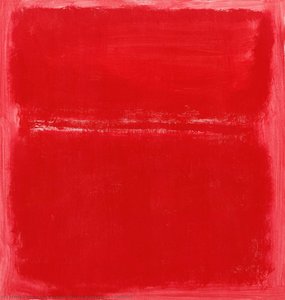
Untitled 76
Reprodukcijos matmenys
Mark Rothko (1903 – 1970), born Markus Yakovlevich Rothkowitz in Dvinsk, Latvia, stands as one of the most influential figures in Abstract Expressionism. His artistic life began amidst considerable hardship—the anxieties surrounding his family’s Jewish heritage within the Pale of Settlement and the trauma of losing his father during immigration to Portland, Oregon—experiences that instilled a profound empathy for human suffering and shaped his unwavering commitment to exploring existential questions.
His signature style involved layering rectangles of saturated hues – predominantly crimson, orange, yellow, and blue – onto canvases of monumental scale. These blocks of color weren’t merely decorative; they were meticulously crafted to evoke profound emotional responses in the viewer. Rothko believed that color itself possessed inherent expressive power, capable of conveying feelings without resorting to explicit depiction.
The symbolism embedded within Rothko’s paintings is deliberately ambiguous. Critics have interpreted his works as meditations on spirituality, grief, and the sublime—representations of inner landscapes rather than external realities. The rectangles themselves can be seen as symbols of containment and illumination, encapsulating vastness while simultaneously radiating warmth and serenity. Ultimately, Rothko sought to create art that resonated with viewers on a visceral level, prompting contemplation and fostering a connection to something beyond oneself.
“Color is my passion,” Rothko declared repeatedly throughout his career. “It’s the most direct route to the human soul.” His legacy continues to inspire artists and collectors alike—a testament to the enduring power of art to communicate emotion, provoke thought, and illuminate the mysteries of existence.
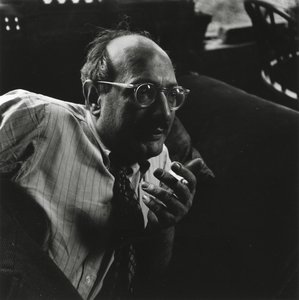
1903 - 1970 , Latvija

Explore the captivating world of Color Field painting! Discover its origins, key artists like Rothko & Newman, philosophical depth, and lasting influence on modern art. Expert insights for collectors.

Explore the profound emotional depth of Mark Rothko's abstract expressionism. Discover the history, techniques & lasting impact of this pivotal Color Field painter. Expert insights for collectors and art enthusiasts.

Explore the vibrant world of Gene Davis and the Washington Color School. Discover his iconic stripe paintings, innovative techniques, and lasting impact on American abstract art. A deep dive for collectors & enthusiasts.

Explore the groundbreaking abstract expressionism of Morris Louis, a pioneer of Color Field painting. Discover his innovative techniques, influential series & lasting legacy in post-war American art. Learn more at Most-Famous-Paintings.

Explore the profound world of Color Field painting with Most-Famous-Paintings. Discover key artists like Rothko & Newman, its philosophical roots, and lasting impact on modern art. Expert insights for collectors.


Sekite naujausias meno naujienas, išskirtinius pasiūlymus ir dekoravimo idėjas.
Pasakokite mums apie savo projektą, o mūsų meno ekspertai parengs jums 3 asmeniškus meno pasiūlymus.
Leiskite mums parinkti 3 variantus būtent jums – nemokamai!


 Preview
 Pasidalinti
 Dalintis
 Išsamiau

 Atsisiųsti
 Panašūs eksponatai
 Rentgeno nuotrauka
 Automatinė diorama
 Skaityti daugiau







 Stiklo variantas prieinamas tik pasirinkus dydį iki 110 cm