


x
 WaxPost-Impressionism
 19th Century
 45.0 x 45.0 cm
 Galleria Civica di Arte Moderna e Contemporanea Torino
Rankiniu būdu tapytas aliejus ant droblio jūsų pageidaujamame dydį ir rėmuose – mūsų menininkų darbas pagal užsakymą. ( Pirkti spaudinį Pirkti vaizdą)
Pasirinkite iš mūsų nustatytų dydžių, atitinkančių originalaus meno kūrinio proporcijas.

Galite įvesti savo matmenis, kad jie atitiktų konkretų rėmą ar erdvę. Jei pasirinktas dydis neatitinka originalaus paveikslėlio proporcijų, mes arba apkropsime meno kūrinį, arba papildysime tapybą rankomis dažytい elementais. Prieš pradėdami gamybą, jūsų patvirtinimui atsiųsime skaitmeninį maketą.
Atkreipkite dėmesį, kad ekrane rodomas vaizdas neatspindi tikrojo apkarpymo ar papildymo. Tik maketas tiksliai parodys galutinę kompoziciją.
Nors galima rinktis ir individualius dydžius, rekomenduojame pasirinkti matmenis iš nustatytos sąrašo, kad būtų išlaikytos originalios proporcijos.
Pristatymas visame pasaulyje () per 3–4 savaites, o ne įprastai – per 5 savaites. (19 rugpjūtis). Kokybė lieka nepakeičiama.


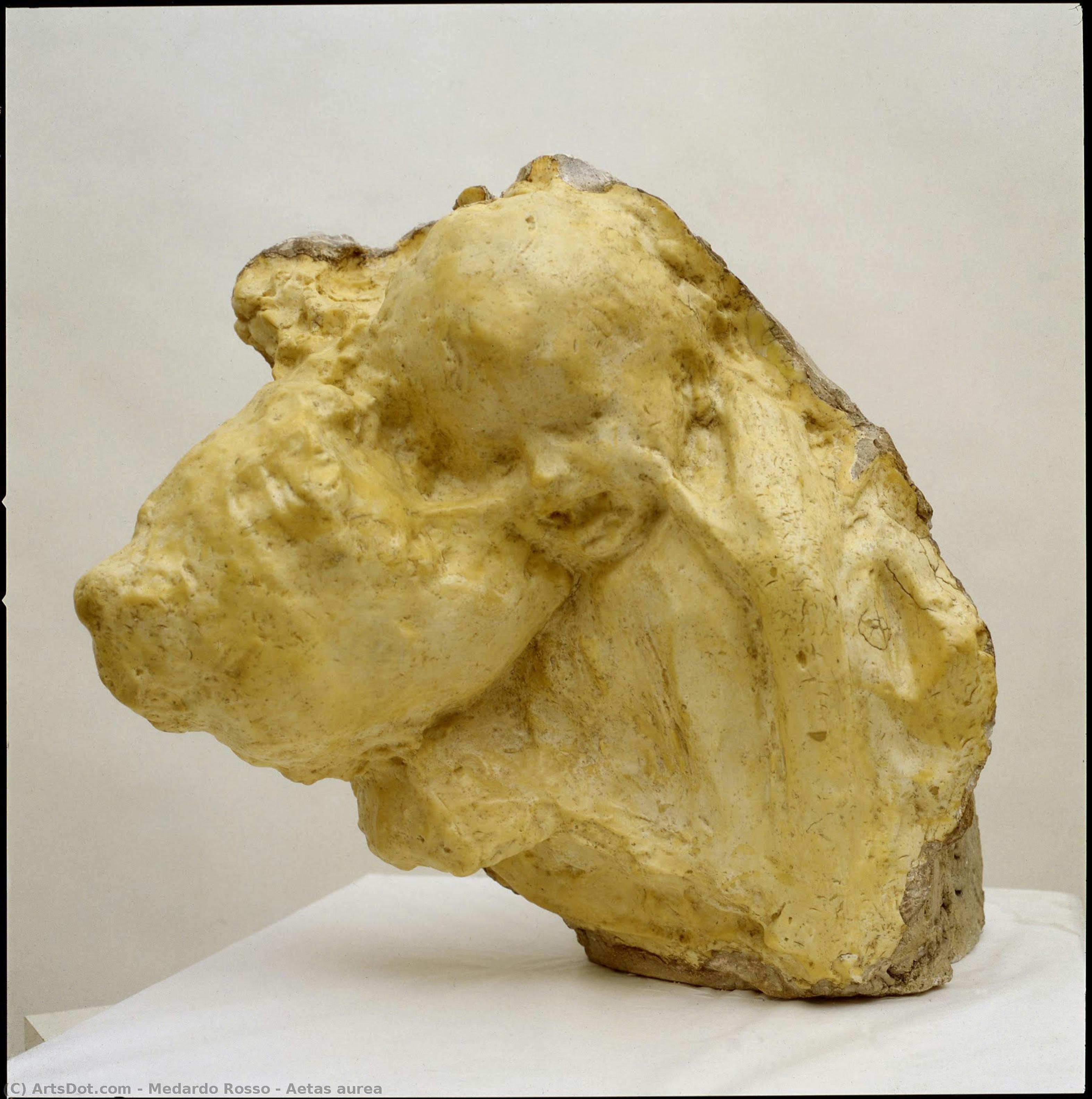
Aetas aurea
Reprodukcijos matmenys
Aetas Aurea, Latin for "Golden Age," is a profoundly moving sculpture by Italian artist Medardo Rosso. This work depicts his wife, Giuditta Pozzi, and their young son, Francesco, capturing a tender moment of familial connection. It stands as a prime example of Rosso’s innovative approach to sculpting, particularly his exploration of wax as a medium.
Rosso was a pioneer in what can be considered "Impressionistic sculpture." Departing from the traditional academic style prevalent at the time, he embraced a more fluid and atmospheric aesthetic. Aetas Aurea exemplifies this shift. Rather than striving for precise anatomical detail or polished surfaces, Rosso prioritized capturing a fleeting impression – a moment suspended in time.
Aetas Aurea was created during a period of significant artistic change in Europe. Rosso’s work reflects the broader Post-Impressionist movement, which sought to move beyond mere representation towards conveying subjective experience and emotion. His journey to Paris in 1886, where he exhibited at the Salon and Salon des Indépendants, exposed him to new ideas and techniques that influenced his artistic development.
Beyond its aesthetic qualities, Aetas Aurea carries a profound emotional resonance. The sculpture evokes feelings of intimacy, tenderness, and familial love. The slightly tilted posture and soft modeling create an atmosphere of vulnerability and quiet contemplation.


1858 - 1928 , इटalinija

Explore the profound history of sculpture, from classical realism to modern abstraction. Discover the mastery of form, texture, and medium through an expert art-historical lens designed for discerning collectors and enthusiasts.
Elevate your collection with our expert guide to bronze sculpture. Discover the mastery of lost-wax casting, the artistry of patination, and professional insights for acquiring timeless metal masterpieces that define sophisticated interiors.

Discover the enduring elegance of bronze sculpture. Our expert guide explores lost-wax casting, patina mastery, and professional tips for collecting and commissioning museum-quality bronze art to create a lasting legacy in your private collection.


Sekite naujausias meno naujienas, išskirtinius pasiūlymus ir dekoravimo idėjas.
Pasakokite mums apie savo projektą, o mūsų meno ekspertai parengs jums 3 asmeniškus meno pasiūlymus.
Leiskite mums parinkti 3 variantus būtent jums – nemokamai!


 Peržiūrėti realybėje
 Pasidalinti
 Dalintis
 Išsamiau

 Atsisiųsti
 Panašūs eksponatai
 Rentgeno nuotrauka
 Automatinė diorama
 Skaityti daugiau




































 Stiklo variantas prieinamas tik pasirinkus dydį iki 110 cm


