x

 Oil On CanvasWallArtEarly Netherlandish Renaissance
 1475
1475 31.0 x 24.0 cm
Muziejų lygio „giclée“ arba drobos spausdinimas: greita gamyba ir lankstios apdailos parinktys. ( Pirkti rankomis tapytą paveikslą Pirkti vaizdą)





























Pasirinkite iš mūsų nustatytų dydžių, atitinkančių originalaus meno kūrinio proporcijas.

Galite nurodyti savo matmenis, kad vaizdas atitiktų konkretų rėmą ar erdvę. Jei pasirinktas dydis nesutaps su originalaus paveikslėlio proporcijomis, mes arba apkirpsime kūrinį, arba išplėsime vaizdą naudojant veideliu atspindėtą arba vientisą šoną. Skaitmeninis maketas bus išsiųstas jums patvirtinti prieš pradedant gamybą.
Atkreipkite dėmesį, kad ekrane matomas vaizdinys neatspindi tikrojo apkirpimo ar išplėtimo. Tik maketas tiksliai parodytų galutinę kompoziciją.
Nors galima rinktis ir individualius dydžius, rekomenduojame pasirinkti vieną iš išanksti nustatytų matmenų, kad būtų išlaikytos originalios proporcijos.
Pristatymas visame pasaulyje () per 2 weeks, o ne įprastas 4/5 savaičių laikotarpis. (12 rugpjūtis)


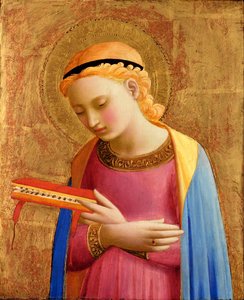
St. Veronica
Reprodukcijos matmenys
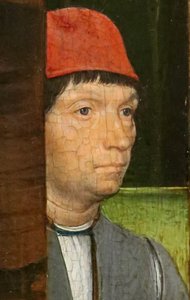
Hans Memling's “St. Veronica,” painted in 1475, stands as a cornerstone of Early Netherlandish art—a movement that prioritized meticulous detail and spiritual contemplation alongside breathtaking realism. More than just a portrait, it’s an immersive experience into the heart of fifteenth-century piety, capturing the profound reverence felt for religious iconography.
The painting depicts St. Veronica, a disciple of Jesus Christ who miraculously possessed a veil bearing his likeness after he carried his crucifix down Calvary. Memling skillfully portrays Veronica kneeling in prayerful devotion, her gaze fixed upon the veil—a poignant symbol of compassion and humility. The composition is carefully balanced, featuring two figures flanking St. Veronica: one standing upright, radiating authority, and the other seated beneath him, offering a sense of serenity and contemplation. A rocky outcrop serves as an understated yet significant backdrop, grounding the scene in the natural world and reinforcing its spiritual atmosphere.
Memling's approach aligns perfectly with the broader stylistic trends of the Flemish Primitives—a movement that distinguished itself from its Italian counterpart by prioritizing independent artistic exploration. He achieved unparalleled realism through masterful oil painting technique, utilizing glazing layers to create luminous surfaces and capturing subtle nuances of light and shadow. The artist’s meticulous attention to detail extends beyond mere representation; it embodies a desire to convey the inner life of his subjects—a characteristic that would become synonymous with Northern Renaissance art.
The central element – Jesus' face on the veil – transcends its visual depiction. It represents Christ’s suffering endured during his crucifixion and, crucially, embodies the promise of redemption offered through faith. Memling’s deliberate choice to portray Veronica with unwavering devotion underscores the importance of humility and compassion in Christian spirituality. The veil itself symbolizes purity and divine grace—a testament to the transformative power of encountering God.
"St. Veronica" continues to resonate powerfully with viewers today, eliciting feelings of serenity, contemplation, and reverence. Memling’s work profoundly influenced subsequent generations of artists, establishing a precedent for portraying religious figures with dignity and sensitivity. His legacy extends beyond individual masterpieces; it resides in his contribution to shaping the artistic landscape of Europe during a period marked by intellectual curiosity and spiritual renewal—a testament to the enduring beauty and significance of Early Netherlandish art.

Vokietija

Explore the profound history and technical brilliance of oil on panel painting. From Renaissance masters to modern techniques, discover why this rigid support offers unparalleled precision and permanence for fine art lovers and collectors.


Sekite naujausias meno naujienas, išskirtinius pasiūlymus ir dekoravimo idėjas.
Pasakokite mums apie savo projektą, o mūsų meno ekspertai parengs jums 3 asmeniškus meno pasiūlymus.
Leiskite mums parinkti 3 variantus būtent jums – nemokamai!


 Peržiūrėti realybėje
 Pasidalinti
 Dalintis
 Išsamiau

 Atsisiųsti
 Panašūs eksponatai
 Rentgeno nuotrauka
 Automatinė diorama
 Skaityti daugiau







 Stiklo variantas prieinamas tik pasirinkus dydį iki 110 cm