


x
Įsigykite aukštos skiriamosios raiškos, patobulintą skaitmeninį vaizdą, gerokai pranašesnį už internetinę peržiūrą.
Kiekvieną failą mūsų specialistai kruopščiai paruošia naudojant pažangias technologijas ir profesionalų rankinį retušavimą. Užtikriname, kad kiekvienas vaizdas pasižymėtų išskirtiniu aiškumu, tikslia spalvų atspalviu ir smulkiomis detalėmis.
Baigiamas failas el. paštu pristatomas per 72 valandas; jis optimizuotas nedelsiant naudojimui profesionalioje, redakcinėje ir spausdinimo aplinkoje. Tai ta pati kokybė, kuria pasitiki aukščiausios klasės dizaino studijos, leidyklos ir galerijos.
Atsisiųskite didelės raiškos failą asmeniniam naudojimui, spausdinimui ir kūrybiniams projektams. ( Pirkti spaudinį Pirkti rankomis tapytą paveikslą)
Pasirinkę Most-Famous-Paintings.com, jūs ne tik gaunate paveikslėlį – jūs gaunate profesionaliai patobudintą skaitmeninį kūrinį, sukurtą itin tikniai ir užtikrinantį pasitenkinimą. Štai viską, kas automatiškai pritékia jūsų užsakymui:

Jūsų aukštos raiškos skaitmeninis vaizdo failas bus išsiųstas jums el. paštu per 72 valaudas nuo užsakymo – paruoštas naudojimui be jokių papildomų veiksmų.

Jūsų meno kūrinys profesionaliai optimizuojamas naudojant pažangius dirbtinio intelekto įrankius ir rankinį redagavimą, užtikrinant maksimalią detalę, aiškumą ir spalvų tikslumą.

Atsitiktinai ištrytikote ar praradote savo failą? Nebijokite – bet kuriuo metu atsiųsime jį jums vėl nemokamai.

Mėgaukitės savo meno kūriniu akimirka – skaitiniai failai visada yra neapmokestinami, todėl nereikės mokėti muitinės, mokesčių ar pristatymo mokesčių.

Naudodami profesionalią įrangą ir spalvų valdymo sistemas, užtikriname, kad jūsų skaitmeninis vaizdas kuo tiksliau atspindėtų originalias spalvas.

Jei nebuvate patenkinti savo skaitinio vaizdo, per 60 dienų jį pertaisysime arba grąkinsime 100% sumą – be jokių klausimų.

Nepat 만족inti? Gaukite visą sumokėtą sumą per 60 dienų nuo skaitmeninio failo gavimo – be jokių papildomų klausimų.

Pirkti 3 nuotraukas – pasiūla 10% - Pirkti 5 – pasiūla 15% - Pirkti 10 ir daugiau – pasiūla 20%. Puikiai tinka kūrybiniams projektams, galerijoms bei agentūroms.

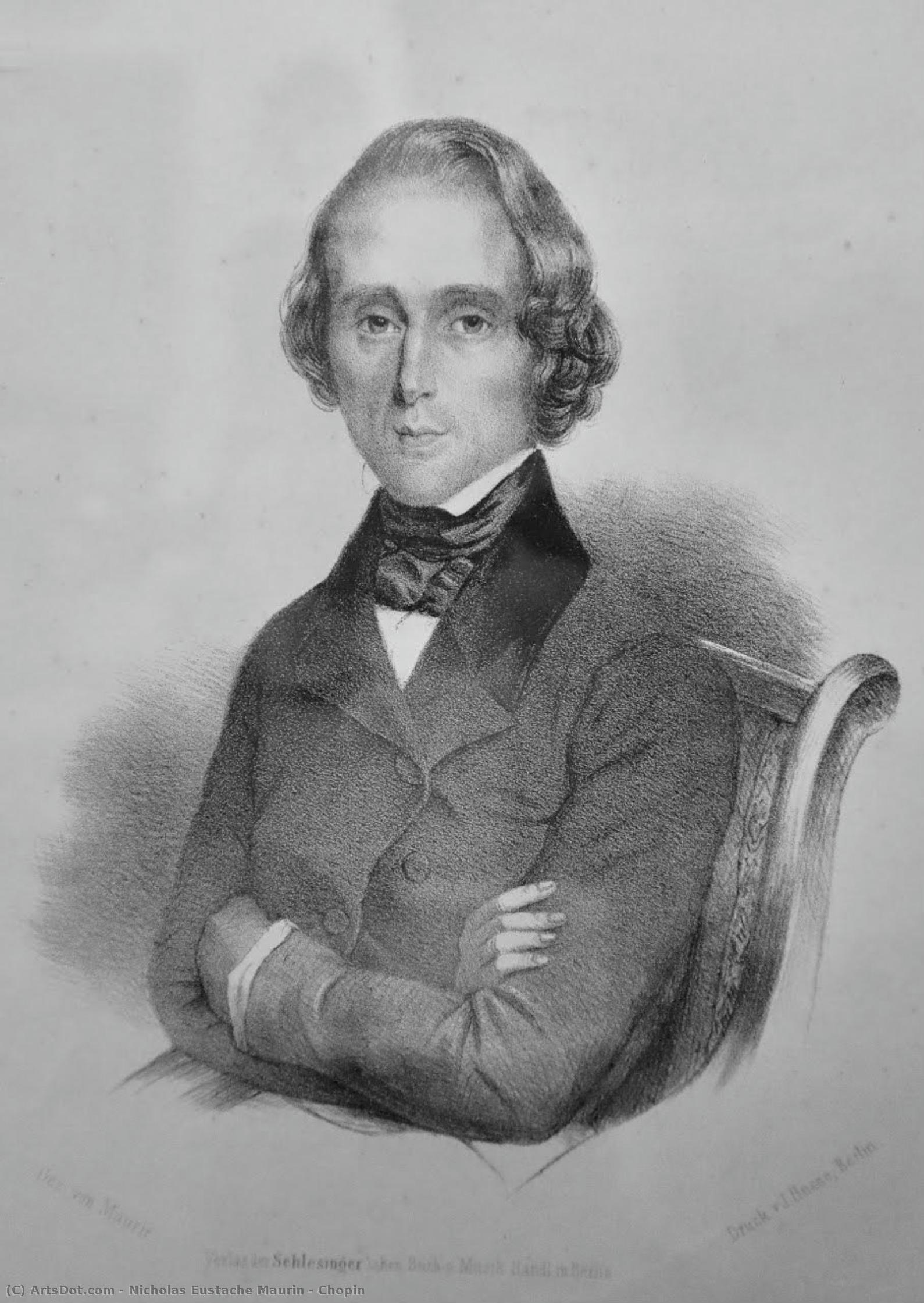
In the vibrant, shifting landscape of nineteenth-century France, few artists captured the delicate interplay between human emotion and social grace as intimately as Nicolas Eustache Maurin. Born in the historic town of Perpignan in 1799, Maurin was a child of artistic lineage, the son of the painter Pierre Maurin. This early immersion in the scent of oil paints and the tactile nature of the studio laid the foundation for a career that would eventually bridge the worlds of fine painting and the burgeoning medium of lithography. His journey from the quiet corners of southern France to the prestigious salons of Paris was fueled by a rigorous technical training, most notably under the guidance of Henri Regnault, whose influence helped shape Maurin’s ability to infuse even the simplest line with profound psychological depth.
As Maurin established himself in the Parisian art scene, he became a master of the lithographic stone, an artist capable of translating the fleeting nuances of a facial expression into permanent, striking imagery. His work during the 1830s and 1840s reflected the spirit of Romanticism, a movement that sought to explore the depths of individual feeling and the dramatic beauty of the human condition. Whether through his celebrated portraits or his more playful, observational prints, Maurin possessed a rare gift for capturing the "spirit of the age." His hands were skilled not just in the mechanical precision required for engraving, but in the artistic interpretation that allowed him to breathe life into his subjects, making them feel like contemporaries to anyone viewing his work decades later.
Maurin’s legacy is perhaps most vibrantly felt through his ability to document the faces and fashions of his era. He was a painter of manners, an observer of the subtle social cues that defined nineteenth-century life. His portfolio contains a remarkable breadth of subject matter, ranging from the deeply personal to the broadly historical. One cannot discuss his contributions without mentioning his ability to distill complex personalities into singular, evocative compositions. His work often touched upon themes of intimacy and domesticity, seen in titles such as Love, Modesty, and Tender Avowal, where he utilized tonal gradations and soft shading to create a sense of warmth and vulnerability.
Beyond the domestic sphere, Maurin’s talent for portraiture allowed him to immortalize some of the most significant figures of his time. His ability to capture the essence of a person—the weight of their thoughts or the spark of their intellect—is evident in his depictions of legendary figures such as Chopin and James Madison. These were not merely likenesses; they were character studies that utilized the unique textures of lithography to suggest depth and movement. His work often appeared in prestigious collections, including the National Portrait Gallery in London and The Metropolitan Museum of Art, ensuring that his vision of the nineteenth century would endure long after his passing in 1850.
What truly set Maurin apart from his contemporaries was his elevation of lithography from a reproductive tool to a primary medium of artistic expression. While many used the technique to simply copy existing paintings, Maurin approached the stone with the eye of a painter. He understood how light could be manipulated through varying pressures on the lithographic crayon, creating a sense of atmosphere that mimicked the soft glow of candlelight or the dramatic shadows of a studio portrait. This technical prowess allowed him to participate in significant series, such as his Iconography of Contemporaries, which served as a visual encyclopedia of the era's most notable individuals.
The historical significance of Nicolas Eustache Maurin lies in his role as a visual chronicler. Through his meticulous attention to detail and his empathetic approach to his subjects, he provided a window into the social fabric of nineteenth-century France. His work remains a testament to the power of printmaking to capture both the grand narratives of history and the quiet, intimate moments of human existence. Today, collectors and historians alike look to his prints not just as beautiful objects of art, but as essential fragments of a lost world, preserved through the enduring magic of stone and ink.

1799 - 1850 , France


Sekite naujausias meno naujienas, išskirtinius pasiūlymus ir dekoravimo idėjas.
Pasakokite mums apie savo projektą, o mūsų meno ekspertai parengs jums 3 asmeniškus meno pasiūlymus.
Leiskite mums parinkti 3 variantus būtent jums – nemokamai!


 Peržiūrėti realybėje
 Pasidalinti
 Dalintis
 Išsamiau

 Atsisiųsti
 Panašūs eksponatai
 Rentgeno nuotrauka
 Automatinė diorama
 Skaityti daugiau





