


x

Rankiniu būdu tapytas aliejus ant droblio jūsų pageidaujamame dydį ir rėmuose – mūsų menininkų darbas pagal užsakymą. ( Pirkti spaudinį Pirkti vaizdą)





























Pasirinkite iš mūsų nustatytų dydžių, atitinkančių originalaus meno kūrinio proporcijas.

Galite įvesti savo matmenis, kad jie atitiktų konkretų rėmą ar erdvę. Jei pasirinktas dydis neatitinka originalaus paveikslėlio proporcijų, mes arba apkropsime meno kūrinį, arba papildysime tapybą rankomis dažytい elementais. Prieš pradėdami gamybą, jūsų patvirtinimui atsiųsime skaitmeninį maketą.
Atkreipkite dėmesį, kad ekrane rodomas vaizdas neatspindi tikrojo apkarpymo ar papildymo. Tik maketas tiksliai parodys galutinę kompoziciją.
Nors galima rinktis ir individualius dydžius, rekomenduojame pasirinkti matmenis iš nustatytos sąrašo, kad būtų išlaikytos originalios proporcijos.
Pristatymas visame pasaulyje () per 3–4 savaites, o ne įprastai – per 5 savaites. (14 rugpjūtis). Kokybė lieka nepakeičiama.


Ecstasy
Reprodukcijos matmenys
Nicholas Roemerich's "Ecstasy," painted in 1918, is more than just a depiction of a mountain vista; it’s a profound meditation on the human condition rendered with the artist’s signature blend of meticulous realism and deeply spiritual symbolism. The painting captures a solitary figure – a man – standing upon rugged rocks, gazing upwards at a dramatic range of mountains against an expansive sky. This isn't a simple landscape study; Roerich imbues the scene with a palpable sense of awe and contemplation, inviting the viewer to share in the subject’s experience.
Roerich was deeply influenced by theosophy, a spiritual philosophy emphasizing universal interconnectedness and the importance of inner transformation. This influence is evident in the painting's composition and color palette. The towering mountains represent not just geological formations but also symbolic structures – enduring strength, spiritual aspiration, and the vastness of the cosmos. The man’s posture, upright and attentive, suggests a yearning for connection with something greater than himself, a core tenet of theosophical thought. The scattered figures in the background, though less defined, likely represent humanity's collective journey towards enlightenment.
Roerich was renowned for his incredibly detailed technique, a hallmark of his work developed over decades. “Ecstasy” exemplifies this mastery. The painting is built upon multiple layers of thin glazes applied in meticulous detail, creating an almost luminous effect. This layering technique, combined with his use of rich, earthy tones – ochres, browns, and blues – gives the scene a remarkable sense of depth and atmospheric perspective. He employed a dry brushstroke to create texture on the rocks and foliage, adding to the realism while maintaining a dreamlike quality. The careful rendering of light and shadow further enhances the dramatic impact of the composition.
Painted in 1918, “Ecstasy” was created during a period of immense upheaval – the aftermath of World War I and the rise of revolutionary fervor across Europe. Roerich, deeply concerned with peace and cultural preservation, used his art as a vehicle for expressing these values. The painting’s serene depiction of nature offers a counterpoint to the chaos of the times, suggesting a return to fundamental human needs: connection, contemplation, and reverence for the natural world. The work reflects Roerich's broader mission to promote spiritual understanding and foster international harmony.
"Ecstasy" resonates with viewers on multiple levels. The solitary figure evokes a sense of vulnerability and introspection, while the majestic mountains inspire feelings of awe and wonder. The painting’s overall mood is one of quiet contemplation and spiritual yearning – a timeless theme explored by Roerich throughout his career. It's a piece that invites prolonged viewing, revealing new details and nuances with each encounter. This reproduction captures not just an image but the very essence of Roerich’s artistic vision, offering a powerful reminder of the beauty and mystery inherent in the natural world and the human spirit.


1874 - 1947 , Rusija
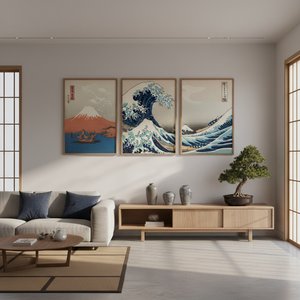
Atraskite 25 įspūdingiausius Katsushika Hokusai kūrinius! Žiūrėkite *Didžiąją bangą*, *Fuji kalną* ir kitus Ukiyo-e stiliaus šedevrus. Meno reprodukcijos jūsų interjerui – Most-Famous-Paintings.com

Explore the captivating art of Nicholas Roerich – a visionary painter whose Himalayan landscapes blend spiritual mysticism with cultural preservation. Discover his legacy & symbolism.
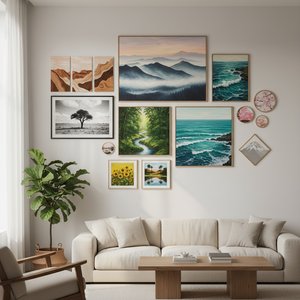
Journey through 10 breathtaking landscape paintings by Monet, Van Gogh & more! Explore iconic artworks, artistic techniques & find inspiration for your home decor. Museum-quality reproductions at Most-Famous-Paintings.com. Discover all masterpieces on Most-Famous-Paintings.com

Atraskite 10 legendinių romantinio peizažo kūrinių! Pasinerkite į Claude Lorrain, Caspar David Friedrich ir J.M.W. Turner genijaus pasaulį. Išmokite apie tapybos meistriškumą bei gamtos grožį. Aukščiausios kokybės meno reprodukcijos – Most-Famous-Paintings.com. Tyrinėkite kolekciją!

Explore the captivating world of Mikhail Nesterov, a pioneer of Russian Symbolism. Discover his spiritual themes, iconic paintings like 'The Hermit,' and lasting influence on Russian art history. Learn more at Most-Famous-Paintings.


Sekite naujausias meno naujienas, išskirtinius pasiūlymus ir dekoravimo idėjas.
Pasakokite mums apie savo projektą, o mūsų meno ekspertai parengs jums 3 asmeniškus meno pasiūlymus.
Leiskite mums parinkti 3 variantus būtent jums – nemokamai!


 Peržiūrėti realybėje
 Pasidalinti
 Dalintis
 Išsamiau

 Atsisiųsti
 Panašūs eksponatai
 Rentgeno nuotrauka
 Automatinė diorama

 Skaityti daugiau







 Stiklo variantas prieinamas tik pasirinkus dydį iki 110 cm


