


x

Rankiniu būdu tapytas aliejus ant droblio jūsų pageidaujamame dydį ir rėmuose – mūsų menininkų darbas pagal užsakymą. ( Pirkti spaudinį Pirkti vaizdą)





























Pasirinkite iš mūsų nustatytų dydžių, atitinkančių originalaus meno kūrinio proporcijas.

Galite įvesti savo matmenis, kad jie atitiktų konkretų rėmą ar erdvę. Jei pasirinktas dydis neatitinka originalaus paveikslėlio proporcijų, mes arba apkropsime meno kūrinį, arba papildysime tapybą rankomis dažytい elementais. Prieš pradėdami gamybą, jūsų patvirtinimui atsiųsime skaitmeninį maketą.
Atkreipkite dėmesį, kad ekrane rodomas vaizdas neatspindi tikrojo apkarpymo ar papildymo. Tik maketas tiksliai parodys galutinę kompoziciją.
Nors galima rinktis ir individualius dydžius, rekomenduojame pasirinkti matmenis iš nustatytos sąrašo, kad būtų išlaikytos originalios proporcijos.
Pristatymas visame pasaulyje () per 3–4 savaites, o ne įprastai – per 5 savaites. (12 rugpjūtis). Kokybė lieka nepakeičiama.


Mongolia. Yurtas.
Reprodukcijos matmenys
Nicholas Roemerich's 1938 painting, “Mongolia. Yurtas.”, is more than a simple depiction of riders on horseback in the vast Mongolian landscape; it’s a profound meditation on humanity’s relationship with nature, spirituality, and the enduring spirit of nomadic cultures. Executed in the Symbolist style, a movement characterized by its focus on subjective experience and evocative imagery rather than strict realism, the work immediately draws the viewer into a world where the tangible and the ethereal intertwine.
Roerich was deeply interested in exploring universal themes through art, often incorporating symbolism drawn from Eastern philosophies and ancient mythologies. In “Mongolia. Yurtas.”, the yurts themselves hold significant symbolic weight. They represent a connection to the land, a nomadic lifestyle rooted in resilience and adaptability – qualities that Roerich championed throughout his life. The vastness of the desert mirrors the immensity of human experience, while the figures’ journey can be interpreted as a quest for spiritual enlightenment or simply a testament to the enduring human spirit.
Created in 1938, during a period of significant political and social upheaval, “Mongolia. Yurtas.” reflects Roerich's broader concerns about cultural preservation and the need for spiritual renewal. Following his travels throughout Central Asia, he became increasingly involved in promoting peace and understanding through art, believing that artistic expression could transcend national boundaries and foster empathy. His work during this time was heavily influenced by his belief in a “Living Earth” – a concept rooted in ancient shamanistic traditions – which posited that the earth itself possessed a consciousness and that humans had a responsibility to protect it.
This painting exemplifies Roerich’s commitment to documenting and celebrating cultures on the brink of change, offering a poignant reminder of their unique heritage. The image resonates with a timeless quality, inviting viewers to contemplate themes of exploration, resilience, and the profound connection between humanity and the natural world.
"Mongolia. Yurtas." possesses a captivating emotional resonance, evoking feelings of solitude, wonder, and perhaps even a touch of melancholy. The painting’s scale and evocative atmosphere create an immersive experience for the viewer, transporting them to the heart of the Mongolian desert. As a significant work by one of the 20th century's most influential artists, this piece represents a remarkable synthesis of artistic skill, philosophical inquiry, and cultural observation. A hand-painted reproduction offers a unique opportunity to bring this powerful vision into your home or office, serving as a constant source of inspiration and contemplation.

1874 - 1947 , Rusija
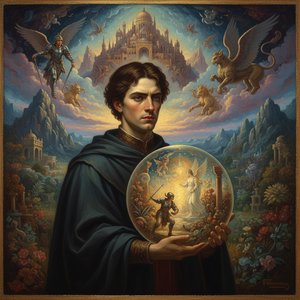
Explore the captivating world of Gustave Moreau, the leading Symbolist painter. Discover his iconic masterpieces, influences, and lasting legacy. Expert analysis for collectors & art enthusiasts.

Explore the rich history of boats in art! Discover symbolism & style from ancient myths to Impressionist masterpieces. Expert insights for collectors at Most-Famous-Paintings.

Explore the captivating art of Nicholas Roerich – a visionary painter whose Himalayan landscapes blend spiritual mysticism with cultural preservation. Discover his legacy & symbolism.

Explore the captivating world of Mikhail Nesterov, a pioneer of Russian Symbolism. Discover his spiritual themes, iconic paintings like 'The Hermit,' and lasting influence on Russian art history. Learn more at Most-Famous-Paintings.

Explore the captivating history of horses in painting! Discover Renaissance masterpieces, Baroque grandeur & expert insights for collecting equestrian art. Learn about symbolism, techniques & lasting value with Most-Famous-Paintings.


Sekite naujausias meno naujienas, išskirtinius pasiūlymus ir dekoravimo idėjas.
Pasakokite mums apie savo projektą, o mūsų meno ekspertai parengs jums 3 asmeniškus meno pasiūlymus.
Leiskite mums parinkti 3 variantus būtent jums – nemokamai!


 Peržiūrėti realybėje
 Pasidalinti
 Dalintis
 Išsamiau

 Atsisiųsti
 Panašūs eksponatai
 Rentgeno nuotrauka
 Automatinė diorama

 Skaityti daugiau







 Stiklo variantas prieinamas tik pasirinkus dydį iki 110 cm


