


x

Rankiniu būdu tapytas aliejus ant droblio jūsų pageidaujamame dydį ir rėmuose – mūsų menininkų darbas pagal užsakymą. ( Pirkti spaudinį Pirkti vaizdą)





























Pasirinkite iš mūsų nustatytų dydžių, atitinkančių originalaus meno kūrinio proporcijas.

Galite įvesti savo matmenis, kad jie atitiktų konkretų rėmą ar erdvę. Jei pasirinktas dydis neatitinka originalaus paveikslėlio proporcijų, mes arba apkropsime meno kūrinį, arba papildysime tapybą rankomis dažytい elementais. Prieš pradėdami gamybą, jūsų patvirtinimui atsiųsime skaitmeninį maketą.
Atkreipkite dėmesį, kad ekrane rodomas vaizdas neatspindi tikrojo apkarpymo ar papildymo. Tik maketas tiksliai parodys galutinę kompoziciją.
Nors galima rinktis ir individualius dydžius, rekomenduojame pasirinkti matmenis iš nustatytos sąrašo, kad būtų išlaikytos originalios proporcijos.
Pristatymas visame pasaulyje () per 3–4 savaites, o ne įprastai – per 5 savaites. (14 rugpjūtis). Kokybė lieka nepakeičiama.


Waiting
Reprodukcijos matmenys
Nicholas Roemerich's "Waiting," painted in 1917, is more than just a depiction of a snowy mountain vista; it’s a profound meditation on human existence, spirituality, and the enduring power of nature. This evocative work, rendered with Roerich’s signature meticulous technique, captures a moment of quiet contemplation amidst a vast, almost overwhelming landscape – a scene that resonates deeply with the artist's lifelong exploration of Eastern philosophy and his fervent belief in the interconnectedness of all things.
"Waiting" was created during a tumultuous period in European history – 1917, a year marked by revolution, war, and profound social upheaval. Roerich, deeply concerned with global peace and spiritual renewal, channeled his anxieties and hopes into his art. The painting can be interpreted as a reflection of the era’s uncertainty, yet simultaneously imbued with a sense of resilience and faith in humanity's capacity for transcendence. The Russian Revolution was underway, and Roerich’s interest in esoteric traditions and his belief in a universal spiritual force offered him solace and a framework for understanding the world’s turmoil.
Roerich frequently incorporated symbolic elements into his work, drawing heavily from Eastern religious and philosophical concepts. The mountain itself represents aspiration, enlightenment, and the connection between earth and heaven. The solitary figure embodies the human spirit's quest for meaning and understanding. The presence of multiple figures suggests a shared journey or pilgrimage – a collective yearning for spiritual truth. Roerich’s work is deeply rooted in his belief that art could serve as a vehicle for promoting peace, harmony, and spiritual awareness.
"Waiting" possesses a remarkable ability to evoke a sense of quiet contemplation and emotional resonance. The vastness of the landscape dwarfs the figure, emphasizing our own vulnerability and insignificance in the face of nature’s grandeur. Yet, there is also a feeling of serenity and hope – a suggestion that even in moments of uncertainty, we can find solace and inspiration in the beauty of the natural world. Roerich's work continues to captivate viewers with its profound symbolism and technical mastery, solidifying his place as one of the 20th century’s most significant artists.


1874 - 1947 , Rusija
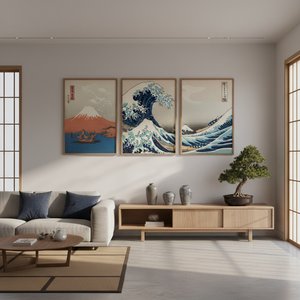
Atraskite 25 įspūdingiausius Katsushika Hokusai kūrinius! Žiūrėkite *Didžiąją bangą*, *Fuji kalną* ir kitus Ukiyo-e stiliaus šedevrus. Meno reprodukcijos jūsų interjerui – Most-Famous-Paintings.com
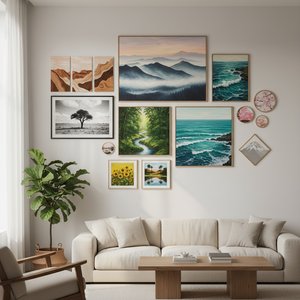
Journey through 10 breathtaking landscape paintings by Monet, Van Gogh & more! Explore iconic artworks, artistic techniques & find inspiration for your home decor. Museum-quality reproductions at Most-Famous-Paintings.com. Discover all masterpieces on Most-Famous-Paintings.com

Atraskite 10 legendinių romantinio peizažo kūrinių! Pasinerkite į Claude Lorrain, Caspar David Friedrich ir J.M.W. Turner genijaus pasaulį. Išmokite apie tapybos meistriškumą bei gamtos grožį. Aukščiausios kokybės meno reprodukcijos – Most-Famous-Paintings.com. Tyrinėkite kolekciją!
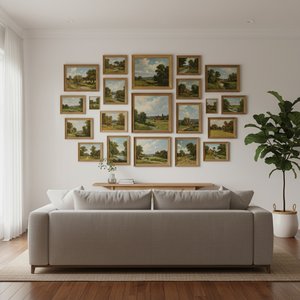
Atraskite 25 įspūdingiausius Džono Konsteblio paveikslus! Romantizmo meistro gamtos vaizdai, Dedham Vale peizažai ir meno istorijos šedevrai. Meno reprodukcijos jūsų interjerui – Most-Famous-Paintings.com

Explore the captivating art of Nicholas Roerich – a visionary painter whose Himalayan landscapes blend spiritual mysticism with cultural preservation. Discover his legacy & symbolism.


Sekite naujausias meno naujienas, išskirtinius pasiūlymus ir dekoravimo idėjas.
Pasakokite mums apie savo projektą, o mūsų meno ekspertai parengs jums 3 asmeniškus meno pasiūlymus.
Leiskite mums parinkti 3 variantus būtent jums – nemokamai!


 Peržiūrėti realybėje
 Pasidalinti
 Dalintis
 Išsamiau

 Atsisiųsti
 Panašūs eksponatai
 Rentgeno nuotrauka
 Automatinė diorama

 Skaityti daugiau







 Stiklo variantas prieinamas tik pasirinkus dydį iki 110 cm


