x

 Oil On CanvasWallArtClassical French Baroque
 1625
1625 57.0 x 128.0 cm
Įsigykite aukštos skiriamosios raiškos, patobulintą skaitmeninį vaizdą, gerokai pranašesnį už internetinę peržiūrą.
Kiekvieną failą mūsų specialistai kruopščiai paruošia naudojant pažangias technologijas ir profesionalų rankinį retušavimą. Užtikriname, kad kiekvienas vaizdas pasižymėtų išskirtiniu aiškumu, tikslia spalvų atspalviu ir smulkiomis detalėmis.
Baigiamas failas el. paštu pristatomas per 72 valandas; jis optimizuotas nedelsiant naudojimui profesionalioje, redakcinėje ir spausdinimo aplinkoje. Tai ta pati kokybė, kuria pasitiki aukščiausios klasės dizaino studijos, leidyklos ir galerijos.
Atsisiųskite didelės raiškos failą asmeniniam naudojimui, spausdinimui ir kūrybiniams projektams. ( Pirkti spaudinį Pirkti rankomis tapytą paveikslą)
Pasirinkę Most-Famous-Paintings.com, jūs ne tik gaunate paveikslėlį – jūs gaunate profesionaliai patobudintą skaitmeninį kūrinį, sukurtą itin tikniai ir užtikrinantį pasitenkinimą. Štai viską, kas automatiškai pritékia jūsų užsakymui:

Jūsų aukštos raiškos skaitmeninis vaizdo failas bus išsiųstas jums el. paštu per 72 valaudas nuo užsakymo – paruoštas naudojimui be jokių papildomų veiksmų.

Jūsų meno kūrinys profesionaliai optimizuojamas naudojant pažangius dirbtinio intelekto įrankius ir rankinį redagavimą, užtikrinant maksimalią detalę, aiškumą ir spalvų tikslumą.

Atsitiktinai ištrytikote ar praradote savo failą? Nebijokite – bet kuriuo metu atsiųsime jį jums vėl nemokamai.

Mėgaukitės savo meno kūriniu akimirka – skaitiniai failai visada yra neapmokestinami, todėl nereikės mokėti muitinės, mokesčių ar pristatymo mokesčių.

Naudodami profesionalią įrangą ir spalvų valdymo sistemas, užtikriname, kad jūsų skaitmeninis vaizdas kuo tiksliau atspindėtų originalias spalvas.

Jei nebuvate patenkinti savo skaitinio vaizdo, per 60 dienų jį pertaisysime arba grąkinsime 100% sumą – be jokių klausimų.

Nepat 만족inti? Gaukite visą sumokėtą sumą per 60 dienų nuo skaitmeninio failo gavimo – be jokių papildomų klausimų.

Pirkti 3 nuotraukas – pasiūla 10% - Pirkti 5 – pasiūla 15% - Pirkti 10 ir daugiau – pasiūla 20%. Puikiai tinka kūrybiniams projektams, galerijoms bei agentūroms.
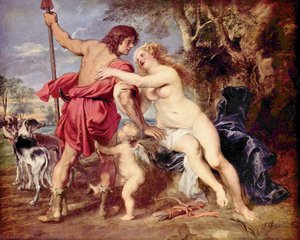
Nicolas Poussin's "Venus Weeping Over Adonis," painted around 1626, is more than just a depiction of a classical myth; it’s a poignant meditation on love, loss, and the cyclical nature of life and death. This masterpiece, currently residing in the Musée des Beaux-Arts de Caen, France, transcends its mythological subject matter to resonate with an enduring emotional power that continues to captivate viewers centuries later. Poussin, deeply influenced by the artistic ideals of antiquity and the Venetian masters he admired, masterfully blended classical composition with a distinctly personal sensibility, creating works that are both intellectually stimulating and profoundly moving.
The scene itself is deceptively simple yet intensely dramatic. Venus, her face etched with grief, kneels beside the lifeless body of Adonis, the young hunter slain by a boar. The setting—a softly lit landscape hinting at dawn or dusk—contributes to the painting’s melancholic atmosphere. Notice the careful attention to detail: the delicate folds of Venus's drapery, the subtle play of light on the water, and the meticulously rendered foliage all speak to Poussin’s technical virtuosity. He employed a technique known as *sfumato*, blurring lines and softening edges to create an ethereal quality, further enhancing the sense of sorrow and transience.
The story depicted is drawn from Ovid's *Metamorphoses*, where Venus, consumed by grief over Adonis’s death, attempts to restore him to life by transforming his blood into anemones—small blue flowers that bloom in the spring. This transformation symbolizes both loss and renewal, a poignant reminder that even in death, beauty and new beginnings can emerge. The presence of the doves, often associated with love and mourning, reinforces this theme. The figure representing the river Adonis, lying prone at the base of the composition, adds another layer of symbolism—a representation of the passage of time and the inevitable decay of all things.
Beyond the immediate narrative, Poussin imbues the scene with broader allegorical meanings. The painting can be interpreted as a meditation on the fleeting nature of beauty and youth, the pain of separation, and the enduring power of love. The contrast between the vibrant colors of Venus’s garments and the muted tones of the landscape further emphasizes this duality—the vibrancy of life juxtaposed against the stillness of death.
Poussin was a staunch devotee of classical art, and his work is characterized by its rigorous adherence to principles of proportion, perspective, and harmony. He meticulously studied ancient sculptures and ruins, seeking to emulate their idealized forms and balanced compositions. His use of *contrapposto*, a technique where the figure’s weight shifts slightly off-center, creates a sense of naturalism and dynamism. The careful arrangement of elements within the composition—the placement of Venus, Adonis, and the surrounding landscape—is designed to create a visually pleasing and intellectually engaging experience for the viewer.
Furthermore, Poussin’s mastery of color is evident in his subtle gradations and delicate blending techniques. He employed a limited palette of earth tones, blues, and reds, creating a sense of depth and atmosphere. The use of light—particularly the soft, diffused glow that illuminates the scene—is particularly effective in conveying the painting's emotional impact. The artist’s ability to capture the fleeting effects of light and shadow is a hallmark of his style.
"Venus Weeping Over Adonis" remains one of Poussin’s most celebrated works, admired for its technical brilliance, emotional depth, and enduring appeal. It's a testament to the artist's ability to transform a classical myth into a profound meditation on the human condition. Today, high-quality reproductions of this iconic painting offer art lovers a chance to experience its beauty and power in their own homes. Most-Famous-Paintings’s meticulously crafted hand-painted reproductions capture the essence of Poussin’s original masterpiece, allowing you to bring this timeless work of art into your space with confidence and authenticity.


1594 - 1665 , Prancūzija


Sekite naujausias meno naujienas, išskirtinius pasiūlymus ir dekoravimo idėjas.
Pasakokite mums apie savo projektą, o mūsų meno ekspertai parengs jums 3 asmeniškus meno pasiūlymus.
Leiskite mums parinkti 3 variantus būtent jums – nemokamai!


 Peržiūrėti realybėje
 Pasidalinti
 Dalintis
 Išsamiau

 Atsisiųsti
 Panašūs eksponatai
 Rentgeno nuotrauka
 Automatinė diorama
 Skaityti daugiau