


x


 Oil On CanvasWallArtSymbolist Movement
 191019th Century
 34.0 x 26.0 cm
Rankiniu būdu tapytas aliejus ant droblio jūsų pageidaujamame dydį ir rėmuose – mūsų menininkų darbas pagal užsakymą. ( Switch to Print Switch to Image)





























Pasirinkite iš mūsų nustatytų dydžių, atitinkančių originalaus meno kūrinio proporcijas.

Galite įvesti savo matmenis, kad jie atitiktų konkretų rėmą ar erdvę. Jei pasirinktas dydis neatitinka originalaus paveikslėlio proporcijų, mes arba apkropsime meno kūrinį, arba papildysime tapybą rankomis dažytい elementais. Prieš pradėdami gamybą, jūsų patvirtinimui atsiųsime skaitmeninį maketą.
Atkreipkite dėmesį, kad ekrane rodomas vaizdas neatspindi tikrojo apkarpymo ar papildymo. Tik maketas tiksliai parodys galutinę kompoziciją.
Nors galima rinktis ir individualius dydžius, rekomenduojame pasirinkti matmenis iš nustatytos sąrašo, kad būtų išlaikytos originalios proporcijos.
Pristatymas visame pasaulyje () per 3–4 savaites, o ne įprastai – per 5 savaites. (29 liepa). Kokybė lieka nepakeičiama.


Centaur with Cello
Reprodukcijos matmenys
In the evocative world of Odilon Redon, reality itself bends to the will of imagination. His 1910 painting, “Centaur with Cello,” is a profound meditation on duality, emotion, and the human condition – a quintessential example of the Symbolist movement’s fascination with exploring inner landscapes through carefully constructed imagery. This artwork transcends mere representation; it's an invitation to contemplate the complex interplay between instinct and intellect, wildness and refinement, all rendered with Redon’s signature mastery.
The centaur – a creature born from Greek mythology – immediately carries a wealth of symbolic weight. Traditionally representing the conflict between reason and passion, nature and civilization, Redon skillfully leverages this inherent tension. The centaur’s posture, with one leg grounded and the other raised in an almost defiant gesture, speaks to this struggle. The cello itself, an instrument capable of producing both soaring melodies and mournful tones, acts as a potent visual metaphor for the very emotions the painting seeks to evoke. Redon doesn't simply depict a mythological figure; he uses it as a vehicle to explore fundamental aspects of human experience.
"Centaur with Cello" is deeply rooted in the Symbolist philosophy of representing absolute truths through symbolic imagery. Redon's work, like that of many Symbolists, taps into the realm of dreams and emotions, offering a glimpse into the subconscious mind. The painting’s ambiguity invites viewers to project their own interpretations onto the scene, fostering a personal connection with the artwork. It is not simply a depiction of a centaur playing a cello; it's an exploration of the human soul – its contradictions, its passions, and its yearning for harmony.


1840 - 1916 , Prancūzija

Atraskite 25 įspūdingiausius Metropoliteno meno muziejaus kūrinius! Claude Monet, van Gogh ir kiti meistrai – paveikslų istorijos, spalvų paletės bei interjero dekoravimo idėjos. Meno reprodukcijos aukščiausia kokybe Most-Famous-Paintings.com

Atraskite 25 įspūdingiausius Džeimso Ebboto Maknilo Vislerio kūrinius! Tonalizmo meistras, noktiurnai ir portretai – meno istorijos šedevrai jūsų interjerui. Pirkti aukštos kokybės reprodukcijas Most-Famous-Paintings.com

Atraskite 25 Nacionalinės galerijos meno perlus! Išsami istorija apie Monet, Picasso ir kitų žymiausių dailininkų kūrinius. Įkvėpimo interjerui ir aukštos kokybės meno reprodukcijos – Most-Famous-Paintings.com
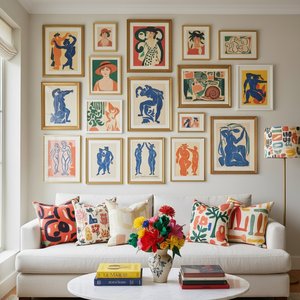
Atraskite 25 įspūdingiausius Henri Matisse šedevrus! Sužinokite apie Fauvizmą, spalvų magiją ir prancūzų dailininko kūrybos istorijas. Meno reprodukcijos jūsų interjerui – Most-Famous-Paintings.com
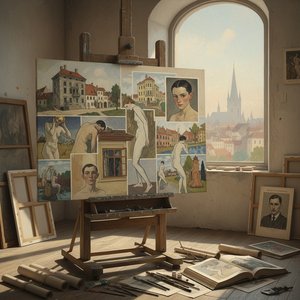
Atraskite 25 įspūdingiausius Egon Schiele šedevrus! Gilinkitės į ekspresionizmo pasaulį, portretų istorijas ir unikalią menininko spalvų paletę. Aukštos kokybės reprodukcijos interjerui – Most-Famous-Paintings.lt


Sekite naujausias meno naujienas, išskirtinius pasiūlymus ir dekoravimo idėjas.
Pasakokite mums apie savo projektą, o mūsų meno ekspertai parengs jums 3 asmeniškus meno pasiūlymus.
Leiskite mums parinkti 3 variantus būtent jums – nemokamai!


 Preview
 Pasidalinti
 Dalintis
 Išsamiau

 Atsisiųsti
 Panašūs eksponatai
 Rentgeno nuotrauka
 Automatinė diorama
 Skaityti daugiau







 Stiklo variantas prieinamas tik pasirinkus dydį iki 110 cm


