


x
 Acrylic On CanvasWallArtSymbolism
 187219th Century
 24.0 x 36.0 cm
Rankiniu būdu tapytas aliejus ant droblio jūsų pageidaujamame dydį ir rėmuose – mūsų menininkų darbas pagal užsakymą. ( Perejti prie spausdinimo Perjungti į vaizdą)





























Pasirinkite iš mūsų nustatytų dydžių, atitinkančių originalaus meno kūrinio proporcijas.

Galite įvesti savo matmenis, kad jie atitiktų konkretų rėmą ar erdvę. Jei pasirinktas dydis neatitinka originalaus paveikslėlio proporcijų, mes arba apkropsime meno kūrinį, arba papildysime tapybą rankomis dažytい elementais. Prieš pradėdami gamybą, jūsų patvirtinimui atsiųsime skaitmeninį maketą.
Atkreipkite dėmesį, kad ekrane rodomas vaizdas neatspindi tikrojo apkarpymo ar papildymo. Tik maketas tiksliai parodys galutinę kompoziciją.
Nors galima rinktis ir individualius dydžius, rekomenduojame pasirinkti matmenis iš nustatytos sąrašo, kad būtų išlaikytos originalios proporcijos.
Pristatymas visame pasaulyje () per 3–4 savaites, o ne įprastai – per 5 savaites. (7 rugpjūtis). Kokybė lieka nepakeičiama.


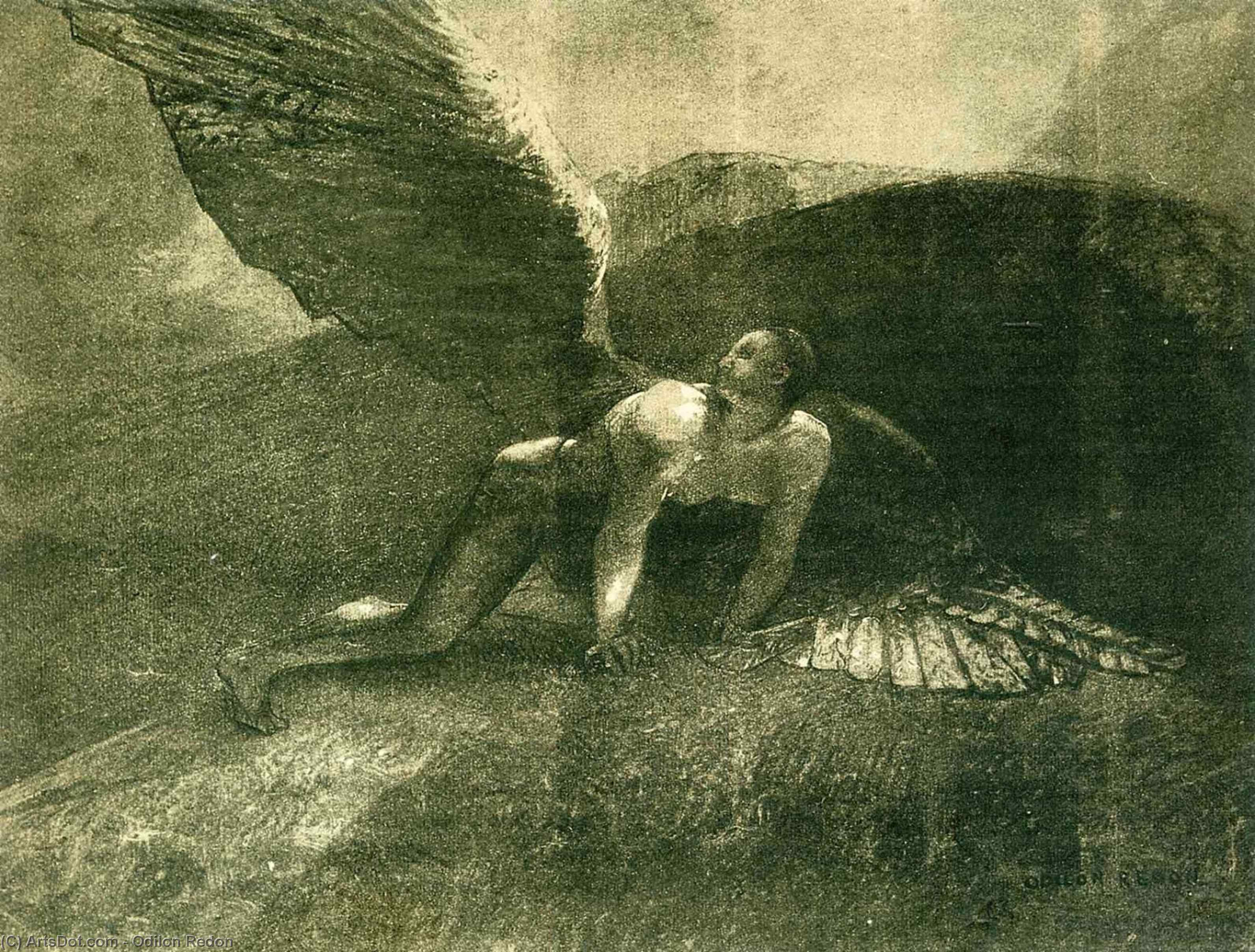
Fallen Angel
Reprodukcijos matmenys
Odilon Redon's "Fallen Angel," created in 1872, is not merely a depiction of a woman with wings; it’s a profound meditation on loss, regret, and the unsettling beauty found within the subconscious. This evocative monochrome image, meticulously captured from the original painting, offers a window into the intensely personal and symbolic world of one of France's most significant Symbolist artists. Redon, born Bertrand-Jean Redon in Bordeaux in 1840, dedicated his life to translating the hidden landscapes of dreams and anxieties onto canvas, rejecting the prevailing academic realism of his time in favor of a deeply subjective visual language.
“Fallen Angel” is saturated with symbolic weight, reflecting Redon's fascination with the darker aspects of human experience. The angel’s pose – lying defeated, vulnerable – speaks to themes of brokenness and spiritual decline. The grassy field, often associated with rebirth and renewal, here becomes a site of stagnation and decay, mirroring the angel’s state. The dress, though elegant in its design, adds another layer of complexity; it suggests a lost dignity, a fallen grace. Redon's work frequently draws upon Romantic and Pre-Raphaelite influences, but he transcends these movements through his intensely personal vision.
Created in 1872, “Fallen Angel” emerged during a period of significant artistic and intellectual ferment in France. The Symbolist movement was gaining momentum, challenging the dominance of Realism and Impressionism with its focus on subjective experience and esoteric themes. Redon's work anticipated many of the key concerns of Symbolism – exploring the hidden realms of consciousness, confronting mortality, and utilizing art as a vehicle for spiritual or emotional expression. His brief military service during the Franco-Prussian War undoubtedly influenced his darker, more introspective artistic direction.
This particular reproduction captures a piece that speaks to the anxieties of a rapidly changing world – a world grappling with industrialization, scientific advancements, and the decline of traditional religious beliefs. Redon’s art offers a poignant response to these uncertainties, inviting viewers to confront their own fears and vulnerabilities.
This hand-painted reproduction of Odilon Redon's “Fallen Angel” (24 x 36 cm, 1872) offers a unique opportunity to acquire a piece of art history. The meticulous detail and evocative atmosphere of the original painting are faithfully reproduced, making it an ideal addition to any discerning collection or interior design scheme. Whether you’re drawn to Redon's haunting beauty or seeking a statement piece that embodies contemplation and mystery, this reproduction is sure to captivate and inspire.


1840 - 1916 , Prancūzija

Explore the profound artistry of black and white photography. From the chemistry of gelatin silver to the chiaroscuro of the Old Masters, discover how monochrome captures the eternal essence of light, form, and emotion for the discerning art collector.


Sekite naujausias meno naujienas, išskirtinius pasiūlymus ir dekoravimo idėjas.
Pasakokite mums apie savo projektą, o mūsų meno ekspertai parengs jums 3 asmeniškus meno pasiūlymus.
Leiskite mums parinkti 3 variantus būtent jums – nemokamai!


 Peržiūrėti realybėje
 Pasidalinti
 Dalintis
 Išsamiau

 Atsisiųsti
 Panašūs eksponatai
 Rentgeno nuotrauka
 Automatinė diorama
 Skaityti daugiau







 Stiklo variantas prieinamas tik pasirinkus dydį iki 110 cm


