


x

Rankiniu būdu tapytas aliejus ant droblio jūsų pageidaujamame dydį ir rėmuose – mūsų menininkų darbas pagal užsakymą. ( Perejti prie spausdinimo Perjungti į vaizdą)





























Pasirinkite iš mūsų nustatytų dydžių, atitinkančių originalaus meno kūrinio proporcijas.

Galite įvesti savo matmenis, kad jie atitiktų konkretų rėmą ar erdvę. Jei pasirinktas dydis neatitinka originalaus paveikslėlio proporcijų, mes arba apkropsime meno kūrinį, arba papildysime tapybą rankomis dažytい elementais. Prieš pradėdami gamybą, jūsų patvirtinimui atsiųsime skaitmeninį maketą.
Atkreipkite dėmesį, kad ekrane rodomas vaizdas neatspindi tikrojo apkarpymo ar papildymo. Tik maketas tiksliai parodys galutinę kompoziciją.
Nors galima rinktis ir individualius dydžius, rekomenduojame pasirinkti matmenis iš nustatytos sąrašo, kad būtų išlaikytos originalios proporcijos.
Pristatymas visame pasaulyje () per 3–4 savaites, o ne įprastai – per 5 savaites. (5 rugpjūtis). Kokybė lieka nepakeičiama.


Ophelia
Reprodukcijos matmenys
Odilon Redon's “Ophelia,” painted in 1903, stands as a haunting testament to the Symbolist movement’s fascination with psychological landscapes and the subconscious. More than just a depiction of Shakespeare’s tragic heroine—a young woman drowning in the Thames after rejecting Hamlet’s affections—the painting delves into realms beyond rational observation, presenting an ethereal vision steeped in melancholic beauty.
The Symbolist movement emerged in France around 1890 as a reaction against Impressionism’s focus on capturing fleeting sensory impressions. Artists like Redon sought to express profound psychological and spiritual truths—often obscured by conscious thought—through evocative imagery and symbolic motifs. Influenced by thinkers such as Nietzsche and Freud, Symbolists explored themes of death, decay, and the subconscious mind, reflecting anxieties about modernity and questioning traditional moral values.
Redon’s masterful use of symbolism elevates “Ophelia” beyond a simple narrative illustration. The scattered flowers—lilacs, poppies, roses—represent beauty intertwined with fragility and impending doom, mirroring Ophelia's own vulnerability as she succumbs to despair. Similarly, the bird perched in the upper right corner symbolizes hope amidst sorrow, albeit a hope tinged with melancholy. Most powerfully, however, is the overarching impression of sadness conveyed through Redon’s muted palette and hazy brushstrokes—a visual embodiment of Ophelia’s inner turmoil.
"Ophelia" doesn't merely depict a scene from Shakespeare; it invites viewers into the protagonist’s tormented psyche. Redon succeeds in capturing the essence of grief and disillusionment, presenting an image that lingers long after viewing—a poignant reminder of the human capacity for profound emotion and the enduring power of art to communicate experiences beyond words.


1840 - 1916 , Prancūzija

Atraskite 25 įspūdingiausius Metropoliteno meno muziejaus kūrinius! Claude Monet, van Gogh ir kiti meistrai – paveikslų istorijos, spalvų paletės bei interjero dekoravimo idėjos. Meno reprodukcijos aukščiausia kokybe Most-Famous-Paintings.com

Atraskite 25 įspūdingiausius Dante Gabriel Rossetti šedevrus! Išsami analizė, meno istorija ir įkvėpimas interjerui. Reprodukcijos aliejumi – prerafaelitų klasika jūsų namams. Explore the full collection online!
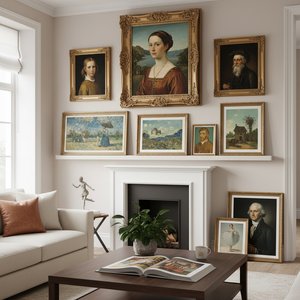
Atraskite 25 Nacionalinės galerijos meno perlus! Išsami istorija apie Monet, Picasso ir kitų žymiausių dailininkų kūrinius. Įkvėpimo interjerui ir aukštos kokybės meno reprodukcijos – Most-Famous-Paintings.com
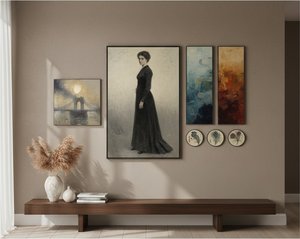
Atraskite 25 įspūdingiausius Džeimso Ebboto Maknilo Vislerio kūrinius! Tonalizmo meistras, noktiurnai ir portretai – meno istorijos šedevrai jūsų interjerui. Pirkti aukštos kokybės reprodukcijas Most-Famous-Paintings.com
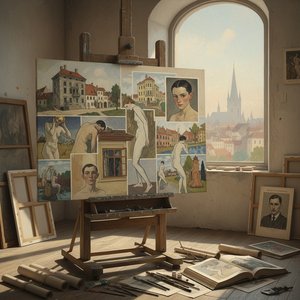
Atraskite 25 įspūdingiausius Egon Schiele šedevrus! Gilinkitės į ekspresionizmo pasaulį, portretų istorijas ir unikalią menininko spalvų paletę. Aukštos kokybės reprodukcijos interjerui – Most-Famous-Paintings.lt


Sekite naujausias meno naujienas, išskirtinius pasiūlymus ir dekoravimo idėjas.
Pasakokite mums apie savo projektą, o mūsų meno ekspertai parengs jums 3 asmeniškus meno pasiūlymus.
Leiskite mums parinkti 3 variantus būtent jums – nemokamai!


 Peržiūrėti realybėje
 Pasidalinti
 Dalintis
 Išsamiau

 Atsisiųsti
 Panašūs eksponatai
 Rentgeno nuotrauka
 Automatinė diorama


 Skaityti daugiau







 Stiklo variantas prieinamas tik pasirinkus dydį iki 110 cm


