


x


 Preview
 Užsisakyti kopiją Pirkti skaitmeninį paveikslą
 Pasidalinti
 Išsamiau
 Pridėti į mėgstamiausius
 Atsisiųsti
 Panašūs eksponatai
 Rentgeno nuotrauka
 Automatinė diorama
 PastelSymbolism
 190519th Century
 73.0 x 90.0 cm
Muziejų lygio „giclée“ arba drobos spausdinimas: greita gamyba ir lankstios apdailos parinktys.





























Pasirinkite iš mūsų nustatytų dydžių, atitinkančių originalaus meno kūrinio proporcijas.

Galite nurodyti savo matmenis, kad vaizdas atitiktų konkretų rėmą ar erdvę. Jei pasirinktas dydis nesutaps su originalaus paveikslėlio proporcijomis, mes arba apkirpsime kūrinį, arba išplėsime vaizdą naudojant veideliu atspindėtą arba vientisą šoną. Skaitmeninis maketas bus išsiųstas jums patvirtinti prieš pradedant gamybą.
Atkreipkite dėmesį, kad ekrane matomas vaizdinys neatspindi tikrojo apkirpimo ar išplėtimo. Tik maketas tiksliai parodytų galutinę kompoziciją.
Nors galima rinktis ir individualius dydžius, rekomenduojame pasirinkti vieną iš išanksti nustatytų matmenų, kad būtų išlaikytos originalios proporcijos.
Pristatymas visame pasaulyje () per 2 weeks, o ne įprastas 4/5 savaičių laikotarpis. (26 liepa)


The Buddha
Reprodukcijos matmenys
To gaze upon Odilon Redon’s pastel masterpiece, "The Buddha," is to step through a veil into a dreamscape painted with the delicate touch of twilight. Created in 1905, this work transcends mere portraiture or still life; it is an immersion into the subconscious, a quiet meditation rendered visible. The central figure, seated serenely against a luminous yellow expanse, exudes an almost palpable sense of profound calm. Redon, forever drawn to the unseen realms of imagination, has captured a moment where spiritual contemplation meets the tangible beauty of everyday objects.
The technique itself is breathtaking. Executed in pastel, the medium allows for an ethereal softness, giving the entire composition a luminous quality that seems to glow from within. This choice of material perfectly complements Redon’s symbolic inclinations. Scattered around the central figure are vibrant oranges, their round forms echoing universal symbols of abundance and life's cycle. Complementing this natural bounty are two apples nestled in the lower left corner—objects imbued with layers of meaning, perhaps hinting at knowledge or temptation. The interplay between the spiritual stillness of the Buddha and the earthly vibrancy of the fruit creates a rich visual dialogue, inviting the viewer to ponder what these disparate elements signify together.
Odilon Redon’s career was marked by a persistent desire to articulate the inner life rather than merely replicate external reality. While many artists of his time were engaged with academic realism, Redon found his voice in the ambiguous, the mysterious, and the deeply personal. "The Buddha" stands as a testament to this lifelong quest. The symbolism here is not didactic; it whispers. It suggests that enlightenment—the state represented by the figure—is not separate from the sensory richness of life itself, but rather interwoven with it, much like the oranges and apples are woven into the composition.
For the collector or designer seeking to infuse a space with intellectual depth and quiet grace, this piece offers unparalleled emotional resonance. A reproduction of "The Buddha" does more than decorate; it transforms an environment into a sanctuary for thought. The soft luminosity of the pastel work catches the light beautifully, adding an immediate layer of sophisticated mystery to any room. It is a focal point that encourages pause, contemplation, and a gentle reconnection with the poetry found in everyday existence.


1840 - 1916 , Prancūzija

Atraskite 25 įspūdingiausius Metropoliteno meno muziejaus kūrinius! Claude Monet, van Gogh ir kiti meistrai – paveikslų istorijos, spalvų paletės bei interjero dekoravimo idėjos. Meno reprodukcijos aukščiausia kokybe Most-Famous-Paintings.com

Atraskite 25 įspūdingiausius Dante Gabriel Rossetti šedevrus! Išsami analizė, meno istorija ir įkvėpimas interjerui. Reprodukcijos aliejumi – prerafaelitų klasika jūsų namams. Explore the full collection online!
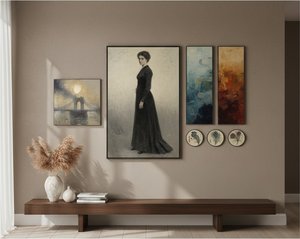
Atraskite 25 įspūdingiausius Džeimso Ebboto Maknilo Vislerio kūrinius! Tonalizmo meistras, noktiurnai ir portretai – meno istorijos šedevrai jūsų interjerui. Pirkti aukštos kokybės reprodukcijas Most-Famous-Paintings.com
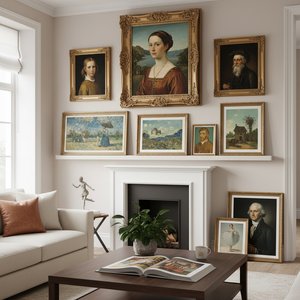
Atraskite 25 Nacionalinės galerijos meno perlus! Išsami istorija apie Monet, Picasso ir kitų žymiausių dailininkų kūrinius. Įkvėpimo interjerui ir aukštos kokybės meno reprodukcijos – Most-Famous-Paintings.com
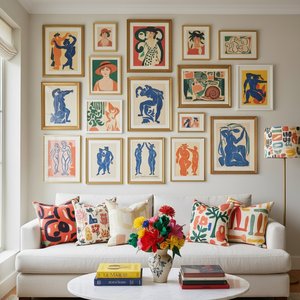
Atraskite 25 įspūdingiausius Henri Matisse šedevrus! Sužinokite apie Fauvizmą, spalvų magiją ir prancūzų dailininko kūrybos istorijas. Meno reprodukcijos jūsų interjerui – Most-Famous-Paintings.com


Sekite naujausias meno naujienas, išskirtinius pasiūlymus ir dekoravimo idėjas.
Pasakokite mums apie savo projektą, o mūsų meno ekspertai parengs jums 3 asmeniškus meno pasiūlymus.
Leiskite mums parinkti 3 variantus būtent jums – nemokamai!


 Dalintis

 Skaityti daugiau







 Stiklo variantas prieinamas tik pasirinkus dydį iki 110 cm


